
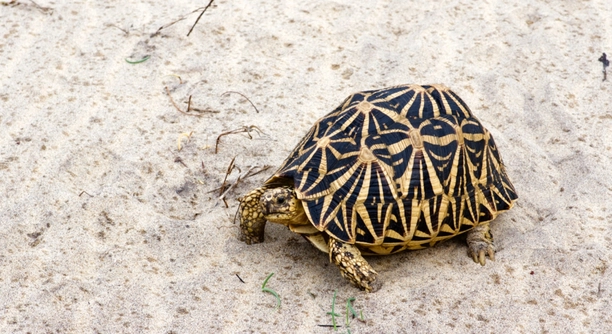
The Indian star tortoise is a fascinating and popular species, often admired for its striking shell. However, misconceptions about its lifespan abound. It’s important to separate fact from fiction to ensure proper care for these reptiles.
Contrary to common myths, the lifespan of an Indian star tortoise is influenced by several factors, including diet, habitat, and overall care. While they can live for several decades in the wild, they may live longer in well-maintained environments with proper health management.
Understanding these myths and the truth behind them can help you provide the best care for these tortoises, ensuring they thrive for years to come.
Myth 1: Indian Star Tortoises Can Live for 100 Years
One of the most common myths surrounding the Indian star tortoise is that they can live for 100 years or more. While it’s true that these tortoises are long-lived, the lifespan varies depending on their care and environment. In the wild, their life expectancy tends to be around 50 to 60 years. However, with proper care in captivity, they can live up to 80 years or more. The misconception that they live well beyond this age likely stems from reports of older tortoises being kept in ideal conditions. However, this is not the case for every individual.
Their health is directly impacted by diet, habitat, and care. Factors like exposure to sunlight, a balanced diet, and the absence of predators or stress can help them reach the upper limits of their lifespan. While rare, there have been reports of tortoises living into their 90s, but this is exceptional, not the norm.
The key to a long life for these tortoises lies in providing them with the right living environment. Without proper care, their lifespan will significantly shorten.
Myth 2: All Indian Star Tortoises Have the Same Lifespan
Not all Indian star tortoises are destined to live the same length of time. The lifespan is greatly influenced by genetics, environment, and care. Just like any other species, some individuals may be more resilient to health issues, while others may face challenges early in life. It’s essential to monitor their well-being closely.
Over time, providing the right care will allow your tortoise to thrive and potentially live a longer, healthier life. Proper attention to habitat, diet, and health checks will make a big difference.
Myth 3: Indian Star Tortoises Are Low-Maintenance Pets
While Indian star tortoises are often considered low-maintenance, they still require specific care to thrive. They need a controlled environment with the right temperature, humidity, and lighting. Without these conditions, their health can deteriorate quickly. Proper housing and a balanced diet are essential for their well-being.
These tortoises also require a varied diet that includes greens, fruits, and occasional protein sources. It’s essential to create an outdoor enclosure or a spacious indoor setup that mimics their natural habitat. Regular cleaning and maintaining proper humidity levels are necessary to prevent shell rot and other diseases.
Without the proper care, even a species known for being hardy can face health problems, leading to a shortened lifespan. Keeping them in optimal conditions will give them the best chance for a long, healthy life.
Myth 4: Indian Star Tortoises Need Only Water for Hydration
Hydration is important for these tortoises, but it’s not just about providing water. A well-balanced diet with high moisture content is essential. While they can drink water, their primary hydration often comes from fresh vegetables and fruits. You can add water to their food to help keep them hydrated.
Without this proper balance, your tortoise may suffer from dehydration, leading to health issues such as kidney problems or difficulty shedding its skin. Monitoring your tortoise’s water intake and ensuring they have access to hydration from their food is a critical aspect of their care.
A hydration-focused diet, combined with regular soaking in shallow water, helps prevent dehydration. Be mindful that the right balance of water and food keeps their body functioning well.
Myth 5: Indian Star Tortoises Don’t Need UVB Lighting
UVB lighting is crucial for the health of Indian star tortoises. Without it, they may suffer from metabolic bone disease and other health issues. UVB light helps them process calcium properly and supports their immune system. This is why providing proper lighting is essential.
Even though they are native to sunny areas, keeping them indoors without adequate UVB lighting can have harmful effects. It’s important to use high-quality UVB bulbs to recreate their natural sunlight exposure. These should be replaced regularly, as the strength of the UVB light diminishes over time.
The proper UVB lighting will help your tortoise absorb calcium, preventing bone and shell deformities. Without it, their health will decline.
Myth 6: Indian Star Tortoises Can Be Kept in Small Cages
Indian star tortoises need plenty of space to roam. A small cage can restrict their movement and lead to stress. A larger, more naturalistic habitat allows them to get the exercise they need, which is important for their physical and mental health.
When creating their habitat, it’s essential to focus on providing space for exploration. Outdoor enclosures are ideal, but even indoor setups should allow for adequate space to move freely. A cramped living space will lead to a lack of exercise, which could cause obesity and other health problems.
Their environment should mimic their natural habitat as much as possible. This includes providing hiding spots and areas where they can bask in the warmth, as well as space to move about.
FAQ
How long can Indian star tortoises live?
Indian star tortoises can live for 50 to 80 years, depending on their environment and care. In the wild, their lifespan is typically around 50 to 60 years, while those kept in captivity with proper care can live longer. Ensuring a balanced diet, appropriate habitat, and regular health checkups will maximize their lifespan. However, it’s important to know that not every tortoise will reach these upper limits, as genetics and environmental factors play a significant role in their longevity.
Do Indian star tortoises need a special diet?
Yes, their diet is crucial to their health and well-being. Indian star tortoises are herbivores, so they require a variety of fresh vegetables, leafy greens, and some fruits. Some protein sources can be included occasionally, but the majority of their diet should consist of fiber-rich plants like dandelion greens, clover, and hibiscus flowers. A well-balanced diet helps support their digestive system and overall health. Additionally, calcium-rich foods like calcium-fortified greens are essential for maintaining their shell and bone strength. Offering a wide variety of foods also prevents nutritional deficiencies.
Can Indian star tortoises be kept with other pets?
Indian star tortoises are generally solitary creatures. While they can tolerate the presence of other animals in the same household, it’s best not to house them with other pets, especially those that might stress them out or pose a threat. If you plan to keep multiple tortoises, they should have ample space to prevent territorial conflicts. When introducing new animals to their environment, it’s essential to ensure that both species are compatible and will not cause harm to one another.
What type of habitat do Indian star tortoises need?
Indian star tortoises require a large, secure habitat that mimics their natural environment. A spacious enclosure with access to sunlight, warm temperatures, and hiding spots is essential. If kept indoors, UVB lighting should be provided to mimic natural sunlight. A humidity-controlled environment is also necessary, as they require moderate humidity to stay healthy. If housed outdoors, the enclosure should be escape-proof, and areas for basking and hiding should be incorporated. The flooring should consist of soft, natural materials like soil or sand, which are gentle on their shells and legs.
How often should Indian star tortoises be fed?
Feeding schedules should be consistent to keep your tortoise healthy. Most adult Indian star tortoises should be fed every other day, while younger tortoises may require daily feedings. You can offer a mix of fresh vegetables, greens, and fruits, ensuring they have access to fresh water at all times. Avoid overfeeding, as obesity can lead to health problems. It’s best to feed them in the morning, giving them time to digest before nighttime. A varied diet is important to ensure they receive all necessary nutrients.
How much space do Indian star tortoises need?
Indian star tortoises need ample space to move around freely. In captivity, a minimum enclosure size of 4×4 feet for one adult tortoise is recommended, though larger is always better. An outdoor enclosure is ideal, but if indoors, a large vivarium or tortoise table with plenty of room to roam, bask, and hide is essential. Tortoises require room for exercise and exploration, as being confined to a small space can lead to stress, obesity, and other health issues. Always ensure the enclosure is escape-proof, especially if it is outdoors.
Do Indian star tortoises need companionship?
Indian star tortoises are solitary animals, and while they can tolerate the presence of others, they don’t require companionship. In fact, some tortoises may become territorial, especially during mating season. When housed together, it’s important to provide enough space for each tortoise to have its own area. Overcrowding can lead to stress, aggression, and fights. If you’re keeping multiple tortoises, make sure the environment is large enough for them to coexist peacefully without competing for food or space.
What temperatures do Indian star tortoises need?
Indian star tortoises thrive in temperatures ranging from 75°F to 95°F during the day. It’s important to have a warm basking spot with temperatures around 90°F, while the rest of the enclosure can be slightly cooler. At night, temperatures should drop to around 70°F. The temperature should be maintained with heating lamps or ceramic heaters, depending on your enclosure setup. If your tortoise is kept outdoors, make sure it has access to shade and shelter from extreme weather conditions.
Can Indian star tortoises be housed outdoors?
Yes, Indian star tortoises can be housed outdoors, but it’s essential to ensure that their outdoor enclosure is secure and safe. The area should have natural features such as rocks, plants, and soil for digging, along with a shaded area to escape the sun. The enclosure should be escape-proof, as these tortoises are good climbers and can easily find ways out. The temperature and humidity in the outdoor environment should be monitored to ensure they remain within the optimal range for the tortoise’s health.
How do I keep my Indian star tortoise healthy?
Maintaining the health of your Indian star tortoise requires a combination of proper diet, habitat, and regular health checks. Provide a varied diet of fresh greens, vegetables, and occasional fruits, along with UVB lighting to promote calcium absorption. Ensure their enclosure is spacious, secure, and provides both heat and humidity levels that mimic their natural environment. Regularly check for signs of shell rot, respiratory issues, or other ailments. Additionally, regular soaking and clean water are essential to prevent dehydration and encourage proper digestion.
Final Thoughts
Caring for an Indian star tortoise requires a commitment to providing the proper environment, diet, and regular health check-ups. By offering a space that mimics their natural habitat, along with consistent access to the right foods and UVB lighting, you can help your tortoise live a long, healthy life. Understanding their unique needs is key to ensuring their well-being. From proper diet to temperature regulation, each aspect of their care plays an important role in their overall health and happiness.
It’s important to remember that Indian star tortoises can live for many decades, so adopting one is a long-term commitment. Their lifespan of 50 to 80 years means you will need to provide care throughout their entire life, which can span across generations. Planning ahead for their needs, such as a spacious habitat and a balanced diet, will help you avoid common pitfalls that may arise in the future. Keeping your tortoise stress-free with a safe, secure environment will also promote their health and longevity.
By debunking common myths surrounding the Indian star tortoise, we hope to provide clarity on how to care for these fascinating creatures. With the right information and resources, you can ensure your tortoise thrives for many years. Whether you are a first-time owner or experienced, understanding the facts about their care will make a positive difference in your relationship with your tortoise. Taking the time to meet their needs is not only rewarding but also helps to ensure their quality of life in your care.

Hello,
If you enjoy the content that we create, please consider saying a "Thank You!" by leaving a tip.
Every little bit helps us continue crafting quality advice that supports the health, happiness, and well-being of pets around the world, for pets of all shapes, sizes, and species.
We really appreciate the kindness and support that you show us!