
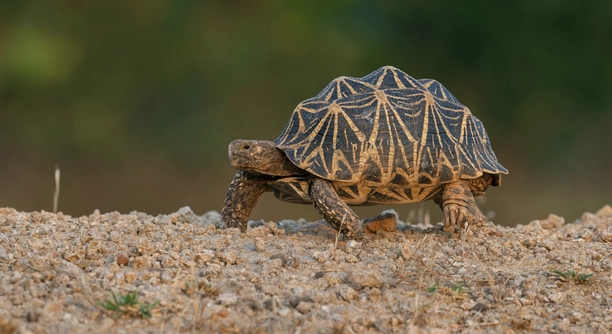
Introducing Indian Star Tortoises to other tortoises can be a delicate process. It’s important to approach it thoughtfully to ensure the health and safety of all involved. There are steps you can take to make the introduction smooth.
The best way to introduce Indian Star Tortoises to others is by ensuring a gradual, controlled process. Begin by placing them in separate enclosures within sight of each other. Over time, let them interact in neutral, supervised spaces to reduce territorial behaviors.
With the right approach, you can help your tortoises build positive relationships. The following tips will guide you through creating safe and successful introductions.
Preparing the Environment for Safe Interactions
Creating a neutral, safe space for your Indian Star Tortoises to meet other tortoises is essential. You want to ensure there are no territorial disputes, so begin by using separate enclosures. Placing them next to each other for a few days allows them to get used to each other’s presence without direct interaction. This step is crucial in preventing stress and aggression.
Gradually, increase their time in the same space while monitoring their reactions. A neutral space should have no established boundaries that one tortoise might defend. The key here is patience—both tortoises will need time to adjust.
During this process, ensure each tortoise has its own space to retreat to. Having hiding spots and multiple basking areas will help reduce stress levels, making the introduction smoother. If one tortoise appears too stressed or aggressive, return to separate enclosures and try again later.
Introducing with Caution
While having separate spaces is important, it’s equally vital to monitor their interactions closely.
Keep a watchful eye during the initial meetings. Even if the tortoises seem calm, some signs of aggression can still occur. If any physical fights arise, separate them immediately and try again later. It’s important not to rush their progress.
Keep a Close Eye on Body Language
Observe the tortoises’ body language during interactions. Signs like tail wagging, hissing, or raised heads can indicate aggression or discomfort. It’s crucial to stop the introduction if these behaviors appear. Monitoring closely will allow you to intervene before things escalate.
Aggression often occurs when one tortoise feels threatened or dominant over the other. If you notice these signs, it’s best to separate them and try again later. A slow and careful approach is key to helping them adjust. Avoid forcing them together if one is visibly stressed.
Once they’ve shown signs of peace or curiosity without aggression, that’s a good indication they may be ready for more interaction. Keep in mind that every tortoise is different, and some may take longer to adjust than others. The goal is to ensure they feel secure and comfortable.
Allow Time for Adjustment
Time is a key factor in ensuring a successful introduction. Some tortoises will take longer than others to adjust to new companions, so don’t rush the process.
Give them space to move freely but ensure they have access to their usual habitats and hiding places. If one tortoise becomes overwhelmed, allow them to retreat to a place where they feel safe. Sometimes, extended periods of interaction are needed for them to get used to each other. It’s important not to be discouraged if they don’t immediately accept each other.
Provide Plenty of Space
Giving your tortoises enough space is crucial to avoid territorial issues. A cramped environment can cause stress and lead to aggression. Make sure each tortoise has room to move around freely and establish its own territory.
Adding extra space allows them to interact naturally without feeling cornered. It’s important that the space doesn’t just have room to roam but also provides areas where they can retreat. This helps reduce potential conflicts and allows each tortoise to feel secure.
Keep Separate Feeding Areas
Provide separate feeding areas to prevent competition. When tortoises are fed in close proximity, it may trigger territorial behavior or aggression over food.
Setting up separate feeding zones allows each tortoise to enjoy its meal without feeling threatened. This gives them time to eat in peace while still getting used to each other’s presence. Over time, you can slowly begin to offer food in the same space as they become more comfortable.
FAQ
How long should I wait before introducing my Indian Star Tortoise to another tortoise?
Patience is essential. It’s best to wait until both tortoises are well-established in their respective environments. A few weeks to a month is usually a good timeframe, depending on how comfortable the tortoises are in their spaces. However, it can vary depending on their individual personalities and comfort levels.
What signs should I look for to know if the introduction is going well?
Signs of a successful introduction include calm, non-aggressive behavior. Tortoises might show curiosity by moving toward each other, sniffing, or even sitting near one another without any signs of stress or aggression. If you notice that one tortoise is avoiding the other or showing signs of fear, it may not be the right time for interaction yet.
What should I do if one tortoise gets too aggressive during the introduction?
If aggression occurs, separate the tortoises immediately. It’s important not to force them together. Allow them time to calm down and try again after a few days or even weeks. Slow, gradual introductions are best, and sometimes it may take longer for them to adjust.
Can I introduce more than one tortoise to my Indian Star Tortoise?
Yes, you can introduce more than one tortoise, but be cautious. Introduce each tortoise one at a time, especially if they have not interacted before. Adding too many new tortoises at once can increase the chances of aggression. A controlled, slow introduction process is key.
How do I know if my tortoises are stressed during the introduction?
Signs of stress include pacing, hiding, loss of appetite, and excessive vocalizations like hissing. If your tortoise shows these signs, it’s best to separate them and try again later. Monitoring their behavior closely will give you insight into how comfortable they are.
What is the best way to reduce territorial aggression between tortoises?
The best way to reduce territorial aggression is by introducing them in a neutral space, away from each tortoise’s established home. Allow them to interact without the pressure of defending their territory. Also, providing plenty of space and hiding spots can ease any territorial stress.
How can I make sure both tortoises are getting enough food during the introduction process?
Separate feeding zones are essential during the introduction process. Each tortoise should have its own space to eat without interference. This ensures both tortoises have access to food and helps prevent aggression or territorial disputes over resources.
Should I be concerned if my tortoises are not interacting immediately?
No, it’s normal for tortoises to take their time adjusting to each other. They may observe one another from a distance before feeling comfortable enough to interact. Allow them the time they need, and don’t force interactions. Over time, they’ll likely become more comfortable with each other.
Can I leave my tortoises alone together once they’re introduced?
It’s not advisable to leave them unsupervised during the initial interactions. Even after signs of peace, keep an eye on them to ensure no aggressive behavior emerges. Once you’re confident they’re comfortable and getting along, you can leave them together for short periods, but always monitor their behavior.
Are there any specific health concerns to watch for when introducing tortoises?
Health concerns include potential injuries from fights or stress-related issues like loss of appetite or changes in behavior. Make sure both tortoises are healthy before introducing them. Regular vet checkups and a stable environment are crucial for reducing risks. If you notice any injuries or sudden behavioral changes, consult a vet immediately.
How long does it usually take for tortoises to accept each other?
It can take anywhere from a few days to several weeks for tortoises to accept each other. Some tortoises may bond quickly, while others may take much longer. It’s important to be patient and not rush the process. Allow them to take the time they need to adjust.
Final Thoughts
Introducing an Indian Star Tortoise to other tortoises requires patience and careful observation. While it can be an exciting process, it’s important to understand that tortoises are territorial creatures, and their comfort should always be a priority. Rushing the introduction or forcing interactions can lead to stress or even injury. By creating a neutral environment and allowing them time to adjust, you help them feel secure. A slow and methodical approach is key, as each tortoise may respond differently.
Remember that every tortoise has its own personality and level of comfort when meeting new companions. Some may adapt quickly, while others need more time to adjust. Be prepared for this and avoid setting expectations based on how quickly you want the process to go. If aggression or stress signs appear, it’s crucial to separate them and try again after some time. Each new introduction is a learning process for both you and the tortoises, and flexibility is important.
By paying attention to body language, providing plenty of space, and ensuring separate feeding areas, you’ll give your tortoises the best chance at building a peaceful relationship. Don’t forget that their well-being is your main focus. Over time, with patience and careful monitoring, the tortoises will likely grow more comfortable with each other, and interactions can become more relaxed. However, be prepared for slow progress, and always be ready to adjust your approach as needed.

Hello,
If you enjoy the content that we create, please consider saying a "Thank You!" by leaving a tip.
Every little bit helps us continue crafting quality advice that supports the health, happiness, and well-being of pets around the world, for pets of all shapes, sizes, and species.
We really appreciate the kindness and support that you show us!