
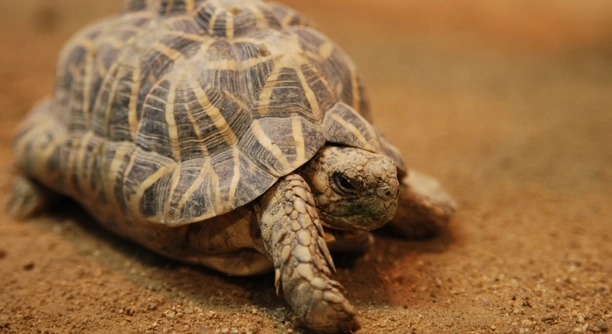
Indian star tortoises are delicate reptiles that require careful monitoring of their hydration levels. While they need water to thrive, overhydration can be harmful. Understanding the signs of overhydration is important for their well-being.
Overhydration in Indian star tortoises is often caused by excessive water intake or inadequate drainage in their habitat. Symptoms can include swelling, lethargy, and abnormal behavior. By recognizing these signs early, you can take steps to correct the issue and prevent further health concerns.
Knowing the warning signs of overhydration can help ensure your tortoise remains healthy and comfortable. We will cover the key indicators to watch for in your pet’s behavior.
How Overhydration Affects Your Indian Star Tortoise
Overhydration can disrupt the delicate balance of your tortoise’s health. When an Indian star tortoise consumes too much water or doesn’t have a proper environment to expel excess moisture, it can lead to issues like swelling, difficulty moving, and decreased appetite. These signs are subtle at first, but the effects can be serious if not addressed quickly.
Proper habitat conditions are crucial for maintaining a healthy hydration level. Ensure your tortoise’s enclosure is equipped with a shallow water dish and proper drainage. Avoid leaving stagnant water in the enclosure, as this may cause them to drink excessively. You also want to monitor their behavior carefully. If they seem lethargic, this could be a sign of overhydration.
In some cases, overhydration can lead to kidney problems or digestive issues. This can cause discomfort, making it difficult for your tortoise to eat, sleep, or move around normally. The extra water can also increase the risk of bacterial infections, leading to more severe health problems. If you notice abnormal behavior, it’s important to adjust their environment and consult with a vet to avoid further complications.
How to Fix Overhydration in Your Indian Star Tortoise
If you suspect your tortoise is overhydrated, the first step is adjusting the water setup in their enclosure. Reducing the water supply and changing it regularly can prevent further hydration issues.
Ensuring your tortoise has access to clean, fresh water in a shallow dish is key. Overhydration is not a quick fix, and you may need to gradually reduce the amount of water available while monitoring your pet’s health. Adjust the humidity levels in the enclosure to prevent excessive moisture. It’s important to dry out their habitat, as humidity can contribute to overhydration. Make sure your tortoise has a suitable area with dry substrate where it can retreat.
If your tortoise shows signs of dehydration or worsening overhydration, it may need immediate veterinary attention. A veterinarian will be able to assess the situation and provide specific care, whether through fluids or other treatments. Regular monitoring and proper care will help you keep your tortoise healthy and safe.
Common Signs of Overhydration in Indian Star Tortoises
Swelling in the limbs and body is one of the first signs of overhydration. This can make your tortoise appear bloated and may affect its movement. You might also notice a decrease in activity levels or lethargy, as the excess water interferes with its natural behavior.
Overhydration can make the skin of your tortoise appear soft and loose. When your tortoise is overly hydrated, the skin may feel spongy to the touch, rather than firm. If the tortoise is moving less than usual or seems disoriented, it might be struggling to regulate its internal balance. Keep an eye on these subtle shifts in behavior.
The most obvious sign of overhydration is excessive water consumption. If your tortoise is drinking more water than usual or spending extended periods near the water dish, it could be an indication that something is off. Decreased appetite or refusal to eat is another key sign that something’s wrong with their hydration levels.
How to Prevent Overhydration in Your Indian Star Tortoise
Maintaining a stable and dry environment for your tortoise can help prevent overhydration. Ensure that the humidity levels in the enclosure are moderate and not too high. You can control humidity by adjusting the substrate and ventilation.
The water bowl should be shallow enough for your tortoise to drink from without soaking itself. Clean and change the water frequently to prevent bacteria from growing. Avoid large or deep water dishes that can lead to unnecessary soaking. By keeping the water accessible but not excessive, you help keep hydration levels in check.
Monitoring your tortoise’s hydration closely is also important. While occasional soaking is normal for some species, Indian star tortoises should be given access to water in a controlled way. Regular checks on their behavior, as well as their physical condition, can help prevent overhydration from occurring. Keep the environment stable and observe any changes in their behavior.
The Role of Temperature in Hydration Levels
Temperature plays a significant role in how your tortoise manages its hydration. If the enclosure is too warm, your tortoise may drink more water to stay cool. On the other hand, low temperatures can make it harder for them to process excess moisture.
A warm environment encourages your tortoise to drink more water, which can lead to overhydration if not carefully monitored. The ideal temperature range for an Indian star tortoise is between 75-85°F. Keeping it within this range will help regulate their hydration needs without causing them to overconsume water.
Checking for Overhydration Using the Skin Test
A simple way to check for overhydration is by lightly pinching the skin of your tortoise. If the skin doesn’t quickly return to its normal position, it’s an indicator that your tortoise may be retaining too much moisture.
This skin test is an easy, non-invasive method to gauge hydration. It gives you an immediate understanding of your tortoise’s hydration status. If the skin stays pinched or doesn’t bounce back, it may be time to adjust the water setup and environment to ensure your tortoise’s health.
The Importance of Proper Drainage
Having proper drainage in your tortoise’s habitat can make a big difference in preventing overhydration. Without drainage, excess moisture from water bowls or humidity will build up, leaving the environment overly damp and contributing to potential health issues.
By adding proper drainage to the substrate, you ensure that moisture is able to escape and not accumulate. This keeps your tortoise’s environment dry enough to avoid excessive hydration. Make sure any water sources are placed in a way that prevents standing water, allowing the substrate to stay drier and reducing the risk of overhydration.
FAQ
How much water should an Indian Star Tortoise drink each day?
An Indian star tortoise should drink only a moderate amount of water each day. They don’t need constant access to a water dish, but they should have a shallow bowl with fresh water available at all times. It’s important to monitor their water intake. If they drink excessively or seem to be soaking in their water dish, this may indicate an issue with overhydration. Adjusting their water supply can help maintain a healthy balance.
What are the long-term effects of overhydration on an Indian Star Tortoise?
Overhydration can lead to long-term health issues like kidney problems or difficulty with digestion. The extra moisture can cause swelling and discomfort, affecting your tortoise’s ability to move and eat. Over time, excessive water intake can also weaken their immune system, making them more susceptible to infections. If left unaddressed, these issues can significantly affect their quality of life. It’s important to take early steps to avoid long-term consequences by monitoring their hydration.
Can overhydration cause shell problems in Indian Star Tortoises?
Yes, overhydration can affect the shell of your tortoise. Prolonged exposure to excessive moisture can soften their shell, making it more vulnerable to damage and infections. A healthy, well-hydrated tortoise should have a firm, strong shell. If you notice any signs of softness or discoloration, it may be an indication that their hydration levels are off balance. This should be addressed immediately to prevent further complications.
How do I prevent my tortoise from drinking too much water?
Preventing excessive water consumption involves adjusting both their environment and water availability. Make sure the water dish is shallow enough that they can drink without soaking themselves. Don’t leave standing water in the enclosure, as it may encourage unnecessary drinking. By monitoring both their behavior and their water access, you can ensure they’re not overhydrated.
What should I do if my tortoise is showing signs of overhydration?
If your tortoise shows signs of overhydration, it’s important to take immediate action. Reduce the water availability and make sure the enclosure is dry enough to allow them to expel the excess moisture. You may need to adjust humidity levels to ensure they’re not in a constantly damp environment. In severe cases, consult a veterinarian to assess their health and provide further treatment.
Is it necessary to provide water for soaking to an Indian Star Tortoise?
Soaking isn’t mandatory for every tortoise, but it can be beneficial for hydration. You can offer occasional soaks in a shallow dish of lukewarm water, ensuring that the water level does not cover their head. If your tortoise seems to drink too much or too little on its own, soaking can be an alternative way to provide hydration without risk of overhydration. Just ensure it’s done in moderation.
Can overhydration lead to a loss of appetite in Indian Star Tortoises?
Yes, overhydration can cause a tortoise to lose its appetite. The excess moisture can make your tortoise feel uncomfortable, leading to reduced feeding or refusal to eat altogether. If you notice a loss of appetite along with other signs of overhydration, adjusting the water supply and overall environment is essential. You may also want to consult a veterinarian if the problem persists.
How can I tell if my tortoise is dehydrated or overhydrated?
Dehydration and overhydration can both show similar signs, such as a lack of energy or abnormal behavior. However, in the case of overhydration, the most noticeable symptom is swelling, particularly in the limbs or body. The skin may appear soft and spongy, and the tortoise may drink excessively. In contrast, dehydration typically leads to dry, sunken skin and reduced activity. Conducting a skin pinch test can help you identify the difference. If in doubt, it’s always a good idea to consult a vet.
What type of water dish is best for an Indian Star Tortoise?
A shallow, sturdy water dish is best for an Indian star tortoise. It should be deep enough for them to drink from but not deep enough to cause them to soak in the water. A dish with a low rim allows easy access without excessive drinking. The dish should be cleaned regularly to prevent bacteria from growing. Avoid using water dishes that are too large, as they may encourage excessive soaking and lead to overhydration.
How do I adjust the humidity in my tortoise’s enclosure to avoid overhydration?
Humidity plays a major role in hydration levels, and adjusting it is key to preventing overhydration. The ideal humidity for an Indian star tortoise is around 50-60%. You can control the humidity by adjusting the moisture in the substrate and ensuring proper ventilation. A hygrometer can be used to monitor humidity levels, and misting the enclosure lightly can help regulate moisture if the air is too dry. Ensure there’s always a balance to avoid creating an overly damp environment.
Final Thoughts
Keeping an Indian Star Tortoise healthy involves careful attention to their hydration needs. Overhydration can be a serious concern, affecting their overall well-being and causing various health issues. It is important to regularly monitor their water intake, ensure proper environmental conditions, and make adjustments when necessary to avoid any negative effects of overhydration. The key to maintaining a balanced hydration level is providing clean water in a shallow dish and controlling the temperature and humidity within their habitat. This helps prevent excessive drinking and ensures that the tortoise remains comfortable.
Being aware of the signs of overhydration, such as swelling, skin changes, and unusual behavior, is crucial in maintaining your tortoise’s health. If any of these symptoms appear, it’s important to address them quickly by adjusting the environment or water access. Providing opportunities for your tortoise to hydrate through controlled soaking or occasional water changes can help keep them healthy without risking overhydration. Additionally, adjusting the temperature and humidity in the enclosure can significantly impact how much water your tortoise needs to drink, which is why it’s so important to create a proper habitat for them.
By staying proactive and attentive, you can prevent overhydration and other related health problems. As a pet owner, it’s your responsibility to monitor their environment and ensure their hydration is in balance. Regular check-ups, both with their habitat and their health, will give you the best chance at a long and healthy life for your Indian Star Tortoise. With proper care, you can enjoy watching your tortoise thrive in its environment, while avoiding the issues that come from overhydration.

Hello,
If you enjoy the content that we create, please consider saying a "Thank You!" by leaving a tip.
Every little bit helps us continue crafting quality advice that supports the health, happiness, and well-being of pets around the world, for pets of all shapes, sizes, and species.
We really appreciate the kindness and support that you show us!