
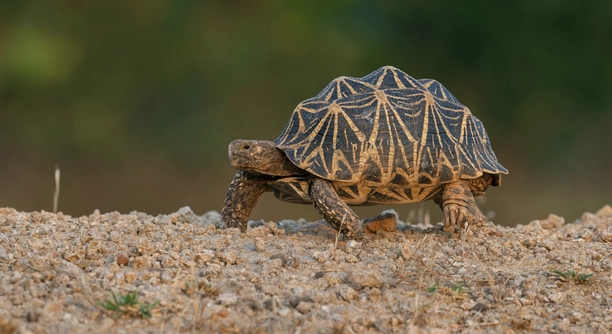
Is your Indian star tortoise experiencing its first winter? Cold temperatures can be challenging for this species, making proper preparation essential to keep your pet healthy and comfortable during the colder months.
The best way to prepare an Indian star tortoise for its first winter is by maintaining a stable, warm environment. Use heat lamps, proper substrate, and controlled humidity to ensure your tortoise remains safe, active, and free from health issues caused by cold exposure.
Understanding temperature control, enclosure setup, and dietary adjustments will help your tortoise thrive. Simple changes can make a big difference in ensuring your pet stays warm and comfortable throughout the season.
Creating a Warm and Stable Environment
Indian star tortoises are sensitive to cold, so keeping their enclosure warm is important. Use a heat lamp to maintain a temperature between 80-90°F during the day. At night, it should not drop below 75°F. A ceramic heat emitter can provide consistent warmth without light, which helps mimic natural conditions. The enclosure should be placed indoors, away from drafts or cold windows. Adding a thermostat to regulate heating equipment will help prevent sudden temperature drops. Proper insulation, such as covering part of the enclosure, can also help maintain warmth. Humidity should stay between 50-70% to prevent respiratory issues.
Using a high-quality substrate like cypress mulch or coconut fiber helps retain warmth and moisture. A shallow water dish is necessary, but it should not make the habitat too damp. Avoid placing the enclosure directly on cold floors, as this can lower temperatures quickly.
Keeping a consistent temperature and humidity level will prevent health problems. Small adjustments can make a big difference in helping your tortoise stay comfortable throughout winter. Monitoring these factors daily ensures a safe and warm habitat.
Adjusting the Diet for Winter
Tortoises may eat less during winter, but their diet should remain nutrient-rich. Leafy greens like dandelion, collard greens, and mustard greens provide essential vitamins.
A well-balanced diet helps maintain energy levels and overall health. Since digestion slows in colder months, feeding fresh vegetables and occasional fruits in moderation is best. Adding calcium supplements supports strong shell growth. If your tortoise becomes less active, reduce portions slightly to prevent overeating. Hydration is just as important, so ensure fresh water is always available. Soaking your tortoise in lukewarm water for 10-15 minutes a few times a week helps with hydration and digestion. Warm water baths can also encourage appetite if your tortoise is eating less. Making small adjustments to their diet and hydration routine will help keep them healthy throughout the colder months.
Providing Proper Lighting and Heat Sources
A UVB light is necessary for your tortoise’s health. It helps with calcium absorption and prevents shell problems. The light should be on for 10-12 hours daily. Without UVB, your tortoise may develop metabolic bone disease over time.
A combination of heat lamps and ceramic heat emitters keeps the enclosure at the right temperature. A basking spot around 95°F allows your tortoise to regulate body heat properly. Place the heat source at one end of the enclosure to create a warm and cool side. This setup helps your tortoise move freely between different temperatures. Nighttime heating should not use bright lights, as this can disturb natural rest cycles.
Check temperatures daily with a digital thermometer and adjust heating equipment as needed. A thermostat-controlled heating system ensures stability. Keeping the enclosure well-lit and warm will help your tortoise stay active and avoid health issues.
Creating a Comfortable Sleeping Area
A warm and cozy sleeping area helps your tortoise feel secure. A hide box filled with soft substrate provides insulation and a safe place to rest. Placing it in the warmest part of the enclosure ensures your tortoise stays comfortable at night.
The best bedding materials include coconut fiber, cypress mulch, or a mixture of both. These options retain moisture without becoming too damp. Avoid using sand or gravel, as they can be uncomfortable and increase the risk of impaction if ingested. Keeping the sleeping area slightly humid, but not wet, prevents dehydration. Some tortoises prefer burrowing, so a deep layer of substrate can be beneficial. The hide box should be large enough for the tortoise to fit inside completely but snug enough to feel secure.
Ensuring a well-insulated sleeping space helps your tortoise regulate body temperature and rest properly. A cozy hide reduces stress and encourages natural behaviors, making winter more comfortable.
Monitoring Behavior and Health
Watch for any changes in activity levels. A healthy tortoise will move around, explore, and eat regularly. If it becomes lethargic, hides excessively, or refuses food, it may be too cold or experiencing health issues. Adjusting the temperature and humidity can help improve its condition.
Check for signs of respiratory infections, such as wheezing, nasal discharge, or open-mouth breathing. Shell softness or irregular growth could indicate a lack of UVB exposure or calcium deficiency. Regular weigh-ins help track health, as sudden weight loss may signal illness. Any concerning symptoms should be addressed promptly.
Handling and Interaction During Winter
Limit handling during colder months if your tortoise seems less active. Keeping stress levels low helps maintain good health. If handling is necessary, make sure your hands are warm and avoid exposing the tortoise to cold air. Short interactions are best to prevent unnecessary stress.
Keeping the Enclosure Clean
Regular cleaning prevents bacteria buildup. Spot-clean daily by removing waste and uneaten food. Replace soiled substrate weekly to maintain a fresh environment.
A deep clean every month keeps the habitat safe. Wash all decorations, change bedding, and disinfect surfaces with a reptile-safe cleaner. A clean enclosure helps prevent health issues.
FAQ
How cold is too cold for an Indian star tortoise?
Temperatures below 75°F are too cold and can cause health problems. If the enclosure drops below this, your tortoise may become inactive and struggle to digest food properly. Prolonged exposure to cold can lead to respiratory infections or other serious issues. Always keep daytime temperatures between 80-90°F and nighttime temperatures above 75°F.
Do Indian star tortoises hibernate in winter?
No, Indian star tortoises do not hibernate. Unlike some tortoise species, they remain active year-round as long as their environment stays warm. If your tortoise starts slowing down significantly, check the temperature and adjust heating if needed. Sudden inactivity could mean the enclosure is too cold, not that the tortoise is naturally hibernating.
What kind of heating is best for winter?
A combination of a heat lamp and a ceramic heat emitter works best. The heat lamp provides warmth during the day, while the ceramic heater keeps nighttime temperatures stable without producing light. Using a thermostat-controlled heating system ensures temperatures remain within the safe range without overheating or dropping too low.
Should I adjust feeding amounts in winter?
Yes, slight adjustments may be needed. If your tortoise becomes less active, reduce portions slightly to avoid overfeeding. However, their diet should remain nutritious, with leafy greens, vegetables, and calcium supplements. Keeping meals fresh and varied ensures your tortoise gets enough nutrients to stay healthy during colder months.
How do I know if my tortoise is too cold?
If your tortoise stops eating, moves less, or burrows excessively, it might be too cold. Other signs include sluggish movements and prolonged hiding. Check the temperature with a reliable thermometer and increase heating if necessary. Consistent warmth helps maintain normal activity levels and prevents cold-related health problems.
Can I take my tortoise outside in winter?
It is not recommended unless temperatures are consistently above 75°F. Cold weather can weaken the immune system and increase the risk of respiratory infections. If outdoor time is necessary, make sure it is a warm, sunny day and limit exposure to avoid sudden temperature drops.
What humidity level is best during winter?
Humidity should stay between 50-70%. Dry indoor air from heating systems can lower humidity levels, so misting the enclosure or using a humid hide can help. If humidity drops too low, your tortoise may experience dehydration or respiratory issues. Keeping a balance between warmth and humidity is key.
Do I need to bathe my tortoise more often in winter?
Yes, regular soaking helps prevent dehydration. Soak your tortoise in lukewarm water for 10-15 minutes, two to three times a week. This keeps their skin and shell hydrated, especially when indoor heating makes the air drier. If your tortoise appears sluggish, a warm soak can also help stimulate activity.
Can I use a heat mat under the enclosure?
Heat mats are not ideal for tortoises since they absorb heat from above, not below. A heat lamp and ceramic heat emitter provide more natural warmth. If a heat mat is used, it should be placed on the side of the enclosure, not underneath, to avoid overheating the plastron (bottom shell).
How can I prevent respiratory infections in winter?
Keeping the enclosure warm, maintaining proper humidity, and avoiding cold drafts are the best ways to prevent respiratory infections. If your tortoise shows signs of wheezing, nasal discharge, or open-mouth breathing, increase temperatures immediately and consult a reptile vet if symptoms persist.
Should I change the enclosure setup for winter?
Minor adjustments may help keep your tortoise comfortable. Move the enclosure away from cold windows or doors, ensure the sleeping area is well-insulated, and monitor humidity levels closely. Providing extra warmth in the hide box can help your tortoise feel secure and maintain body temperature overnight.
Can cold weather affect my tortoise’s digestion?
Yes, digestion slows in colder temperatures. If the basking spot is not warm enough, food may not digest properly, leading to bloating or loss of appetite. Ensure the basking area stays around 95°F, and keep the overall enclosure warm to help maintain a healthy digestive process.
What should I do if my tortoise stops eating in winter?
First, check the temperature and humidity levels to ensure they are within the correct range. If conditions are fine but your tortoise still refuses food, try offering warm soaks to stimulate appetite. If refusal continues for more than a few days, consult a vet to rule out health issues.
Can I use blankets to keep my tortoise warm?
Blankets alone won’t provide enough heat, as tortoises need external warmth from a heat source. However, covering part of the enclosure can help trap heat inside. Using a heat lamp and ceramic heater is the best way to keep temperatures stable during winter.
How often should I check the temperature in winter?
Check temperatures at least twice a day—once in the morning and once at night. Digital thermometers and thermostats help ensure the heat source is working correctly. Sudden drops in temperature can impact your tortoise’s health, so monitoring regularly is essential.
Final Thoughts
Preparing an Indian star tortoise for its first winter requires attention to temperature, lighting, and overall care. Keeping the enclosure warm with a heat lamp and ceramic heater prevents cold-related health issues. A well-balanced diet, proper humidity, and regular soaking help maintain hydration and digestion during colder months. Making small adjustments to the enclosure, such as providing a well-insulated sleeping area and ensuring a stable basking spot, allows your tortoise to stay comfortable and active. Monitoring temperature and behavior daily ensures that your pet remains healthy throughout the season.
Consistent care is the key to preventing stress and illness. If your tortoise shows signs of inactivity, appetite loss, or respiratory issues, checking the enclosure’s temperature and humidity can help identify any problems. Using a digital thermometer and thermostat helps keep conditions stable. Spot-cleaning the enclosure daily and performing a deep clean each month prevents bacteria buildup, ensuring a safe and sanitary living space. Reducing handling during winter can also help minimize stress, especially if your tortoise is less active. If any health concerns arise, consulting a reptile vet as soon as possible is the best way to prevent serious complications.
Caring for an Indian star tortoise in winter may seem challenging, but with proper preparation, it becomes manageable. Providing a stable environment, monitoring health, and making small seasonal adjustments help ensure your tortoise stays happy and healthy. A well-maintained habitat with the right heating and humidity levels will allow your tortoise to thrive even in colder months. With patience and consistent care, your tortoise will adapt well to its first winter and continue to grow strong in the years to come.

Hello,
If you enjoy the content that we create, please consider saying a "Thank You!" by leaving a tip.
Every little bit helps us continue crafting quality advice that supports the health, happiness, and well-being of pets around the world, for pets of all shapes, sizes, and species.
We really appreciate the kindness and support that you show us!