
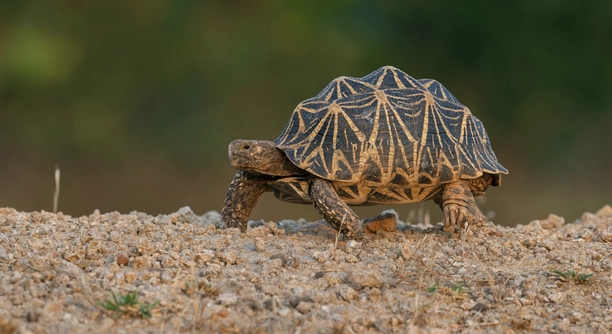
Do you ever find yourself wondering which foods might be harmful to your Indian star tortoise? Providing a safe and balanced diet is essential for their health, but certain foods can cause digestive issues, toxicity, or long-term health problems.
Some foods should never be fed to Indian star tortoises, including iceberg lettuce, spinach, rhubarb, avocado, and certain fruits high in sugar. These foods can cause digestive distress, kidney damage, and other serious health concerns if consumed regularly.
Feeding your tortoise the wrong foods, even in small amounts, can have lasting effects. Understanding which foods to avoid will help you provide a healthier and safer diet for your pet.
Iceberg Lettuce
Iceberg lettuce might seem like a safe food for Indian star tortoises, but it lacks essential nutrients. It is mostly water and does not provide the vitamins or minerals needed for a balanced diet. Feeding iceberg lettuce regularly can lead to nutritional deficiencies over time, affecting their overall health. Additionally, its high water content can cause digestive upset, leading to loose stools. Since Indian star tortoises require a diet rich in fiber and nutrients, offering this lettuce frequently may prevent them from getting the proper nourishment they need to thrive.
Avoiding iceberg lettuce ensures your tortoise gets the right nutrients. Instead, provide leafy greens such as collard greens, mustard greens, and dandelion greens, which are much better options.
Choosing nutrient-rich greens will promote better digestion and overall health. A diet filled with high-fiber, calcium-rich foods helps maintain strong bones and a well-functioning digestive system. Avoiding nutritionally poor foods is essential.
Spinach
Spinach contains high levels of oxalates, which can interfere with calcium absorption. Calcium is crucial for Indian star tortoises, as it helps maintain their shell and bone strength. Feeding spinach regularly can increase the risk of metabolic bone disease, a serious condition that weakens their shell and skeletal structure.
Oxalates in spinach bind with calcium, making it difficult for your tortoise to absorb the mineral properly. Over time, this can lead to weak bones, deformities, and other health concerns. Since Indian star tortoises already require high amounts of calcium, offering foods that hinder absorption can create serious issues. Even small amounts of spinach given frequently may contribute to long-term deficiencies. Instead, it is best to choose calcium-rich foods like turnip greens, endive, or cactus pads.
Feeding your tortoise a variety of safe greens is the best way to ensure they get the proper nutrients. By avoiding high-oxalate foods, you help prevent potential health problems.
Rhubarb
Rhubarb is highly toxic to Indian star tortoises because it contains high levels of oxalic acid. This compound can cause severe calcium deficiencies, leading to metabolic bone disease. Ingesting even small amounts can result in kidney damage, digestive problems, or other serious health concerns over time.
The leaves of rhubarb are especially dangerous, as they contain the highest concentration of oxalates. If a tortoise consumes rhubarb, it may experience lethargy, weakness, or even poisoning symptoms. Since Indian star tortoises rely on calcium for strong bones and shells, any food that interferes with calcium absorption should be avoided completely. There are no safe amounts of rhubarb for tortoises, and it should never be included in their diet. Even if your tortoise shows no immediate reaction, consuming rhubarb can cause long-term health issues that may not be immediately visible.
To prevent accidental exposure, keep rhubarb plants out of reach and never offer them as food. Instead, focus on feeding calcium-rich foods like hibiscus leaves, turnip greens, and cactus pads. Providing a balanced diet with safe greens will support your tortoise’s health and prevent nutrient imbalances. Avoiding toxic foods is one of the most important steps in ensuring a long and healthy life for your pet.
Avocado
Avocado is extremely dangerous for Indian star tortoises due to its high levels of persin, a toxic compound that can cause severe health problems. Even small amounts can lead to respiratory issues, heart complications, or digestive distress. Feeding avocado to a tortoise can result in serious illness, making it one of the most harmful foods to avoid.
Persin is found in every part of the avocado, including the flesh, skin, and pit. When ingested, it can cause lethargy, breathing difficulties, and potential organ failure. Unlike some foods that are only harmful in large amounts, avocado poses a risk even in tiny portions. Since tortoises have slow digestive systems, toxins from avocado can remain in their system longer, increasing the likelihood of poisoning. There are no safe levels of avocado for tortoises, so keeping it out of their diet entirely is the best approach.
To keep your tortoise safe, ensure avocado is never within reach. Instead of risky foods, provide a mix of safe vegetables and greens like escarole, mulberry leaves, and dandelion greens. A well-balanced diet is essential for maintaining their health and avoiding toxic effects. Even accidental exposure to avocado can be harmful, so it’s important to be mindful of what your tortoise has access to.
Tomatoes
Tomatoes contain high levels of acidity, which can disrupt a tortoise’s digestive system. Frequent consumption may cause stomach irritation, leading to discomfort and digestive imbalances. While some tortoise species tolerate tomatoes in small amounts, Indian star tortoises should avoid them completely to prevent potential health issues.
Unripe tomatoes and tomato leaves are especially dangerous, as they contain toxic compounds called solanine and tomatine. These substances can cause serious health problems, including weakness, difficulty breathing, and even poisoning. Keeping tomatoes out of your tortoise’s diet ensures better digestive health and prevents unnecessary risks.
Fruits High in Sugar
Fruits with high sugar content, such as bananas, grapes, and mangoes, can cause digestive issues in Indian star tortoises. Their digestive system is not designed to process large amounts of sugar, which can lead to bloating, diarrhea, or fermentation in the gut. Regular consumption of sugary fruits may also contribute to weight gain and an imbalance in gut bacteria. Since these tortoises thrive on a high-fiber, low-sugar diet, it is best to limit fruit intake or avoid it entirely. Instead, focus on fibrous greens and safe vegetables that promote better digestion and overall health.
Processed Foods
Processed foods contain preservatives, artificial additives, and excess salt, all of which can be harmful to tortoises. Their digestive system is not equipped to handle these ingredients, making processed foods unsafe for their diet. Feeding natural, fresh foods is the best way to support their health.
FAQ
Can Indian star tortoises eat lettuce?
While tortoises can eat lettuce, iceberg lettuce should be avoided. It lacks nutritional value and can cause digestive upset. Romaine or other leafy greens are better alternatives. Lettuce high in water content may also lead to loose stools, so it’s essential to focus on more nutritious greens like collard greens, dandelion, or mustard greens.
Is it safe to feed Indian star tortoises fruit?
It is safe to feed fruits occasionally but only in moderation. Overfeeding sugary fruits can cause digestive issues and weight gain. It’s better to focus on vegetables and greens for their main diet. Fruits like apples, pears, and strawberries should be given in small amounts.
What foods are toxic to Indian star tortoises?
Several foods are toxic, including rhubarb, avocado, and spinach. Rhubarb contains oxalic acid, while avocado has persin, both of which can cause severe health problems
Feeding your Indian star tortoise the right foods is essential for their health and well-being. By avoiding foods like iceberg lettuce, spinach, rhubarb, avocado, and high-sugar fruits, you can ensure they get the nutrition they need. Offering a variety of safe, nutrient-rich foods such as dandelion greens, turnip greens, and hibiscus leaves will help your tortoise maintain strong bones, a healthy shell, and good digestion. A balanced diet is crucial for preventing metabolic bone disease, kidney issues, and other long-term health problems.
It is important to pay attention to the food you provide and how it affects your tortoise’s overall health. Even small amounts of harmful foods can lead to serious issues, so it’s always better to err on the side of caution. If you’re unsure whether a food is safe, do some research or consult a reptile specialist to make informed decisions. Your tortoise depends on you to provide the right care, and offering the best diet possible is one of the most important things you can do to support their health.
By being mindful of the foods you offer, you can help your Indian star tortoise live a long, healthy life. Avoiding dangerous or harmful foods and sticking to a balanced, natural diet will ensure your tortoise thrives. Keep in mind that their diet is just one part of their overall care. Regular habitat maintenance, proper lighting, and fresh water are all crucial for their well-being. Together, these practices will keep your tortoise happy and healthy for years to come.

Hello,
If you enjoy the content that we create, please consider saying a "Thank You!" by leaving a tip.
Every little bit helps us continue crafting quality advice that supports the health, happiness, and well-being of pets around the world, for pets of all shapes, sizes, and species.
We really appreciate the kindness and support that you show us!