
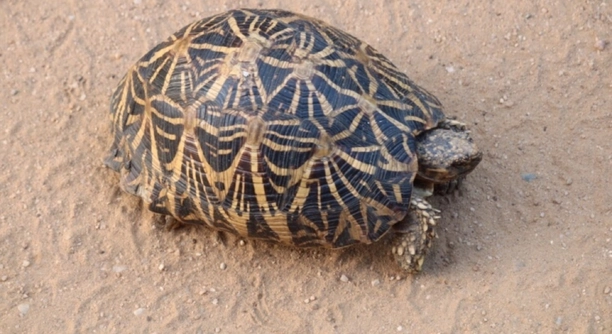
Do you ever find yourself needing to relocate your Indian star tortoise but worry about keeping it safe and stress-free? Ensuring a smooth transition is essential for their well-being, especially since they are highly sensitive to changes in their environment.
The safest way to relocate an Indian star tortoise is by using a well-ventilated, secure container with appropriate bedding. Maintaining stable temperature and humidity levels, minimizing handling, and ensuring proper hydration are crucial for reducing stress and preventing health complications.
Proper preparation can make all the difference when moving your tortoise. Understanding key precautions will help you create a comfortable journey while safeguarding their health.
Choosing the Right Container
Selecting the right container is important when relocating your Indian star tortoise. A sturdy, well-ventilated box or plastic carrier with a secure lid works best. The container should be spacious enough for movement but not too large, as excess space can cause unnecessary stress. Soft bedding, like a towel or shredded newspaper, will provide comfort and prevent sliding. Avoid using hard or slippery surfaces, as they can lead to injuries. Ensure the container has small ventilation holes to allow fresh air circulation. If traveling long distances, include a small, shallow water dish to keep your tortoise hydrated.
A proper container keeps your tortoise safe during transport. Using familiar bedding or a soft cloth can help reduce anxiety. Always check for sharp edges inside the container that might cause harm.
Temperature fluctuations can affect your tortoise’s health. Keeping a warm, stable environment inside the container prevents stress and ensures they remain comfortable.
Maintaining Ideal Temperature and Humidity
Temperature regulation is essential for Indian star tortoises. They require a warm and stable environment, as sudden changes can cause stress or illness. Maintaining the correct humidity levels prevents dehydration and respiratory issues.
A temperature range between 75–85°F is ideal. Use a portable heat pad if traveling in colder conditions, but avoid direct contact with your tortoise to prevent burns. If relocating in warm weather, ensure the container is shaded and not exposed to direct sunlight. Placing a damp cloth in the container can help maintain humidity without making the space too wet. Regularly check temperature levels with a portable thermometer to avoid overheating or excessive cooling.
Humidity should be kept around 50–70%. Dry conditions can cause dehydration, while excessive moisture may lead to shell rot or fungal infections. If necessary, lightly mist the bedding with water. Monitoring and adjusting these factors will keep your tortoise comfortable and healthy throughout the process.
Minimizing Stress During Relocation
Reducing stress is important when moving an Indian star tortoise. Keep handling to a minimum, as excessive movement can cause anxiety. Move slowly and avoid sudden noises. Keeping the environment quiet and dimly lit helps your tortoise feel more secure. Familiar scents or bedding can also provide extra comfort.
Avoid overcrowding the container with unnecessary items. A small hiding spot, like a soft cloth or a piece of cardboard, can help your tortoise feel safe. If traveling by car, keep the container stable and away from direct air vents. Sudden temperature changes or loud sounds can be distressing. If the tortoise shows signs of stress, such as excessive hiding or loss of appetite, give it time to adjust. Gradually reintroducing it to its new space will make the transition easier.
Hydration is crucial. Offer water before and after relocation. Dehydration can cause health issues, so misting their shell lightly with water can help maintain moisture. A shallow water dish in the new enclosure will also encourage drinking. Keeping stress levels low ensures a smoother adjustment.
Ensuring Proper Hydration and Nutrition
Dehydration can cause serious health problems in Indian star tortoises. Before relocation, provide fresh water to ensure they are well-hydrated. A small, shallow dish inside the container allows them to drink if needed. Avoid feeding large meals before transport, as digestion slows when they are stressed.
After relocation, offer fresh greens and a shallow water source immediately. Leafy vegetables like romaine lettuce or dandelion greens provide both hydration and essential nutrients. Soaking your tortoise in lukewarm water for 10–15 minutes can also help if it appears dehydrated. Monitor their behavior and appetite closely, as a lack of interest in food could indicate stress.
Maintaining a proper diet helps your tortoise recover from the move. Providing calcium-rich foods, like cuttlebone or calcium powder-dusted greens, supports shell health. Avoid sudden diet changes, as this can cause digestive issues. Keeping food and water easily accessible helps them settle in faster.
Monitoring for Signs of Stress or Illness
Watch for changes in behavior after relocation. Signs of stress include lack of appetite, excessive hiding, or lethargy. If your tortoise refuses to eat for several days, it may need extra hydration or a more stable environment to adjust.
Check for any physical symptoms like swollen eyes, nasal discharge, or difficulty breathing. These could indicate respiratory issues caused by temperature fluctuations. If symptoms persist, consult a reptile veterinarian. Ensuring proper care after relocation helps your tortoise recover smoothly.
Cleaning and Sanitizing the New Enclosure
A clean enclosure prevents infections and keeps your tortoise healthy. Disinfect the habitat before placing your tortoise inside, using reptile-safe cleaners. Rinse thoroughly to remove any chemical residue. Fresh substrate, clean water dishes, and proper ventilation are necessary for a safe and comfortable environment.
Allowing Time for Adjustment
Let your tortoise explore its new space at its own pace. Avoid unnecessary handling for the first few days. Providing hiding spots and a familiar scent can help ease stress. Keeping the environment calm and consistent allows your tortoise to settle in comfortably.
FAQ
How long can an Indian star tortoise stay in a travel container?
An Indian star tortoise can stay in a travel container for several hours, but it’s best to minimize travel time. If transporting for more than four hours, ensure proper ventilation, stable temperature, and occasional hydration to prevent stress and dehydration.
What should I do if my tortoise refuses to eat after relocation?
It’s normal for tortoises to lose their appetite after a move. Provide fresh greens, maintain a consistent temperature, and limit handling. If your tortoise doesn’t eat for more than a week, try soaking it in lukewarm water. Persistent refusal to eat may require a vet visit.
How can I keep my tortoise warm during transport?
Use a portable heat pad wrapped in a cloth to prevent direct burns. If traveling by car, maintain a stable indoor temperature. Avoid placing the container near cold air vents or direct sunlight, as both extreme heat and cold can cause stress.
Can I relocate multiple Indian star tortoises in the same container?
It’s not recommended. Even if they are familiar with each other, being in a confined space can cause stress. Tortoises may accidentally step on one another, leading to injuries. If moving multiple tortoises, use separate containers to keep them safe and comfortable.
Should I feed my tortoise before relocation?
Avoid feeding a large meal before transport. A full stomach combined with stress can cause digestive issues. Offering food the day before is fine, but it’s best to wait until after relocation to resume regular feeding. Hydration, however, should always be maintained.
How do I know if my tortoise is too cold or too hot during transport?
If your tortoise is too cold, it may become inactive and tuck into its shell. If overheated, it may appear restless or breathe with its mouth open. Keep temperatures between 75–85°F and adjust conditions accordingly to prevent health issues.
Is it safe to transport my tortoise by plane?
Air travel can be stressful for tortoises. If flying is necessary, check airline regulations for reptile transport. Use a secure, well-ventilated container with soft bedding. Direct flights are best to minimize time in transit and exposure to extreme temperatures.
How can I reduce stress after relocation?
Give your tortoise time to adjust by keeping handling to a minimum. Ensure the enclosure is warm, quiet, and equipped with hiding spots. Offer fresh food and water but don’t force it to eat. A calm, consistent environment helps ease stress.
What bedding should I use in the travel container?
Soft, absorbent materials like shredded newspaper, paper towels, or a clean cloth are ideal. Avoid loose substrate like sand or wood chips, as they can shift during transport and cause breathing difficulties or injuries.
Can I take my tortoise on a long car trip?
Yes, but plan ahead. Keep the container stable, maintain a warm temperature, and stop occasionally to check on your tortoise. Avoid sudden movements or loud noises that might cause stress. Never leave your tortoise unattended in a parked car.
What signs indicate my tortoise is unwell after relocation?
Lethargy, runny nose, excessive hiding, swollen eyes, or refusal to eat for more than a week could indicate stress or illness. If symptoms persist, consult a reptile veterinarian to ensure your tortoise receives proper care.
How soon can I reintroduce my tortoise to its normal routine?
Allow at least a few days for adjustment. Observe behavior before resuming regular activities. If your tortoise appears alert, eats normally, and moves comfortably, it’s safe to reintroduce it to its usual routine.
Final Thoughts
Relocating an Indian star tortoise requires careful planning to ensure its safety and well-being. Providing a secure, well-ventilated container, maintaining proper temperature and humidity, and minimizing stress are key factors in a successful move. Every tortoise reacts differently to change, so paying close attention to their behavior can help prevent health issues. Hydration is just as important as temperature control, and small adjustments, like misting the shell or offering fresh greens, can make a big difference. Whether moving a short distance or traveling long hours, keeping their needs in mind will help them feel more comfortable and secure.
After relocation, it’s important to monitor your tortoise closely. Some may take time to adjust, while others may settle in quickly. If your tortoise refuses to eat for several days, spends excessive time hiding, or shows signs of illness, additional care may be needed. Giving them a calm and quiet space, limiting handling, and maintaining a familiar routine will help ease the transition. A properly cleaned and prepared enclosure also plays a big role in their comfort. Simple steps, like checking for proper ventilation and keeping food and water easily accessible, can prevent unnecessary stress and keep them healthy.
Relocating a tortoise is not just about moving them from one place to another—it’s about ensuring their overall well-being throughout the process. Paying attention to small details, like stability during transport and avoiding sudden temperature changes, can prevent stress and health complications. With the right precautions and care, your tortoise can settle into its new environment safely. Taking the time to create a smooth and stress-free transition will allow your tortoise to thrive in its new space.

Hello,
If you enjoy the content that we create, please consider saying a "Thank You!" by leaving a tip.
Every little bit helps us continue crafting quality advice that supports the health, happiness, and well-being of pets around the world, for pets of all shapes, sizes, and species.
We really appreciate the kindness and support that you show us!