
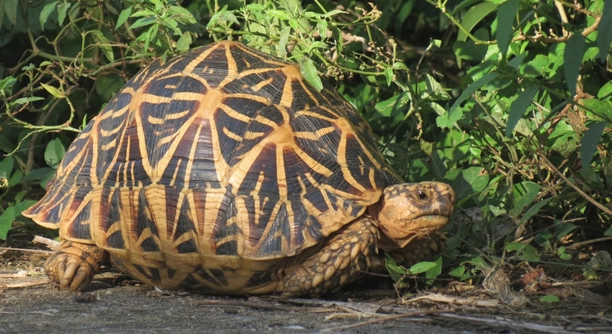
Indian Star Tortoises are among the most captivating reptiles due to their distinct appearance and behavior. Known for their unique patterns, they make fascinating pets and contribute to biodiversity. Their charm sets them apart from other tortoises.
Indian Star Tortoises are unique due to their star-like patterns on their domed shells, which provide camouflage in their natural environment. They also have specific habitat preferences, including dry grasslands and forests, and are slow-moving, making them highly adaptable to various environments.
Their distinctive features make them a popular subject of interest. Keep reading to learn more about what sets these reptiles apart from others.
Unique Shell Patterns
The Indian Star Tortoise stands out with its striking, star-like patterns across its shell. These markings are not only beautiful but also functional. The intricate design helps the tortoise blend in with its environment, offering protection from predators. The bold, yellow and black pattern is reminiscent of a starburst, which is where the species gets its name. These markings are unique to each individual, much like fingerprints in humans. This camouflage makes it harder for predators to spot them in the wild, especially in the dry grasslands and forests they inhabit.
The shell’s shape is also crucial for their survival. It provides structure and strength while also serving as a protective barrier. The combination of patterns and shape is an essential part of the tortoise’s defense strategy.
This specific shell design allows the tortoise to thrive in its natural habitat. Its beauty goes beyond mere appearance, helping it stay hidden from potential threats.
Slow and Steady Movements
One of the most noticeable features of the Indian Star Tortoise is its slow, steady pace. Their slow movements are well-suited for their lifestyle. While they aren’t fast movers, their calm nature is part of their survival strategy.
In the wild, they typically forage for food in a leisurely manner. Their methodical movements help them avoid unnecessary energy expenditure, which is crucial in harsh environments where resources can be scarce. This slow pace also helps them remain unnoticed by predators in areas with high grass and underbrush.
Strong, Durable Shells
Indian Star Tortoises have incredibly durable shells that serve as a primary defense mechanism. The shells are made of keratin, the same material found in human nails, providing strength and protection. Their strong outer layer ensures they can withstand the pressure from predators trying to attack.
The tortoise’s shell isn’t just tough in appearance. It’s also structured to absorb impact without breaking. When threatened, the tortoise will retreat into its shell, using it as a shield. This ability to protect itself with its shell allows the tortoise to avoid many of the dangers present in the wild.
Their shells also provide them with essential protection from extreme temperatures, helping them maintain body temperature in fluctuating climates. The natural design ensures they stay comfortable while avoiding risks in their environment.
Low Maintenance Pets
Indian Star Tortoises are relatively low-maintenance when kept as pets, which makes them appealing to reptile owners. They don’t require complex care routines and can thrive in a simple enclosure with the right conditions.
One of the main aspects of keeping a healthy Indian Star Tortoise is providing them with ample space and a habitat that mimics their natural environment. They need a warm and dry area with access to fresh water. Their diet mainly consists of grass, leaves, and flowers, which are easy to provide. Though they do require UV light for proper shell development, their basic needs are manageable for most reptile keepers.
Long Lifespan
Indian Star Tortoises can live for several decades, making them long-term companions. With proper care, they can live up to 50 years or more. Their lifespan is significantly longer than many other reptiles, which is one of the reasons they make such a special pet.
Their extended life requires a commitment from their owners. While they may not need constant attention, providing a stable environment for decades can be challenging. However, their longevity means that they offer many years of enjoyment and companionship for reptile lovers who are willing to invest the time.
Calm Temperament
Indian Star Tortoises are known for their calm and peaceful nature. They are not aggressive and tend to be shy, often retreating into their shells when approached. This gentle temperament makes them suitable for households with children and other pets.
Their patience and slow movements are part of what makes them such serene creatures. They are not easily stressed and can be left alone for extended periods without issue. Their peaceful demeanor makes them an ideal pet for those who prefer a more relaxed reptilian companion.
Adaptability to Different Climates
Indian Star Tortoises are adaptable to a range of climates, which is why they are found across various regions of India and Sri Lanka. They can tolerate heat and dryness, which is characteristic of their natural environment, but they also thrive in more controlled, cooler habitats.
Their ability to adjust to different conditions allows them to survive in diverse climates, from tropical to semi-arid regions. In captivity, their habitat can be adjusted with controlled temperature and humidity levels to replicate their native environment, making them versatile pets for various living situations.
FAQ
What do Indian Star Tortoises eat?
Indian Star Tortoises are herbivores, primarily feeding on grasses, leaves, flowers, and various plants. A diet rich in fiber is essential for their digestion. They also enjoy occasional fruits, but it’s important to offer these in moderation to avoid imbalances. Their diet in the wild is made up of a wide range of plants, and this can be replicated in captivity using a combination of fresh greens like dandelion leaves, clover, and hibiscus flowers.
Providing them with fresh, clean water is also essential for hydration, as they can become dehydrated in dry environments. A well-rounded diet will help maintain their health, ensure proper shell growth, and promote overall well-being.
How often should I feed my Indian Star Tortoise?
Indian Star Tortoises should be fed daily, especially when they are young and growing. As adults, you can reduce feeding to every other day. It’s essential not to overfeed, as they can become overweight. A balanced diet of high-fiber plants and leaves will maintain their health.
A good rule of thumb is to offer food in amounts they can eat within an hour. If they leave food behind, adjust the portions in the future. It’s also helpful to vary their diet to ensure they receive a range of nutrients.
How can I create a proper habitat for an Indian Star Tortoise?
Indian Star Tortoises need a large, secure enclosure to roam. In captivity, they should have access to a basking area with a heat lamp and a cooler, shaded space for relief. The temperature should range between 85°F and 95°F during the day, and they should have a nighttime drop in temperature to around 70°F to mimic their natural environment.
Substrate in the enclosure should be dry and dust-free, such as coconut coir, sand, or a combination. A shallow water dish should always be available for drinking and soaking, as this helps with hydration. It’s essential to clean the habitat regularly to prevent bacteria buildup and ensure your tortoise remains healthy.
What kind of lighting does an Indian Star Tortoise need?
UVB lighting is crucial for Indian Star Tortoises as it helps them synthesize vitamin D3, which is necessary for calcium absorption. Without proper UVB light, they can develop metabolic bone disease and other health issues. A UVB bulb should be placed in the enclosure, ensuring the tortoise gets exposure for about 10–12 hours a day.
It’s also important to provide a basking light to ensure they can regulate their body temperature. The basking spot should reach temperatures between 95°F and 100°F, mimicking the warmth they’d experience in the wild.
Can I keep an Indian Star Tortoise with other reptiles?
While Indian Star Tortoises are generally peaceful, it’s best not to house them with other reptiles unless you’re familiar with their specific needs. Some reptiles might not get along, and there could be issues with territory or competition for food.
If you plan to keep them with other reptiles, ensure the habitat is large enough and that all species have their own space. Always research the specific needs of each species to avoid stress or harm.
How long do Indian Star Tortoises live?
Indian Star Tortoises are long-lived creatures, with a lifespan of up to 50 years or more in the wild or in captivity with proper care. Their longevity makes them a long-term commitment for pet owners, so it’s important to be prepared for their extended lifespan.
Their lifespan can be influenced by factors such as diet, habitat conditions, and overall care. Regular veterinary checkups and attention to their environment will help ensure they remain healthy for years to come.
Are Indian Star Tortoises good pets for beginners?
Indian Star Tortoises can be suitable pets for beginners, but they do require a bit of commitment. While they are relatively low-maintenance in terms of daily care, they do need a properly set up habitat, a varied diet, and attention to temperature and lighting conditions.
Their long lifespan and specific care needs may be daunting for some, but if you’re prepared to put in the effort, they can be rewarding pets. They are quiet, non-aggressive, and generally low-energy, making them a good choice for pet owners who want a unique, calm reptile companion.
Do Indian Star Tortoises need a companion?
Indian Star Tortoises are solitary animals and do not require companionship. They tend to be territorial and may not enjoy having other tortoises in their space, especially if they are not accustomed to it.
If you do choose to house more than one tortoise, ensure the enclosure is large enough to allow each tortoise to have its own space. Be mindful of their temperament and avoid overcrowding, which could lead to stress or aggression.
How can I tell if my Indian Star Tortoise is healthy?
A healthy Indian Star Tortoise will have clear eyes, a smooth and firm shell, and a strong appetite. Its skin should be free from lesions, and it should be active during its waking hours. Regular movement and basking are signs that the tortoise is in good health.
Be sure to monitor its eating habits and waste output. Any signs of lethargy, refusal to eat, or abnormal behavior could indicate illness, and a visit to the vet is recommended. Regular veterinary checkups can help catch any issues early, ensuring the tortoise stays in top condition.
How do I handle an Indian Star Tortoise?
Handling Indian Star Tortoises should be done with care. While they are not aggressive, they may feel threatened if picked up too often. Gently support their body when lifting them and avoid sudden movements.
It’s best to let them explore on their own and only pick them up when necessary for cleaning or health checks. Over-handling can cause stress, so it’s essential to respect their natural behavior and give them plenty of space.
Final Thoughts
Indian Star Tortoises are truly unique creatures, both in appearance and behavior. Their striking shell patterns, combined with their calm and solitary nature, make them an intriguing choice for pet owners who are willing to meet their specific needs. While they can live for decades, it’s important to remember that they require a lot of attention and care. Their diet, habitat, and lighting conditions need to be closely monitored to keep them healthy. For those prepared to dedicate time to their well-being, these tortoises can make excellent long-term companions.
Caring for an Indian Star Tortoise is not just about providing food and water. It involves creating an environment that mimics their natural habitat as much as possible. This includes providing the right temperature, UVB lighting, and ample space to roam. Their diet needs to be carefully balanced, offering a variety of plants, leaves, and grasses to ensure they receive all the nutrients they require. Regular cleaning of their habitat is crucial to avoid the buildup of bacteria and ensure their health.
Lastly, it’s important to recognize that owning an Indian Star Tortoise is a long-term commitment. These tortoises live for many years, sometimes up to 50 years or more, and require consistent care throughout their lifespan. Before deciding to bring one into your home, be sure that you are prepared for the responsibility. Understanding their needs and providing them with the proper environment will help ensure they live a healthy, happy life. If you are ready to make this commitment, an Indian Star Tortoise can become a fascinating and rewarding pet.

Hello,
If you enjoy the content that we create, please consider saying a "Thank You!" by leaving a tip.
Every little bit helps us continue crafting quality advice that supports the health, happiness, and well-being of pets around the world, for pets of all shapes, sizes, and species.
We really appreciate the kindness and support that you show us!