
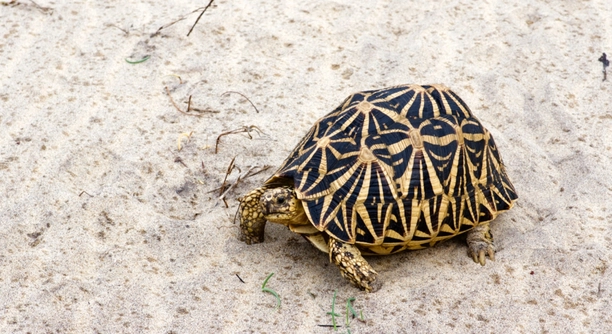
Indian star tortoises are beloved for their unique appearance and calm demeanor. However, if your tortoise stops laying eggs, it can be concerning. Understanding why this happens is crucial for ensuring their health and well-being.
The main reasons why Indian star tortoises stop laying eggs are often related to environmental factors, health issues, or stress. These factors can interfere with their reproductive cycle, leading to a halt in egg-laying. Addressing these problems is essential.
By addressing these underlying causes, you can help your tortoise get back on track. This article will outline the reasons why your tortoise may stop laying eggs and provide solutions to improve their condition.
Stress and Anxiety Can Impact Egg-Laying
Stress plays a significant role in whether or not your Indian star tortoise lays eggs. These tortoises are sensitive to changes in their environment, such as loud noises, frequent handling, or the introduction of other animals. Stress causes anxiety, which affects their natural cycles. When stressed, tortoises might stop eating, become lethargic, and, eventually, stop laying eggs. It’s important to create a calm and stable environment to help reduce any stress factors that might be affecting your tortoise. This can include setting up a quiet, secure enclosure where they feel safe and are left undisturbed.
Stress can result in hormonal changes, affecting reproduction. A tortoise under stress might not feel secure enough to lay eggs, even if conditions are otherwise ideal. Reducing these stressors is a simple but effective fix. Make sure the enclosure is quiet and free from sudden disruptions.
Additionally, avoid handling your tortoise too frequently. While interaction is important, too much contact can lead to unnecessary anxiety. Giving them space to thrive will improve their overall well-being and increase the likelihood of them laying eggs.
Inadequate Diet and Nutrition
A lack of proper nutrition can also stop egg-laying. Tortoises need a well-balanced diet with adequate calcium, fiber, and vitamins to support egg production. Without these nutrients, they may not be physically able to lay eggs. To fix this, include a variety of leafy greens, flowers, and vegetables in their meals. Ensure they get calcium-rich foods like dandelion greens, and provide calcium supplements if needed.
A poor diet can lead to egg-binding or other reproductive issues. It’s essential to keep track of their diet to maintain a healthy reproductive system. Adding the right foods will help support healthy egg production, preventing any future issues.
Poor Habitat Conditions
A poorly maintained habitat can lead to your tortoise stopping egg-laying. Temperature, humidity, and space all play vital roles in their reproductive health. If the enclosure isn’t set up correctly, they may not feel comfortable enough to lay eggs. Ensure the temperature is kept between 80-90°F during the day and cooler at night.
Humidity is another important factor. Tortoises require a certain level of humidity to help their egg-laying process. A dry environment can cause dehydration and prevent eggs from being laid. Maintaining humidity levels around 60-80% is ideal. Proper lighting and enough space to roam and dig will also help.
Make sure your tortoise has access to areas where they can burrow and hide. A secure, comfortable environment will encourage them to resume their egg-laying cycle. Regular cleaning and proper substrate can help keep them healthy and stress-free.
Lack of Mating Opportunities
If your tortoise doesn’t have access to a mate, egg-laying may not happen. Indian star tortoises need a suitable mate for reproductive success. Without a male, females may not produce eggs or may lay infertile ones. If you have a female and no male, consider adding a mate if it’s possible and appropriate for your situation.
Even if you have a male, the tortoises need enough space to interact and mate properly. A lack of opportunity to do so can interfere with the natural cycle. Tortoises are territorial and may need separate spaces for each individual until mating is attempted.
A proper setup that includes adequate space, a mate, and privacy can help your female tortoise begin to lay eggs again. Keep in mind that these tortoises do not breed as frequently in captivity compared to the wild. However, proper conditions will encourage egg production when the time is right.
Overweight or Obese Tortoises
Being overweight can prevent your tortoise from laying eggs. Extra body weight puts stress on their system and affects their overall health. Overweight tortoises may struggle to reproduce because they lack the energy needed to carry and lay eggs.
To fix this, you need to provide a balanced diet and ensure your tortoise gets enough exercise. Reduce the amount of high-calcium and high-fat foods and focus on more leafy greens and low-calorie vegetables. Regular outdoor time or space for movement will help maintain a healthy weight, which in turn can improve egg-laying.
Age and Maturity
Age plays an important role in egg-laying. Female Indian star tortoises typically don’t start laying eggs until they reach maturity, which is around 5 to 7 years old. If your tortoise is younger, it might just not be ready yet.
Patience is key. Keep providing a healthy environment and diet, and monitor any changes in behavior. As your tortoise ages and matures, the chances of egg-laying increase.
Health Problems or Illness
Health issues can also interfere with a tortoise’s ability to lay eggs. Common problems like respiratory infections, parasites, or metabolic bone disease may cause reproductive issues. If your tortoise shows signs of illness, such as lethargy, lack of appetite, or swollen limbs, it could affect egg production.
Taking your tortoise to a vet for a health check is crucial. A professional can identify any underlying issues and recommend the necessary treatment. With proper care, your tortoise should recover and return to normal egg-laying.
FAQ
Why is my Indian star tortoise not laying eggs?
If your tortoise is not laying eggs, it could be due to stress, inadequate habitat conditions, poor diet, or health issues. Tortoises need a quiet, secure environment, a balanced diet, and proper space to feel comfortable enough to lay eggs. Stress, including constant handling or changes in their enclosure, can interfere with their reproductive cycle. Make sure the habitat is set up correctly, with proper temperature, humidity, and space. A poor diet can also affect egg production, so ensure they get a variety of leafy greens, calcium, and fiber.
What is the ideal temperature for egg-laying in Indian star tortoises?
Indian star tortoises need a temperature range of 80-90°F during the day, with a slight drop at night to simulate natural conditions. A basking spot should be around 95°F to allow the tortoise to regulate its body temperature. A drop in temperature can stress the tortoise, making it harder for them to lay eggs. Ensure the enclosure has a warm area for basking and cooler areas for them to retreat to. This balance helps promote a healthy reproductive cycle.
How do I ensure my Indian star tortoise is getting enough calcium?
Calcium is crucial for egg production. You can provide calcium through calcium-rich vegetables like dandelion greens and collard greens. A calcium supplement, such as cuttlebone or a powdered calcium supplement sprinkled on food, is also helpful. The proper calcium-to-phosphorus ratio in the diet is important to prevent metabolic bone disease, which can affect egg-laying. Ensure your tortoise has access to fresh water at all times and gets enough UVB light, as this helps with calcium absorption.
Can stress stop my tortoise from laying eggs?
Yes, stress can definitely stop your tortoise from laying eggs. Tortoises are sensitive to changes in their environment. Loud noises, frequent handling, and other disturbances can cause stress and make them feel unsafe, preventing egg-laying. Create a calm, stable environment by keeping their enclosure in a quiet area. Limit handling and provide a space where they can hide and feel secure. Minimizing stress will encourage your tortoise to resume egg production.
How can I make sure my Indian star tortoise has enough space to lay eggs?
Indian star tortoises need plenty of space to feel comfortable enough to lay eggs. Provide a large enclosure with room to roam, burrow, and dig. A tortoise that doesn’t have enough space may not feel secure enough to lay eggs. The enclosure should be at least 4 feet by 2 feet for a single tortoise, with room for them to move around. A substrate like coconut coir or soil allows them to dig and create a suitable nest. Ensure there are no obstacles that could cause injury or discomfort while they attempt to lay eggs.
What if my female tortoise is alone and not laying eggs?
If your female tortoise doesn’t have a male mate, she may still produce eggs, but they may be infertile. Some female tortoises lay eggs even without mating, which is a natural behavior. However, infertility isn’t a sign of a problem. Ensure her environment is suitable for egg-laying—provide the right temperature, humidity, and space. Even without a male, a well-maintained environment will help her feel comfortable and encourage the laying of eggs.
How often do Indian star tortoises lay eggs?
Indian star tortoises typically lay eggs twice a year. However, this can vary depending on factors like age, health, and environment. Healthy, mature tortoises in a stress-free, properly maintained environment are more likely to lay eggs regularly. If your tortoise is not laying eggs despite being in good health, it could be due to environmental factors or other underlying issues that need addressing.
What should I do if my tortoise is laying eggs but they aren’t hatching?
If your tortoise is laying eggs but they’re not hatching, it could be due to a few factors. First, check the temperature and humidity levels where the eggs are being incubated. Eggs need a consistent, warm temperature of around 85-88°F and proper humidity to hatch. If the conditions aren’t right, the eggs may not develop. If you’re unsure, consult a vet for advice on egg incubation. Sometimes, eggs can be infertile, meaning they won’t hatch regardless of incubation conditions.
How can I prevent my tortoise from becoming overweight?
To prevent your tortoise from becoming overweight, ensure they are eating a well-balanced diet and getting plenty of exercise. Avoid high-calcium, high-fat foods like fruit and provide more leafy greens and fiber. Overfeeding can lead to obesity, which may interfere with egg-laying. Also, ensure your tortoise has space to roam and climb. Regular exercise helps keep their weight in check, which in turn supports a healthy reproductive system.
Is it normal for my tortoise to stop eating when laying eggs?
It’s normal for tortoises to eat less or stop eating entirely during the egg-laying process. Egg production requires a lot of energy, and your tortoise may feel too exhausted or uncomfortable to eat. Ensure that the environment is calm and that she has access to fresh water. If the lack of eating continues for an extended period, or if there are other signs of illness, it’s important to consult a vet to rule out any potential health problems.
Can poor lighting affect egg production in tortoises?
Yes, improper lighting can interfere with your tortoise’s ability to lay eggs. Tortoises need access to UVB light, which helps them absorb calcium and maintain healthy bone structure. Without UVB light, they may develop metabolic bone disease, which can impact their reproductive health. Ensure your tortoise has access to natural sunlight or a UVB light source to maintain a healthy reproductive cycle. Proper lighting is essential for their overall well-being.
Final Thoughts
Indian star tortoises are fascinating creatures, and watching them lay eggs is a rewarding experience for any owner. However, it’s important to remember that there are various factors that can affect their ability to reproduce. Stress, poor diet, inadequate habitat, and health issues are just a few things that could lead to a halt in egg-laying. By providing a calm and stable environment, proper nutrition, and the right temperature and humidity conditions, you can greatly improve the chances of your tortoise laying eggs.
It’s also worth noting that tortoises, like any other pet, require patience and care. They may not always lay eggs as frequently as we expect, and that’s okay. It’s essential to be patient with them and give them the time and space they need. If you are concerned about your tortoise’s egg-laying cycle, it’s a good idea to consult a veterinarian who can help rule out any medical problems. Regular check-ups are always beneficial in maintaining their overall health, especially when it comes to reproductive issues.
Ultimately, your tortoise’s well-being should always be the priority. If they’re not laying eggs, there could be an underlying reason that needs to be addressed. By making small changes, like improving their diet or adjusting the environment, you can ensure they remain healthy and happy. Each tortoise is unique, and what works for one may not work for another. Understanding their needs and adjusting accordingly will help you provide the best care possible for your Indian star tortoise.

Hello,
If you enjoy the content that we create, please consider saying a "Thank You!" by leaving a tip.
Every little bit helps us continue crafting quality advice that supports the health, happiness, and well-being of pets around the world, for pets of all shapes, sizes, and species.
We really appreciate the kindness and support that you show us!