
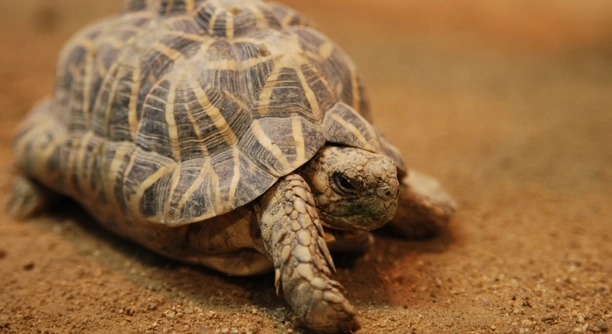
Owning an Indian Star Tortoise comes with unique responsibilities. These creatures have specific needs that can affect their well-being. Knowing how to care for them properly ensures a healthy and happy life for your pet.
Proper care for an Indian Star Tortoise includes a balanced diet, appropriate habitat, and regular health checks. They require a warm, dry environment and plenty of UVB light. Hydration is crucial, and substrate must be safe.
Understanding their needs and behaviors can help you avoid common mistakes. With the right knowledge, you can ensure your tortoise thrives in your care.
Creating the Right Habitat for Your Indian Star Tortoise
The proper habitat is essential for the health of your Indian Star Tortoise. It should reflect the natural environment of the species, which thrives in dry, warm conditions. A spacious enclosure with access to both light and dark areas allows your tortoise to regulate its temperature effectively. Use a basking area with a heat lamp to provide warmth, and ensure that the ambient temperature is consistent throughout the day. The enclosure should also be equipped with a UVB light to mimic natural sunlight, as UVB is crucial for their bone health. A dry substrate like coconut husk or sand works best for mimicking their natural habitat, ensuring proper drainage while avoiding excessive humidity. Keep the environment clean by removing waste regularly to maintain a healthy space.
Providing your tortoise with adequate space and light is key to its well-being. It helps maintain the proper temperature balance, which is necessary for digestion and overall health.
The enclosure should be large enough to allow for movement. Small spaces can lead to stress and hinder proper growth. Regular temperature checks are also essential to maintain their health.
Feeding Your Indian Star Tortoise
Feeding an Indian Star Tortoise requires attention to variety. They need a diet that includes leafy greens, vegetables, and some fruits. Foods like dandelion greens, collard greens, and squash are great options. Avoid feeding them high-protein foods or fruit too often, as this can cause health issues. Fresh food should be offered daily, and it’s important to remove any uneaten food to prevent spoilage.
Calcium is an essential part of their diet, so sprinkle some on their food every few days. A vitamin supplement can also be added but should be used sparingly. Provide fresh water daily, making sure they can access it easily.
The tortoise will likely enjoy a variety of leaves and grasses, but always ensure what you’re feeding is safe. Avoid toxic plants such as azalea or rhododendron. Experiment with different options to keep them engaged while providing the necessary nutrients.
Hydration for Your Indian Star Tortoise
While your tortoise may seem low-maintenance, hydration plays a significant role in their health. Indian Star Tortoises can be prone to dehydration, especially in a dry environment. A shallow dish of water should be placed inside their enclosure, offering them easy access throughout the day.
Soaking them in a shallow bath once a week is also beneficial. It helps with hydration and promotes proper digestion. After the soak, gently dry them with a towel to avoid any dampness that could cause skin irritation. Regular baths can also aid in the shedding process.
Check their water bowl frequently to ensure it remains clean. If it’s left dirty for too long, it could lead to bacteria buildup. In addition to water, misting the enclosure lightly from time to time can help maintain a better humidity level, which is essential for their health.
Shell Health and Care
The shell is vital to your tortoise’s well-being. It should remain smooth and firm, without signs of damage or infections. Check regularly for any abnormalities, such as soft spots, cracks, or discoloration. A healthy shell is a sign of a healthy tortoise.
If you notice any issues, consult a vet experienced with reptiles. Shell problems can arise from poor nutrition or insufficient basking. Proper UVB exposure and calcium in their diet help maintain shell integrity. Avoid handling them roughly, as this can cause damage to their shell.
Handling Your Indian Star Tortoise
Handling should be done gently to avoid stressing your tortoise. Never grab them by their legs or shell, as this can cause discomfort and injury. When lifting, support both the body and shell evenly. Tortoises are not used to being handled, so brief interactions are best.
They may take time to adjust to human presence, so always be patient. Try to limit handling to only necessary times. Prolonged stress can weaken their immune system and affect their overall health. Make sure they have plenty of time in their habitat without disturbance.
Vet Checkups for Your Indian Star Tortoise
Regular vet checkups are crucial, even if your tortoise appears healthy. A vet familiar with reptiles can monitor your tortoise’s health and catch potential problems early. Annual visits help ensure their diet and environment are ideal for long-term well-being.
Your vet can also give advice on proper nutrition, growth rates, and preventative care. Be proactive in booking checkups to prevent health issues from becoming serious. Keep track of any signs of illness, such as lethargy or changes in appetite, and consult the vet if needed.
FAQ
What should I do if my tortoise isn’t eating?
Loss of appetite can be a sign of stress, illness, or improper environmental conditions. Start by checking the temperature and humidity of the enclosure to ensure they are within the proper range. Sometimes, tortoises may stop eating if they are too cold or too hot. Offer a variety of fresh foods to see if that sparks their interest. If the issue persists, consult a vet to rule out any health problems.
How often should I feed my Indian Star Tortoise?
Indian Star Tortoises should be fed daily, with a mix of leafy greens, vegetables, and a small amount of fruit. The portions should be appropriate for their size, and uneaten food should be removed from the enclosure to avoid spoilage. A varied diet helps to ensure they get the necessary nutrients, but it’s crucial not to overfeed.
Is it okay to keep my tortoise outside?
Yes, it’s safe to keep your Indian Star Tortoise outside, but only in a secure, controlled environment. The outdoor habitat should have proper barriers to prevent them from escaping, and it should offer both sun and shade. Ensure the temperature is suitable and that the tortoise is protected from predators. You should also bring them inside during extreme weather conditions like rain or very hot temperatures.
Can my tortoise live with other pets?
Indian Star Tortoises should generally be kept alone or with other tortoises. They can become stressed if housed with more active pets like dogs or cats, which may also pose a risk to them. If you want to house more than one tortoise together, ensure they have enough space and that there is no fighting or competition for food.
How do I know if my tortoise is sick?
Signs of illness in Indian Star Tortoises can include loss of appetite, lethargy, shell discoloration, discharge from the eyes or nose, or trouble breathing. If you notice any of these symptoms, it’s important to consult a vet experienced with reptiles. Early diagnosis is key to treating health issues effectively.
How do I maintain the proper humidity level in my tortoise’s enclosure?
Maintaining proper humidity is crucial for your tortoise’s health. You can control humidity by misting the enclosure lightly with water, but be careful not to make it too damp. Choose a substrate that retains moisture but does not become too wet. If necessary, invest in a humidity gauge to monitor the levels.
What kind of lighting does my tortoise need?
Indian Star Tortoises require both UVB lighting and a heat source to stay healthy. UVB light helps them synthesize vitamin D3, which is essential for calcium absorption. The heat source, like a basking lamp, should provide warmth during the day. A 12-hour light cycle mimicking natural daylight hours is ideal for your tortoise’s health.
Can I use a regular lightbulb for my tortoise’s enclosure?
No, regular lightbulbs do not provide the necessary UVB rays that tortoises need for proper calcium absorption and overall health. You should use a special UVB bulb designed for reptiles. These bulbs emit UVB rays, which are crucial for your tortoise’s shell and bone health.
How long can an Indian Star Tortoise live?
Indian Star Tortoises are known for their long lifespan. In captivity, with proper care, they can live anywhere from 30 to 50 years, sometimes even longer. They require commitment, but their longevity means that they can be a companion for many years if cared for properly.
Do I need to bathe my tortoise?
Yes, it’s beneficial to give your tortoise regular baths. A shallow soak once a week can help with hydration, digestion, and shedding. Make sure the water is warm, not hot, and never leave your tortoise in the bath unattended. After the bath, gently dry them with a towel.
What kind of substrate is best for an Indian Star Tortoise?
The best substrate is one that mimics their natural environment—dry, with good drainage. Coconut husk, cypress mulch, and sand are all good options. Avoid using cedar or pine shavings, as these can be harmful to reptiles. The substrate should be easy to clean and should not retain too much moisture.
How do I handle my tortoise properly?
When handling your tortoise, always support their body and shell evenly. Lift them gently and avoid grabbing their legs or shell in a way that causes strain. Tortoises are not used to being handled frequently, so keep interactions short and avoid over-stressing them.
Is it normal for my tortoise to hide?
Yes, it’s normal for tortoises to hide. They may seek shelter when feeling stressed, tired, or trying to escape from the heat. As long as your tortoise is eating, drinking, and moving around, there is no need to be concerned if they retreat into a hiding spot now and then.
Can I breed my Indian Star Tortoise?
Breeding Indian Star Tortoises requires a controlled environment and a lot of experience. It’s important to have both a male and a female, and you should be prepared for the care of hatchlings. If you’re considering breeding, research thoroughly and consult a vet to ensure you are ready for the responsibilities involved.
How often should I clean the tortoise enclosure?
The enclosure should be cleaned regularly, with waste removed daily to keep the space hygienic. A more thorough cleaning, including changing the substrate and disinfecting the enclosure, should be done every few weeks. Always ensure the area is dry, clean, and free from any bacterial growth.
Can I feed my tortoise fruit?
Yes, but only in moderation. Fruits should be a small part of their diet as they are high in sugar. Some safe options include melons, papaya, and berries. Offer fruit as a treat occasionally, and avoid overfeeding to prevent digestive issues or obesity.
What temperature should the basking spot be?
The basking spot should be between 90 and 95°F (32-35°C). This allows your tortoise to warm up and aids digestion. Ensure the overall enclosure is kept at an appropriate ambient temperature to prevent your tortoise from getting too cold, especially during the night.
Final Thoughts
Caring for an Indian Star Tortoise requires attention to detail, but it is a rewarding experience. These tortoises are relatively easy to care for once their basic needs are met. Proper lighting, temperature, and humidity are essential for their overall health. Regular feeding of fresh, varied greens will help keep them active and healthy. A clean and spacious enclosure allows your tortoise to thrive and stay stress-free. With these elements in place, your tortoise will likely live a long, happy life.
While they are low-maintenance pets compared to other animals, Indian Star Tortoises do need consistent care and monitoring. Keep their environment stable and adjust as needed for their comfort. If you ever notice any signs of illness or changes in behavior, it’s crucial to address them immediately to prevent complications. A veterinarian who specializes in reptiles is your best resource for any health concerns. Regular check-ups can ensure that your tortoise remains in good health, just like any other pet.
Ultimately, owning an Indian Star Tortoise is a long-term commitment, but it brings unique joy to those who choose to care for them. With the right habitat, proper care, and patience, these tortoises will reward you with their calm presence for decades. Whether kept indoors or in an outdoor enclosure, they can be a wonderful addition to any home. By following the advice shared, you’ll ensure that your Indian Star Tortoise remains a healthy, happy companion.

Hello,
If you enjoy the content that we create, please consider saying a "Thank You!" by leaving a tip.
Every little bit helps us continue crafting quality advice that supports the health, happiness, and well-being of pets around the world, for pets of all shapes, sizes, and species.
We really appreciate the kindness and support that you show us!