
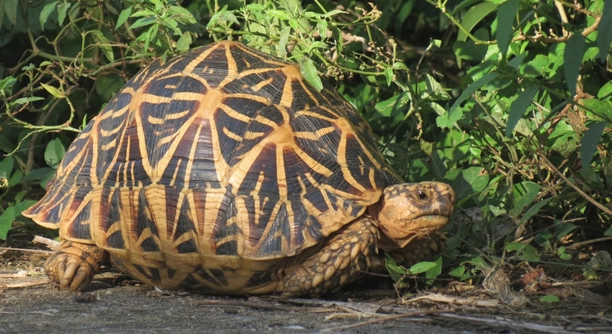
Is your Indian star tortoise not gaining weight despite your best efforts? Many tortoise owners face this issue and wonder if something is wrong. Understanding the reasons behind slow weight gain can help you take the right steps.
The most common reason your Indian star tortoise is not gaining weight is an improper diet. A lack of essential nutrients, insufficient food intake, or an unbalanced feeding schedule can prevent healthy growth. Other factors include stress, illness, or incorrect habitat conditions.
A tortoise’s weight is an important indicator of its health. Learning about proper diet, habitat setup, and common health concerns can help ensure steady growth.
Common Reasons for Slow Weight Gain
A poor diet is the main reason your Indian star tortoise may not be gaining weight. These tortoises need a high-fiber, low-protein diet with plenty of leafy greens. Feeding too many fruits or protein-rich foods can lead to digestive issues and slow growth. Hydration is also important since dehydration affects digestion and appetite. If your tortoise’s diet lacks variety, it may not be getting the necessary nutrients for steady weight gain. A lack of UVB lighting can also interfere with calcium absorption, leading to weak bones and reduced appetite. Temperature plays a role as well—if the enclosure is too cold, digestion slows down, making it harder for your tortoise to gain weight.
Stress can prevent your tortoise from eating properly. A noisy environment, frequent handling, or a new enclosure setup can make it feel unsafe. Ensuring a calm and stable habitat can help improve its appetite.
If diet and environment seem fine, health issues could be the problem. Parasites, respiratory infections, or metabolic bone disease may affect weight gain. If your tortoise remains underweight despite proper care, a vet check-up may be necessary.
How to Help Your Tortoise Gain Weight
A proper feeding schedule helps with steady weight gain. Offer fresh, high-fiber foods daily and remove uneaten food to maintain hygiene. Proper hydration is essential, so provide clean water and soak your tortoise regularly to prevent dehydration.
Creating an ideal habitat ensures good digestion and appetite. The enclosure should have warm basking spots, proper UVB lighting, and a stable environment. Avoid sudden changes in temperature or humidity, as they can affect feeding behavior. Hiding spots can help your tortoise feel secure, reducing stress-related weight loss.
Regular health checks are important for identifying underlying issues. Monitor your tortoise’s weight weekly to track progress. Signs like lethargy, runny nose, or unusual droppings may indicate illness. If your tortoise continues to struggle with weight gain despite proper care, consulting a reptile vet is the best step.
Importance of Proper Hydration
Dehydration can slow weight gain and cause health problems. Indian star tortoises need access to clean water and regular soaking to stay hydrated. Dry environments or lack of water can lead to poor digestion, making it harder for them to absorb nutrients from their food.
A shallow water dish should always be available in the enclosure. Soaking your tortoise two to three times a week in lukewarm water helps with hydration and digestion. If the environment is too dry, misting the enclosure occasionally can help maintain proper humidity. Signs of dehydration include sunken eyes, dry skin, and reduced activity. If your tortoise shows these symptoms, increasing water intake is necessary.
A well-hydrated tortoise will have a better appetite and improved digestion. Proper hydration supports kidney function, prevents bladder stones, and helps with overall energy levels. Ensuring fresh water and regular soaking can make a noticeable difference in weight gain.
Adjusting Habitat Conditions
Temperature and humidity levels affect digestion and appetite. The basking area should be around 90-95°F, while the cooler side should be 75-80°F. A stable environment helps the tortoise feel comfortable, promoting regular eating habits and steady weight gain. Sudden temperature drops can slow metabolism and reduce appetite.
Lighting plays a major role in your tortoise’s health. UVB light is essential for calcium absorption and bone strength. Without it, your tortoise may develop metabolic bone disease, which can lead to weakness and a lack of appetite. UVB bulbs should be replaced every six months to maintain effectiveness.
A comfortable enclosure reduces stress and encourages healthy eating. Provide hiding spots, a spacious area to roam, and a substrate that holds humidity without being too damp. Ensuring a well-maintained habitat will help your tortoise feel secure, improving its overall health and weight gain.
Identifying Health Issues
Parasites can prevent weight gain by interfering with digestion. Symptoms include diarrhea, weight loss, and a bloated appearance. A vet can perform tests to check for parasites and prescribe treatment if necessary. Regular fecal exams help catch these issues early and keep your tortoise healthy.
Respiratory infections can also affect appetite and weight. Signs include wheezing, nasal discharge, and lethargy. Cold temperatures or poor enclosure conditions can weaken the immune system, making infections more likely. If your tortoise shows symptoms, a vet visit is necessary to prevent further complications.
Monitoring Growth Progress
Weighing your tortoise weekly helps track progress. Use a digital scale and record the weight in a notebook. Small fluctuations are normal, but consistent weight loss or stagnation may indicate an issue. Monitoring weight regularly makes it easier to notice problems early and adjust care if needed.
When to See a Vet
If your tortoise refuses food for weeks, shows signs of illness, or has unusual behavior, a vet visit is necessary. Early intervention can prevent serious health problems. A reptile vet can assess diet, habitat conditions, and overall health to determine the best course of action for proper weight gain.
FAQ
How often should I feed my Indian star tortoise?
Feed daily with a mix of high-fiber greens, such as dandelion, collard greens, and hibiscus leaves. Avoid overfeeding fruits, as too much sugar can cause digestive issues. Providing fresh food in the morning allows your tortoise to eat throughout the day.
Can stress affect my tortoise’s weight gain?
Yes, stress can reduce appetite and slow weight gain. Loud noises, frequent handling, or sudden habitat changes can make your tortoise feel unsafe. Providing hiding spots, maintaining a consistent routine, and minimizing disturbances help create a stress-free environment, encouraging healthy eating habits.
What are signs that my tortoise is underweight?
A thin body, visible bones, and a soft shell can indicate an underweight tortoise. A healthy tortoise should have a firm shell and a well-rounded body. If weight loss continues despite proper care, a vet check-up is recommended to rule out health issues.
Does temperature affect my tortoise’s ability to gain weight?
Yes, low temperatures can slow metabolism, making digestion less efficient. The basking area should be 90-95°F, while the cooler side should be 75-80°F. If the enclosure is too cold, your tortoise may eat less, leading to weight loss or slow growth.
How can I tell if my tortoise is dehydrated?
Sunken eyes, dry skin, and a lack of energy are common signs of dehydration. A well-hydrated tortoise will have bright, alert eyes and smooth skin. Providing fresh water daily and soaking your tortoise two to three times a week helps prevent dehydration.
Should I offer supplements to help with weight gain?
Calcium and vitamin D3 supplements support shell and bone health, which indirectly helps with weight gain. Dusting food with calcium powder two to three times a week ensures proper nutrition. However, over-supplementing can be harmful, so follow recommended guidelines.
Why is my tortoise refusing to eat?
A tortoise may refuse food due to stress, illness, improper temperatures, or a poor diet. Ensure the habitat is at the right temperature and humidity levels. If your tortoise still refuses food for more than a week, a vet visit may be necessary.
Can an improper diet cause weight loss?
Yes, a diet lacking essential nutrients can lead to poor growth. Indian star tortoises need a fiber-rich, low-protein diet with plenty of leafy greens. Avoid high-protein foods, as they can cause kidney problems. A well-balanced diet supports healthy weight gain.
How often should I weigh my tortoise?
Weighing your tortoise once a week helps track progress. Use a digital scale for accuracy and record the weight in a notebook. A small weight fluctuation is normal, but consistent weight loss or stagnation may indicate an issue that needs attention.
Is it normal for my tortoise’s weight to fluctuate?
Minor weight changes are normal, especially after eating or passing waste. However, continuous weight loss or failure to gain weight over time may indicate a problem. Monitoring weight regularly helps detect potential health concerns early.
What role does UVB lighting play in weight gain?
UVB lighting helps with calcium absorption, which is essential for bone development and overall health. Without proper UVB exposure, your tortoise may experience weak bones, a soft shell, and reduced appetite, all of which can impact weight gain.
Can parasites prevent my tortoise from gaining weight?
Yes, internal parasites can interfere with digestion and nutrient absorption, leading to weight loss. Symptoms include diarrhea, bloating, and lethargy. Regular fecal exams by a vet can help detect and treat parasites before they cause serious health issues.
Should I adjust my tortoise’s diet as it grows?
Yes, young tortoises require more frequent feedings and a varied diet rich in calcium and fiber. As they grow, portion sizes may need adjustment. Monitoring weight and shell development helps determine if dietary changes are necessary.
When should I take my tortoise to the vet?
If your tortoise refuses food for weeks, loses weight rapidly, or shows signs of illness like lethargy or runny nose, a vet visit is necessary. Regular check-ups help detect health issues early, ensuring your tortoise stays healthy and gains weight properly.
Final Thoughts
Helping your Indian star tortoise gain weight requires proper care, a balanced diet, and a suitable environment. Ensuring your tortoise receives enough fiber-rich greens, access to clean water, and the right temperature settings will support steady growth. Regularly monitoring weight and observing eating habits can help identify any issues early. If your tortoise is not gaining weight despite proper care, stress or underlying health problems may be the cause. Small changes in diet, hydration, and habitat conditions can make a big difference in your tortoise’s overall health.
Maintaining a stress-free environment is just as important as providing the right nutrition. Loud noises, frequent handling, or sudden changes in the enclosure can cause your tortoise to feel unsafe, leading to reduced appetite. Creating a stable routine with a comfortable space to explore and hide can encourage regular eating habits. If symptoms like lethargy, diarrhea, or weight loss persist, consulting a reptile vet is the best way to address potential health concerns. Early detection of issues such as parasites, respiratory infections, or metabolic bone disease can prevent more serious complications.
Caring for an Indian star tortoise takes patience and consistency. Regular check-ups, proper UVB lighting, and a well-balanced diet will help maintain steady weight gain and overall well-being. Every tortoise is different, so paying attention to individual behaviors and preferences can make it easier to adjust care when needed. Keeping a feeding and weight log can be useful in tracking progress and identifying any patterns. With the right care, your tortoise can grow at a healthy rate and live a long, thriving life.

Hello,
If you enjoy the content that we create, please consider saying a "Thank You!" by leaving a tip.
Every little bit helps us continue crafting quality advice that supports the health, happiness, and well-being of pets around the world, for pets of all shapes, sizes, and species.
We really appreciate the kindness and support that you show us!