
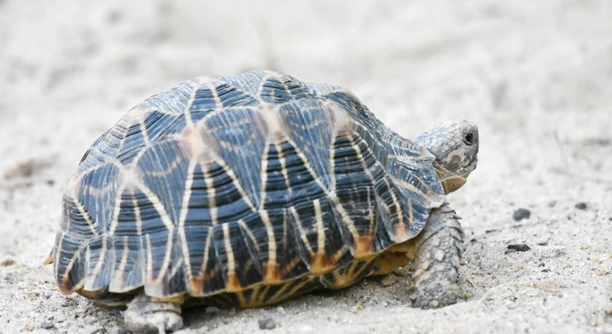
Are you concerned that your Indian Star Tortoise spends too much time resting in its water bowl?
Your Indian Star Tortoise may rest in its water bowl for various reasons, such as seeking comfort, hydration, or regulating its temperature. It could also be a sign of stress, illness, or environmental discomfort that needs attention.
Understanding the factors affecting your tortoise’s behavior can help you create a more suitable environment for its well-being. Keep reading to find out more about why this happens and how you can assist your pet.
Why Does My Tortoise Rest in Its Water Bowl?
Your Indian Star Tortoise might rest in its water bowl because it is seeking a cool place to regulate its body temperature. In nature, tortoises often cool off by soaking in water, especially in warmer climates. If your home is too hot or the habitat isn’t humid enough, your tortoise may turn to its water bowl to maintain comfort. This behavior can be common, especially in the warmer months when they need a cooler spot to rest. However, if the water is too shallow or warm, it could cause problems. Make sure the water bowl is appropriately sized and filled with fresh water to prevent any issues.
Water is also crucial for hydration. Tortoises typically don’t drink much water, but soaking helps them stay hydrated. If they are not getting enough water from their diet, they might use the bowl more often. It’s important to provide them with proper hydration options.
While resting in the water bowl is natural, make sure your tortoise isn’t using it to escape a habitat issue, such as improper temperature or humidity. Ensure the tank is appropriately heated, and the basking area is warm enough for your pet to thrive. Always check the water temperature and make adjustments to its surroundings if needed.
Signs Your Tortoise May Be Stressed
Stress can also make your tortoise retreat to its water bowl more often.
Environmental stressors like loud noises, a lack of hiding spots, or poor living conditions can overwhelm your tortoise. It’s essential to observe your pet’s behavior and surroundings carefully. A stressed tortoise may act out by spending more time in its water bowl as it looks for comfort or safety. Temperature fluctuations can add to the discomfort, so it’s vital to keep the tank’s environment stable. If you notice other signs like loss of appetite, lethargy, or changes in behavior, it could indicate stress. Proper care and a peaceful environment are crucial for maintaining your tortoise’s health and happiness.
Temperature and Humidity Issues
If the temperature and humidity levels in the enclosure are off, your tortoise may spend more time in the water bowl. Tortoises rely on specific conditions to feel comfortable. Too much heat or too little humidity can stress them out.
To maintain the right conditions, use a thermometer and hygrometer to check both temperature and humidity. The basking area should be around 95°F, while the cooler side of the enclosure should be around 75°F. A humidity level of 50-60% is ideal for your tortoise. If these factors are out of balance, it could explain why your tortoise prefers to stay in its water bowl.
Make sure the water in the bowl is fresh and at room temperature. Too hot or too cold water may make your tortoise uncomfortable, causing it to seek refuge in the bowl more often. Keep the water level shallow so your tortoise can easily get in and out without struggling.
Health Concerns
Health issues could be another reason your tortoise is resting in its water bowl. If a tortoise feels unwell, it may seek out cooler, more comfortable spots to rest. Dehydration, for example, might encourage a tortoise to stay in its water bowl for longer periods.
Signs of dehydration in tortoises include sunken eyes, dry skin, and reduced activity. If your tortoise is dehydrated, ensure it has access to fresh water daily. A tortoise that consistently stays in the water may need more hydration than its diet alone provides. Check for other signs of illness, such as changes in appetite or behavior.
Tortoises are also prone to respiratory infections or shell problems, which may lead them to seek out moisture. If you notice other unusual symptoms, it’s important to consult a veterinarian familiar with reptiles.
Size of the Water Bowl
The size of the water bowl can affect how often your tortoise rests in it. A bowl that is too large may encourage the tortoise to spend more time in it, especially if it feels safe and comfortable there.
If the bowl is too deep or wide, it could also cause stress. Tortoises need to feel secure in their surroundings, and an oversized bowl might feel overwhelming. A shallow, appropriately-sized water bowl allows your tortoise to drink, soak, and leave comfortably without spending too much time in it.
Proper Lighting
Lighting plays a significant role in your tortoise’s health and behavior. If your tortoise isn’t getting enough UVB light, it might feel sluggish and stay in the water bowl more often. Proper UVB lighting helps tortoises metabolize calcium and maintain healthy shell growth.
Inadequate lighting can lead to weak bones, poor appetite, and a lack of energy, causing your tortoise to look for a place where it feels more comfortable, like the water bowl. Ensure your tortoise has access to the right type of lighting, and check the bulbs regularly to make sure they’re functioning properly.
Diet and Hydration
Your tortoise’s diet plays a big role in its hydration habits. If your tortoise isn’t getting enough moisture from its food, it may compensate by spending more time in the water bowl.
Leafy greens, such as collard greens, dandelion greens, and lettuce, should make up a large portion of your tortoise’s diet. These provide essential hydration as well as nutrition. Additionally, offering a variety of vegetables and fruits, such as cucumber or watermelon, can help increase hydration. Ensure your tortoise is getting the proper amount of nutrients to reduce the need to rely on the water bowl.
FAQ
Why is my tortoise staying in its water bowl all day?
If your tortoise is spending the majority of its time in the water bowl, it might be struggling with temperature or humidity levels in its environment. Tortoises often seek water for cooling, hydration, or comfort, especially when the conditions around them are not ideal. Check that the temperature is not too hot or too cold in the tank, and make sure the humidity is at the right level for your tortoise species. Additionally, it may be a sign of stress or health issues, such as dehydration, which would make it spend more time in the water.
Is it normal for my tortoise to soak in water often?
Yes, it is normal for tortoises to soak in water, especially if they need to hydrate. While tortoises do not drink much water in the wild, they absorb moisture through their skin. If your tortoise is soaking often, it might need more hydration or cooler temperatures. However, if the soaking becomes excessive, it could be a sign of an underlying health problem, like dehydration or a respiratory infection, and you may need to adjust its care or consult a vet.
Can I put my tortoise in the water bowl for soaking?
Yes, you can place your tortoise in the water bowl for soaking, but ensure that the water is at the correct temperature and the bowl is shallow enough to allow the tortoise to climb in and out easily. Most tortoises enjoy soaking for hydration or to help with shedding, but you should not leave them in water for long periods. Monitor the tortoise to make sure it doesn’t become stressed or overexerted. If the tortoise remains in the water for too long or acts lethargic, it could be a sign that something is wrong.
What temperature should my tortoise’s water be?
The water should be at room temperature, about 70-80°F (21-27°C). If it is too hot or too cold, your tortoise may avoid it, or it could lead to health issues like dehydration or stress. Always check the water before letting your tortoise soak in it, as improper water temperature can make the experience uncomfortable or even harmful.
How do I know if my tortoise is dehydrated?
Dehydration in tortoises can be tricky to spot, but there are some signs you can look for. Sunken eyes, dry or flaky skin, lethargy, and a decrease in appetite are common symptoms. If your tortoise isn’t drinking from its water bowl and spends a lot of time soaking, it might be a sign that it’s not hydrated enough. Always provide fresh water and encourage your tortoise to drink by offering moist food, such as leafy greens or fruits like watermelon.
Can the water bowl be too small for my tortoise?
Yes, a water bowl that is too small can limit your tortoise’s ability to soak comfortably or drink enough water. Ensure that the bowl is large enough for your tortoise to enter and soak its entire body if it wishes. However, it should not be too deep or too wide, as this could cause stress or make it difficult for your tortoise to get in and out. A shallow bowl that’s easy to climb in and out of is ideal.
Should I be worried if my tortoise spends all of its time in the water?
If your tortoise spends all of its time in the water, it could be a sign of a health issue, like stress, dehydration, or improper environmental conditions. First, check that the temperature and humidity in the enclosure are suitable for your species of tortoise. If the environmental factors are correct and the tortoise still behaves this way, consider a visit to the vet. It’s important to ensure that your tortoise is not overexerting itself or suffering from an illness that could be affecting its behavior.
How often should I change my tortoise’s water?
You should change your tortoise’s water at least once a day, especially if it’s used for soaking or drinking. Stagnant water can lead to the growth of bacteria, which may cause health problems for your tortoise. Ensure the water is fresh and clean, and always use a shallow dish so your tortoise can drink from it without difficulty. If your tortoise spends a lot of time in the water, clean the bowl more frequently to maintain proper hygiene.
Can a water bowl be harmful to my tortoise?
A water bowl can be harmful if it’s too deep or if the water is dirty. A deep water bowl can make it difficult for your tortoise to climb out, leading to stress or even drowning in extreme cases. Make sure the bowl is shallow enough to allow your tortoise to get in and out easily. Also, always provide fresh, clean water to prevent bacterial growth that could harm your tortoise.
Does my tortoise need a water bowl if it eats wet food?
Yes, even if your tortoise eats wet food or moisture-rich vegetables, it still needs access to fresh water. While some moisture in food can help hydrate your tortoise, it’s important to offer a water bowl to ensure proper hydration. Tortoises need access to water for soaking, hydration, and skin care. Make sure the water is always available and clean for your tortoise to use.
Final Thoughts
Understanding why your Indian Star Tortoise spends so much time in its water bowl is important for ensuring its health and comfort. While it’s normal for tortoises to soak in water to hydrate or regulate body temperature, excessive time spent in the water may be a sign of an underlying issue. Whether it’s an environmental factor, health concern, or stress, recognizing the signs early can help you take the necessary steps to support your tortoise’s well-being.
If your tortoise is spending a lot of time in its water bowl, it’s essential to assess its living conditions. Check that the temperature and humidity in the tank are at appropriate levels for your tortoise species. Tortoises need a basking area with a temperature of around 95°F and a cooler side of the enclosure at about 75°F. Maintaining the right humidity levels is also key, especially for species like the Indian Star Tortoise that require moderate humidity to thrive. These environmental factors play a significant role in your tortoise’s behavior and overall health.
In addition to environmental conditions, you should keep an eye on your tortoise’s diet and hydration. Make sure it’s eating a well-balanced diet with moisture-rich foods like leafy greens and certain fruits. Regular access to clean, fresh water is crucial. If your tortoise continues to stay in its water bowl more than usual, or if you notice other concerning signs like loss of appetite or lethargy, it’s a good idea to consult with a veterinarian. Monitoring your tortoise’s behavior and maintaining its environment properly will help keep it healthy and happy in the long term.

Hello,
If you enjoy the content that we create, please consider saying a "Thank You!" by leaving a tip.
Every little bit helps us continue crafting quality advice that supports the health, happiness, and well-being of pets around the world, for pets of all shapes, sizes, and species.
We really appreciate the kindness and support that you show us!