
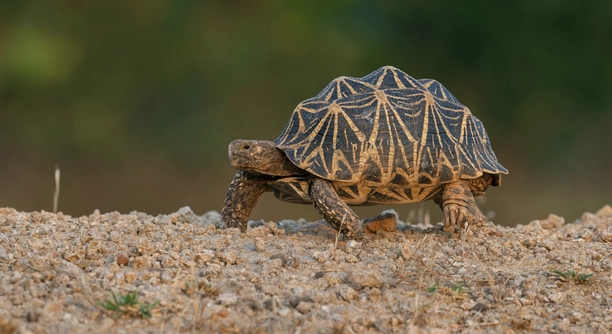
Indian star tortoises are known for their unique and endearing behavior. You may notice your tortoise yawning often, which can sometimes leave you wondering why. Understanding the reasons behind this can help ensure their well-being.
Yawning in Indian star tortoises is typically a natural behavior, often related to stretching their muscles or adjusting their jaw. However, it can also signal potential health concerns, such as respiratory issues or stress, depending on the context.
Knowing the reasons behind this behavior can help you provide the best care for your tortoise. Read on to learn how to address any concerns and ensure their comfort.
Why Does My Indian Star Tortoise Yawn?
Yawning is a natural and common behavior in many animals, including Indian star tortoises. When you observe your tortoise yawning, it is often simply stretching its jaw or muscles. This is especially true after waking from a nap or moving around. Tortoises may yawn several times throughout the day without it being a cause for concern. However, if the yawning seems excessive or is accompanied by other unusual behaviors, it’s essential to consider other factors that may be at play. It’s always helpful to monitor their environment and check for any changes in their behavior.
If your tortoise is yawning frequently or in a manner that appears strained, it could be a sign of stress or discomfort. An environment that is too hot, too cold, or lacks adequate space for movement can lead to stress, making your tortoise yawn more than usual. Another possible cause is respiratory issues, such as a mild infection or a more serious condition. In these cases, it’s essential to observe other symptoms like nasal discharge, wheezing, or lethargy.
Be sure to provide a comfortable and well-regulated environment for your tortoise. Ensuring a consistent temperature range and allowing ample space for movement can help reduce stress. If symptoms persist or worsen, consulting a veterinarian who specializes in reptiles is the best course of action.
Stress and Its Effect on Your Tortoise
Stress is a leading cause of yawning in tortoises. The lack of proper care can result in behavioral changes like excessive yawning.
Tortoises, particularly the Indian star variety, thrive in environments that closely resemble their natural habitat. Any disruption in their surroundings, such as improper temperature, humidity, or light, can lead to stress. If your tortoise’s enclosure is too small or doesn’t allow for proper exercise, it can contribute to restlessness and yawning. Ensure your tortoise has a proper basking area, hiding spots, and enough space to roam.
Apart from environmental factors, changes in routine or handling can also induce stress. A tortoise that is handled too often or not given enough time to adjust may show signs of anxiety through behaviors like yawning. Ensuring that your tortoise feels safe and undisturbed is crucial for its overall health. With proper care and attention, you can minimize stress and prevent excessive yawning. If stress persists, it’s a good idea to consult a veterinarian to rule out other potential health issues.
Respiratory Issues and Yawning
Respiratory infections can cause yawning in tortoises, especially if it is accompanied by other symptoms such as nasal discharge or wheezing. Respiratory illnesses are common in tortoises and can be triggered by a variety of factors, including improper humidity and temperature.
A tortoise’s respiratory system is sensitive to changes in its environment. If the enclosure is too cold or lacks humidity, it can make breathing difficult and cause yawning. In some cases, the yawning may be a sign that your tortoise is struggling to get enough air. It’s important to monitor the temperature and humidity levels in their habitat and adjust them if needed. If the issue persists, a vet specializing in reptiles can assess your tortoise and provide treatment if necessary.
Long-term exposure to poor conditions can lead to more serious respiratory issues, including pneumonia. Keep an eye on your tortoise for any other symptoms such as wheezing or lethargy. Proper care and regular health check-ups are key to maintaining a healthy tortoise.
The Importance of a Balanced Diet
A well-balanced diet plays a crucial role in your tortoise’s health. Lack of proper nutrition can cause weakness and discomfort, leading to behaviors like yawning.
A varied diet that includes leafy greens, vegetables, and some fruits is essential for an Indian star tortoise. Offering a selection of high-quality food ensures your tortoise receives the necessary nutrients for energy and good health. Overfeeding or providing the wrong foods, like those with high oxalate content, can also cause problems. Excessive yawning can be a sign that your tortoise isn’t feeling well due to a poor diet.
In addition to providing a balanced diet, make sure your tortoise has access to clean water at all times. Proper hydration is just as important as the right foods. Monitor your tortoise’s eating habits to ensure it’s getting the right nutrients and adjust accordingly if needed.
Overhandling and Its Effects
Excessive handling of your tortoise can lead to stress, causing it to yawn more often. Tortoises are naturally more comfortable when left to explore on their own.
Overhandling disrupts their natural behavior and can make them feel threatened. If your tortoise seems more stressed after handling, reduce the frequency. Allow them to relax in their habitat to prevent yawning and other signs of stress.
Dehydration and Yawning
Dehydration can cause your tortoise to act sluggish and yawn more frequently. Ensure that your tortoise always has access to clean water.
Without proper hydration, your tortoise’s body functions slow down. Lack of water can lead to more noticeable yawning and discomfort. Adjust their water intake as needed and ensure it is always fresh.
Checking for Illness
If yawning persists, it’s important to check for signs of illness. Infections, parasites, or other health conditions could be contributing to abnormal behavior. Keep a close watch for other symptoms.
Carefully observe your tortoise’s behavior for any signs of illness, such as lack of appetite, lethargy, or labored breathing. If any of these appear alongside yawning, it’s time for a vet visit to rule out any potential problems. Early intervention is key.
FAQ
Why does my tortoise yawn so much?
Frequent yawning in tortoises can be a natural behavior. It is usually a sign of stretching muscles or a way for them to relieve tension. However, if it’s excessive or accompanied by other signs like respiratory distress or lethargy, it could indicate stress, discomfort, or even a health issue. Regular observation of your tortoise’s behavior will help identify if there’s any cause for concern.
Can yawning in tortoises be a sign of illness?
Yes, excessive yawning can sometimes be a sign of illness, especially if it is accompanied by other symptoms such as nasal discharge, wheezing, or a decrease in appetite. Respiratory infections are common in tortoises, and yawning could indicate that they are struggling to breathe. If you notice other unusual signs, it’s best to consult a reptile vet for further examination.
How can I tell if my tortoise is stressed?
Stress in tortoises can be indicated by behaviors such as frequent yawning, hiding, refusal to eat, and excessive pacing. Stress is often caused by improper environmental conditions, such as incorrect temperatures, humidity levels, or lack of space. It can also occur from overhandling or sudden changes in their surroundings. Ensuring a comfortable habitat and minimizing handling can help reduce stress.
What temperature should my tortoise’s enclosure be?
For an Indian star tortoise, the basking area should be between 95-100°F (35-38°C), while the cooler side of the enclosure should be around 75-80°F (24-27°C). It is crucial to maintain a proper temperature gradient so your tortoise can regulate its body temperature. Inadequate heating or cooling can lead to stress and health issues, causing behavior like excessive yawning.
Does my tortoise need UVB light?
Yes, UVB light is essential for your tortoise’s health. It helps them metabolize calcium, preventing metabolic bone disease. Ensure that your tortoise’s enclosure is equipped with a UVB bulb that is suitable for reptiles. The UVB light should be on for 10-12 hours a day, and make sure it’s replaced every 6-12 months to maintain effectiveness.
How much should I feed my tortoise?
Tortoises should be fed a balanced diet that includes a variety of leafy greens, vegetables, and some fruits. The amount you feed will depend on the size and age of your tortoise, but a general guideline is to offer food once a day or every other day. Make sure to remove any uneaten food after a few hours to prevent spoilage. Overfeeding can lead to obesity, while underfeeding may cause malnutrition, both of which could contribute to abnormal behaviors like yawning.
What should I do if my tortoise is yawning and not eating?
If your tortoise is yawning excessively and refusing food, this could be a sign of a health problem. It may be dealing with stress, illness, or environmental issues. First, check the habitat’s temperature, humidity, and space. If everything seems fine, it’s best to take your tortoise to a vet to rule out any health conditions, such as respiratory infections or parasites.
How can I reduce stress in my tortoise?
To reduce stress, ensure that your tortoise’s enclosure is large enough for movement and has the correct temperature and humidity levels. Avoid handling your tortoise too often, as this can cause anxiety. Provide hiding spots and areas for your tortoise to retreat to if it feels threatened. Regularly check for signs of discomfort or illness and address any potential issues promptly.
Can yawning be caused by dehydration in my tortoise?
Yes, dehydration can lead to yawning in tortoises, as it can cause sluggishness and discomfort. Make sure your tortoise always has access to fresh, clean water. You can also provide occasional baths to help with hydration. Dehydration can lead to other health issues, so it’s important to keep an eye on your tortoise’s water intake.
Is yawning common in all tortoises?
Yawning is common in most tortoise species, not just the Indian star tortoise. Like many animals, yawning serves to stretch muscles and regulate body temperature. However, the frequency and reasons behind yawning can vary between species. Observing your tortoise’s behavior and habits is key to understanding if the yawning is normal or if it points to something that needs attention.
What are other signs that my tortoise may be sick?
In addition to excessive yawning, other signs that your tortoise might be sick include nasal discharge, wheezing, lethargy, refusal to eat, abnormal stool, or swelling. If you notice any of these symptoms, it’s important to take your tortoise to a veterinarian as soon as possible. Early detection can help prevent more serious health issues.
Can yawning indicate a respiratory infection?
Yes, yawning can be a sign of a respiratory infection in tortoises, especially if it’s accompanied by other symptoms like nasal discharge or labored breathing. Respiratory infections can be caused by environmental stressors such as poor temperature or humidity. If you suspect a respiratory infection, a visit to the vet is crucial for proper diagnosis and treatment.
What should I do if my tortoise is yawning and seems lethargic?
If your tortoise is yawning excessively and appears lethargic, it could be a sign of illness, stress, or an environmental issue. Check the temperature and humidity in the enclosure to ensure it’s optimal. If your tortoise’s behavior doesn’t improve, schedule a vet visit to rule out any health problems.
Final Thoughts
Understanding the reasons behind your Indian Star Tortoise’s yawning can help you ensure its well-being. While occasional yawning is normal for tortoises, excessive yawning or combined with other signs like lethargy or a lack of appetite may suggest stress or health issues. It’s important to observe your tortoise carefully and maintain a suitable environment to minimize stress. A proper temperature, humidity, and adequate space are key factors in ensuring your tortoise feels secure and comfortable in its habitat.
Additionally, handling should be done with care and limited to avoid stress. Overhandling can make your tortoise feel threatened, leading to more yawning and signs of discomfort. Tortoises generally prefer to be left alone to explore their environment, so providing a calm, quiet space for them to roam can help reduce anxiety. It’s essential to create a balanced routine for feeding, hydration, and care, as this promotes a healthier, more content tortoise. Avoiding sudden changes in their environment or diet is also important to prevent unnecessary stress.
Finally, regular checkups with a veterinarian are essential for ensuring your tortoise’s long-term health. If yawning persists or is accompanied by other symptoms, consulting a professional will help address potential health concerns early. By closely monitoring your tortoise’s behavior and creating a stable, comfortable environment, you can reduce the chances of it yawning excessively due to illness or discomfort. Maintaining this routine will help your tortoise thrive and live a healthier, more peaceful life.

Hello,
If you enjoy the content that we create, please consider saying a "Thank You!" by leaving a tip.
Every little bit helps us continue crafting quality advice that supports the health, happiness, and well-being of pets around the world, for pets of all shapes, sizes, and species.
We really appreciate the kindness and support that you show us!