
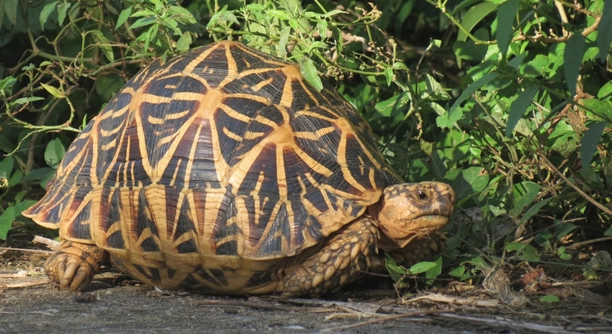
If your Indian Star Tortoise refuses to bask under its lamp, it could be due to several factors. These include health issues, environmental concerns, or even incorrect setup of the basking area. Understanding the cause is essential.
The most common reason for a tortoise to avoid basking is improper temperature or lighting. A basking spot that is too hot or too cold can discourage your tortoise from using it, affecting its overall behavior and health.
Understanding the environmental factors at play can help you ensure a proper setup. Addressing these issues can create a more comfortable space for your tortoise to thrive.
The Importance of Proper Temperature and Lighting
One of the main reasons your Indian Star Tortoise may be refusing to bask under its lamp is an incorrect temperature or light setup. These tortoises need a heat source that mimics their natural habitat. A basking spot that is too hot or too cold can make them uncomfortable. If the basking area is too hot, it can cause them to seek cooler spots, while a basking spot that is too cold may discourage them from using it altogether. Additionally, the light intensity should be strong enough to provide adequate UVB exposure, which is crucial for their overall health. Without this, they may avoid basking due to lack of comfort or even because they are not getting the UVB rays they need to stay healthy.
Maintaining the proper basking temperature (around 90-95°F) and ambient temperature (75-85°F) can help prevent your tortoise from avoiding the lamp. Be sure to monitor the temperature regularly using a reliable thermometer.
In addition to the right temperature, the light bulb itself can make a significant difference. If your tortoise’s light bulb is too old or not providing the correct type of light, it can affect its basking behavior. Replace the bulb every six months to ensure it’s giving off the necessary UVB radiation for your tortoise. When setting up your basking area, always test the temperature before placing your tortoise in the enclosure to avoid shocking it with a too-hot or too-cold environment.
Health Concerns to Watch For
Health issues may also play a role in your tortoise avoiding its basking spot. If your tortoise is feeling unwell or stressed, it may refuse to bask under its lamp. Illness or discomfort can cause it to seek shelter in cooler, darker areas. Check for signs of respiratory infections, eye problems, or shell issues, all of which can cause a tortoise to withdraw from its basking area. Keeping an eye on your tortoise’s behavior and any changes in appetite or activity levels is essential.
Stress is another potential issue. Stress can result from a variety of factors, such as frequent handling, a noisy environment, or the presence of other animals in the vicinity. If your tortoise is feeling overwhelmed, it may try to avoid the basking area. Keep the environment calm and quiet to reduce stress. Proper hydration and feeding habits also contribute to a healthier, more comfortable tortoise that will be more inclined to bask. Be sure to monitor these factors carefully to maintain your tortoise’s health and well-being.
Inadequate Basking Spot Setup
The basking spot needs to be the right size and placed properly. If it’s too small or awkwardly positioned, your tortoise may avoid using it. Ensure the spot allows your tortoise to comfortably bask and move around.
The light should be placed at a height where your tortoise can get close to it but not feel overheated. Too high, and it won’t provide sufficient warmth; too low, and it might be too intense for your tortoise to comfortably bask in. Ensure the basking area is well-lit and well-ventilated to promote a healthy environment. The ideal setup is a spacious area with easy access to both the heat and light.
When setting up the basking spot, make sure there are no obstacles in the way. A clear, unobstructed space helps your tortoise feel more secure in using the area. If the spot is cluttered or hard to reach, it could discourage your tortoise from using it.
Environmental Stress Factors
Environmental stress is another factor that can affect basking behavior. Your tortoise’s habitat should be calm and quiet, as too much noise or movement can cause stress and make it avoid basking.
A stressful environment can lead to changes in behavior, such as withdrawing to cooler or darker places. If your tortoise feels unsafe or threatened, it may try to avoid basking altogether. Keeping the area peaceful and undisturbed, especially during the tortoise’s active hours, can help reduce stress. Limit handling and avoid placing your tortoise in areas with frequent movement.
Overcrowding is also a significant stressor. Too many animals in the same space, or sharing with more aggressive species, can create anxiety. Be mindful of the environment’s overall atmosphere to reduce unnecessary stress. The more relaxed your tortoise feels, the more likely it is to bask under its lamp.
Wrong Type of Light Bulb
Using the wrong type of light bulb can make your tortoise avoid basking under it. A bulb without the correct UVB radiation will fail to provide the essential benefits your tortoise needs.
If the light bulb does not emit enough UVB light, your tortoise will not get the necessary vitamins. Without proper UVB exposure, your tortoise may not be able to absorb calcium properly, leading to health issues. Make sure to use a bulb designed specifically for reptiles, as these are tailored to meet their lighting needs. Regularly replacing the bulb will help maintain its effectiveness.
Humidity Levels
Humidity can also affect your tortoise’s behavior. If the humidity is too low, your tortoise might avoid basking as it seeks a more comfortable environment.
Tortoises need a balanced humidity level to stay hydrated and healthy. Too little moisture in the air can cause dehydration and respiratory problems, which will lead your tortoise to hide in cooler areas. Maintaining a stable level of humidity in their habitat is crucial for comfort. Use a hygrometer to monitor humidity levels and adjust accordingly.
FAQ
Why isn’t my tortoise basking even though the temperature seems correct?
Sometimes, the temperature may seem right, but other factors are at play. The basking spot might not be comfortable enough, or the light intensity might be too low or too high. Check the light bulb’s effectiveness and the distance between the bulb and your tortoise. Make sure the temperature gradient in the enclosure is consistent and that the basking area is warm enough but not too hot. If the environment is too cool, your tortoise might be avoiding the basking spot to maintain its preferred temperature. Also, stress can cause your tortoise to avoid basking.
How do I know if my tortoise is stressed?
Signs of stress in tortoises include hiding more than usual, refusal to eat, or becoming unusually aggressive. If your tortoise is hiding in dark corners or staying inactive, it may feel threatened. Stress can also show through physical signs like pacing or excessive scratching. Environmental factors such as loud noises, other pets, or overcrowding can contribute to stress. Ensuring a calm and peaceful space will help your tortoise feel safe and secure. Pay attention to any changes in its behavior and try to identify the source of the stress.
Is my tortoise sick if it’s not basking?
Not necessarily, but it’s a possibility. If your tortoise is avoiding basking, it could be due to illness or discomfort. Common health issues that might cause this behavior include respiratory infections, shell problems, or parasites. Look for signs like a runny nose, watery eyes, or lethargy. If your tortoise shows any of these symptoms, it’s essential to visit a vet. However, sometimes your tortoise might simply be adjusting to a new environment or temperature settings. Always monitor your tortoise’s behavior closely and check for any physical signs of health issues.
How can I encourage my tortoise to bask?
To encourage your tortoise to bask, first ensure that the basking area is properly set up. Check the temperature, light intensity, and humidity levels to make sure they’re optimal. Ensure the basking spot is large enough for your tortoise to move around freely. Try offering a comfortable, quiet environment to reduce stress. Avoid placing the tortoise in areas with excessive noise or distractions. If needed, gently place your tortoise near the basking spot to show it the area is safe and comfortable. With a proper setup, your tortoise should be more likely to bask.
Can I use a regular light bulb for my tortoise?
Regular light bulbs are not sufficient for your tortoise. Reptile-specific bulbs are designed to provide the necessary heat and UVB rays that your tortoise needs for proper digestion and calcium absorption. UVB light is essential for synthesizing vitamin D3, which is critical for maintaining healthy bones and shell. A regular bulb won’t provide these benefits, and without proper UVB exposure, your tortoise could develop health issues. Always use a bulb designed for reptiles and replace it every six months to ensure your tortoise gets the proper light.
What temperature should my tortoise’s basking spot be?
The ideal temperature for your tortoise’s basking spot should be between 90°F and 95°F. This temperature range allows your tortoise to absorb enough heat to regulate its body temperature and carry out essential metabolic processes. Make sure to create a temperature gradient in the enclosure, with a warmer basking spot and a cooler area where your tortoise can retreat to if it gets too hot. Use a thermometer to monitor the temperature closely and adjust it as needed to keep your tortoise comfortable.
How often should I replace the light bulb in my tortoise’s enclosure?
You should replace the light bulb in your tortoise’s enclosure every six months. Even though the light may still work, the UVB radiation decreases over time, making it ineffective. Reptile bulbs lose their ability to provide proper UVB exposure gradually, which can lead to health problems for your tortoise. Regular replacement ensures that your tortoise gets the proper lighting for its needs. Be sure to use bulbs specifically designed for reptiles to provide the necessary heat and UVB radiation.
What should I do if my tortoise is avoiding food and basking?
If your tortoise is avoiding food and basking, it could indicate stress or a health issue. Begin by checking the temperature, lighting, and humidity levels to rule out environmental causes. Ensure that the basking area is comfortable, and that there is enough space for your tortoise to move around. If everything in the environment seems fine, observe your tortoise for signs of illness, such as runny eyes or a swollen shell. If no obvious cause is apparent, consider visiting a vet for a checkup to address any underlying health concerns.
Can my tortoise be too old to bask?
Older tortoises may slow down and spend more time resting than basking, but they still require adequate heat and light. If your older tortoise is avoiding basking, check for other signs of discomfort or health issues. Older tortoises might have weaker immune systems, which makes them more susceptible to health problems. Make sure that the basking spot is still within the correct temperature range and that the light provides adequate UVB exposure. If your tortoise’s behavior changes suddenly, it’s best to consult a vet for advice on age-related concerns.
Final Thoughts
When your Indian Star Tortoise refuses to bask under its lamp, it can be concerning, but understanding the root causes can help you resolve the issue. Various factors, such as improper lighting, temperature, humidity, or even stress, can influence your tortoise’s behavior. Ensuring that the basking area has the right balance of warmth and UVB exposure is crucial for your tortoise’s health and well-being. Additionally, stress from environmental changes or health problems can also play a significant role in whether or not your tortoise chooses to bask. Taking a closer look at your setup and routine can help you find the cause and make adjustments.
Proper lighting is one of the most important factors when encouraging your tortoise to bask. Make sure you are using the correct UVB light that provides the necessary radiation for calcium absorption and overall health. Regularly checking the temperature in both the basking and cooler areas will help ensure your tortoise is not too hot or too cold. It’s also essential to keep an eye on the humidity levels in the enclosure to maintain a comfortable environment. If your tortoise is stressed, you may need to modify its habitat or reduce disturbances in its surroundings. Remember that a calm environment can greatly affect how your tortoise behaves.
In the end, understanding your tortoise’s needs and making necessary adjustments to its environment will promote healthier behavior. If your tortoise continues to avoid basking, despite following the proper care guidelines, it’s essential to monitor its health closely. Any changes in its activity, eating habits, or overall condition should be addressed promptly. If needed, consulting a veterinarian who specializes in reptiles can help you identify and treat any underlying health issues. With the right care, your tortoise should return to basking regularly, ensuring it stays healthy and comfortable in its environment.

Hello,
If you enjoy the content that we create, please consider saying a "Thank You!" by leaving a tip.
Every little bit helps us continue crafting quality advice that supports the health, happiness, and well-being of pets around the world, for pets of all shapes, sizes, and species.
We really appreciate the kindness and support that you show us!