
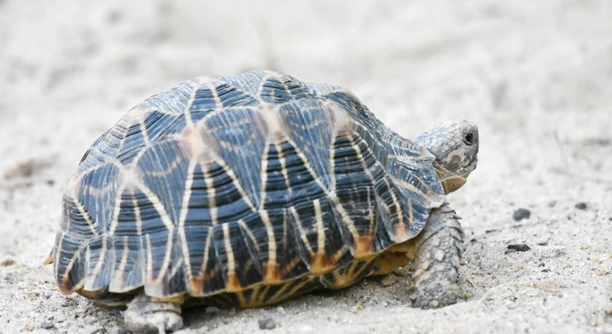
Knowing when your Indian star tortoise is ready to lay eggs can be tricky. Recognizing key signs can help ensure she gets the care she needs during this crucial time.
The most reliable indicators that your Indian star tortoise is preparing to lay eggs include physical changes such as increased size of the abdomen, restlessness, and seeking out suitable nesting areas. These signs may appear several weeks before laying.
Understanding these signs will help you provide a comfortable environment for your tortoise, ensuring she stays healthy during the process.
Physical Signs That Your Indian Star Tortoise Is Ready to Lay Eggs
A female Indian star tortoise prepares to lay eggs through several noticeable physical changes. Her abdomen will often enlarge as the eggs develop, causing her to look fuller and rounder. This increase in size is one of the first visible signs. You may also notice that she becomes more active, moving around restlessly as she looks for a safe place to lay her eggs. Additionally, her behavior may shift as she begins to spend more time exploring areas that mimic a suitable nesting spot, such as soft soil or loose substrate. Her activity levels may increase, and she may appear more stressed as the need to lay eggs becomes more urgent.
Recognizing these changes early allows you to make adjustments to her environment for her comfort.
To help her, ensure the enclosure has a quiet, soft area where she can dig and lay eggs. Offering a layer of loose, moist soil encourages digging behavior, which is essential for egg-laying. Regularly monitor her for changes in size, as this will give you clues on when the time is right. The closer she is to laying, the more pronounced her physical signs will be. Ensuring your tortoise has proper nutrition and hydration during this time will also support her well-being, making the laying process smoother. A comfortable, stress-free environment increases her chances of laying healthy eggs and minimizes complications.
Behavioral Indicators to Watch
Changes in behavior can be a strong signal that your tortoise is nearing the time to lay eggs.
Her increased need to explore and restlessness around the enclosure suggest she’s preparing to find a suitable nesting site. During this period, it’s common for her to show an increased interest in digging and moving around the enclosure more than usual.
Changes in Diet and Appetite
You may notice changes in your tortoise’s eating habits as she gets ready to lay eggs. Increased appetite is common during this time, as her body requires extra nutrients to support the eggs. You might see her eating more than usual, especially foods rich in calcium. It’s important to offer a balanced diet with a variety of leafy greens, fruits, and occasional protein to help her stay healthy and strong.
Provide her with foods that will enhance her calcium intake. Consider offering cuttlebone, calcium-rich greens like dandelion leaves, and a variety of safe fruits and vegetables. These will help prevent calcium deficiency, which is critical during egg production. You may also observe her drinking more water to stay hydrated as she prepares for the physical demands of laying eggs.
Providing a Safe and Comfortable Nesting Area
To ensure your tortoise has the best environment for egg-laying, provide a soft, quiet nesting area. This spot should be undisturbed, allowing her to feel safe as she digs and lays her eggs. You can use moist soil or coconut coir for the best results.
Ensure the nesting site is deep enough for her to dig comfortably and create a small, secure chamber. This will help her feel at ease while she lays her eggs. Keep the nesting area clean and avoid frequent disturbances. If you notice she’s showing signs of digging more often, this is the time to make sure her environment is optimal for her needs.
Restlessness and Increased Activity
As your tortoise nears egg-laying, you might notice her becoming more restless. She may pace around her enclosure, looking for a place to nest. This behavior indicates she’s preparing to lay her eggs. Increased activity is one of the main signs that she is nearing this stage.
Monitor her closely during this period. Ensure she has the opportunity to move around and explore different areas. Increased exploration is normal, but excessive restlessness could also be a sign that she is stressed. Provide extra space or enrichment to help her feel more comfortable.
Temperature and Humidity Adjustments
Proper temperature and humidity levels are critical during the egg-laying process. If the temperature is too high or low, it could cause stress or affect her ability to lay eggs. Aim for a temperature range of 80-85°F (27-29°C) with a slight drop at night.
Humidity levels also play a key role. Ensure the humidity in her enclosure is between 50% and 70%. If it’s too dry, she may struggle with laying eggs. You can increase humidity by misting her enclosure or providing a shallow water dish. These adjustments will create a more comfortable environment for her during egg-laying.
Checking for Egg-Binding
Egg-binding occurs when your tortoise is unable to lay her eggs. If you notice signs such as lethargy, loss of appetite, or straining without success, egg-binding could be the problem. It’s important to address this quickly.
If your tortoise is showing these signs, it’s vital to consult a veterinarian right away. Egg-binding can lead to serious health issues if left untreated. Timely medical intervention can help your tortoise successfully lay her eggs and avoid complications.
FAQ
What should I do if my tortoise is not laying eggs?
If your tortoise has shown signs of readiness but isn’t laying eggs, it could be due to stress or an inadequate nesting site. Ensure that the enclosure is quiet, warm, and has a suitable spot for digging. Sometimes, the tortoise may need a little more time to adjust before laying. It’s also important to make sure the environment has the right temperature and humidity, as this can affect the egg-laying process. If the issue persists, consider consulting a veterinarian to rule out health concerns.
How long does it take for a tortoise to lay eggs?
The egg-laying process can take anywhere from a few hours to a day. After your tortoise starts digging and prepares the nesting site, the actual laying may occur in multiple stages. She might lay one egg at a time, with breaks in between. Make sure she has plenty of privacy and a comfortable spot to rest during this time. Once she finishes laying, she will likely cover the eggs, and the process will be complete.
Is it normal for my tortoise to dig a lot before laying eggs?
Yes, it is completely normal for a tortoise to dig a lot before laying eggs. This behavior is a natural instinct to create a suitable nesting site. She will likely dig several holes or areas, looking for the perfect spot to deposit her eggs. It’s important to provide her with a deep enough substrate to allow for this behavior and to ensure it’s soft and moist enough to help her feel secure.
How can I tell if my tortoise is pregnant and ready to lay eggs?
You can tell if your tortoise is pregnant and ready to lay eggs by observing her physical changes. Her abdomen will appear noticeably swollen and enlarged as the eggs develop. You may also see her becoming more restless or searching for a place to dig. These are common indicators that she is nearing egg-laying. Keep in mind that some tortoises may go through this process without displaying obvious signs, so it’s important to monitor her behavior closely.
Can my tortoise lay eggs without a male?
Yes, female tortoises can lay eggs even if they haven’t mated with a male. This is because tortoises, like some other reptiles, can lay eggs without fertilization, a process known as “parthenogenesis.” While the eggs won’t be fertile and won’t hatch, the female will still lay them. It’s important to provide her with a safe and comfortable space during this process, as her body goes through the same physical changes as if the eggs were fertilized.
What happens if a tortoise cannot lay her eggs?
If a tortoise cannot lay her eggs, it can lead to a condition known as egg-binding. This is a serious issue where the eggs become stuck in the reproductive tract. It can cause pain, distress, and even life-threatening complications. If you notice your tortoise showing signs of lethargy, loss of appetite, or struggling to pass the eggs, consult a veterinarian immediately. Egg-binding can usually be treated with medical intervention, but it is crucial to act quickly.
How do I care for my tortoise after she lays her eggs?
After your tortoise has laid her eggs, it’s important to maintain her care as usual but with a few extra precautions. Make sure she has a quiet, calm environment to rest and recover. Provide her with a balanced diet to replenish the nutrients she used during egg production. Regularly monitor her health, watching for signs of infection or stress. Make sure her enclosure remains clean and dry to reduce the risk of any infections or complications.
Should I move the eggs once my tortoise has laid them?
It’s generally best to leave the eggs where your tortoise has laid them. Disturbing them can cause unnecessary stress for both you and the tortoise. If you’re planning to incubate the eggs, carefully move them with the help of a professional. However, it’s important to avoid moving them too much or too soon. If you are unsure about what to do with the eggs, seek advice from a veterinarian or a reptile expert to guide you on the best course of action.
How often do Indian star tortoises lay eggs?
Indian star tortoises typically lay eggs about once a year, but this can vary depending on the individual tortoise’s age, diet, and health. Some may lay eggs more frequently, while others might take a break between laying. As your tortoise approaches the egg-laying season, observe her for signs of readiness. Keep in mind that environmental factors, such as temperature and humidity, can also impact the frequency of egg-laying.
What is the best substrate for egg-laying?
The best substrate for egg-laying is soft, moist, and loose. A combination of soil, sand, and coconut coir works well. The substrate should be deep enough to allow the tortoise to dig comfortably, at least 8-10 inches deep. Ensure the soil stays slightly moist but not soaking wet, as this helps in the digging process. A proper substrate mimics the natural environment and encourages your tortoise to behave naturally during egg-laying.
How do I prevent my tortoise from getting stressed while laying eggs?
To reduce stress during egg-laying, create a quiet, private area where your tortoise can dig and lay her eggs undisturbed. Avoid frequent handling and keep the enclosure clean. Ensure she has easy access to food and water but keep disturbances to a minimum. Providing a consistent temperature and humidity level will also help her feel more comfortable and less anxious.
Final Thoughts
Laying eggs is a natural process for female tortoises, and it’s important to be aware of the signs that indicate she’s ready. Recognizing behaviors like increased restlessness, digging, and changes in her physical appearance can help you prepare for the egg-laying process. Understanding what to look for in your tortoise’s behavior and health will ensure that you are ready to provide the proper care when the time comes.
It is also essential to maintain an environment that promotes comfort and safety for your tortoise. Ensuring the right temperature, humidity, and proper substrate for nesting can make a significant difference in how easily she is able to lay her eggs. A suitable nesting area can reduce the chances of stress and complications during the egg-laying process. Being proactive in creating the right conditions helps to support her throughout this natural cycle.
If you notice any signs of egg-binding or other complications, seeking veterinary help is crucial. Egg-laying can be challenging for some tortoises, and it’s important to address any potential issues as soon as possible. By staying informed and prepared, you can ensure your tortoise’s health and well-being during this time. With the right care and attention, you can support your tortoise as she successfully lays her eggs and remains healthy.

Hello,
If you enjoy the content that we create, please consider saying a "Thank You!" by leaving a tip.
Every little bit helps us continue crafting quality advice that supports the health, happiness, and well-being of pets around the world, for pets of all shapes, sizes, and species.
We really appreciate the kindness and support that you show us!