
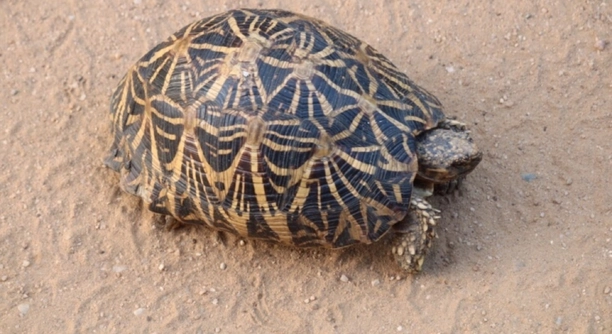
Shedding is a natural process for an Indian Star Tortoise, but sometimes it can seem excessive. Understanding the reasons behind this can help you ensure your tortoise stays healthy and comfortable throughout this phase.
Excessive shedding in Indian Star Tortoises can occur due to several factors such as environmental changes, temperature fluctuations, or inadequate humidity levels. These conditions may stress your tortoise, prompting it to shed more than usual. Ensuring proper habitat care can prevent this.
Knowing the reasons behind your tortoise’s shedding can guide you in providing better care. Keeping the environment stable and healthy is key to managing this process.
Why Shedding Occurs in Indian Star Tortoises
Shedding is a natural process for reptiles, including Indian Star Tortoises. It’s part of their growth cycle and typically happens in pieces, but it can sometimes seem more frequent or excessive. When your tortoise sheds more than usual, it’s important to check for environmental stressors or potential health issues. The process generally happens every few weeks or months, but various factors can affect how often they shed. For instance, the humidity level, temperature, and diet can all play a role. A well-maintained habitat can help regulate shedding and ensure your tortoise’s well-being.
Excessive shedding can also happen when the tortoise is exposed to changes in its environment. Temperature changes can affect their metabolic rate, causing them to shed faster. If they’re too hot or too cold, it can disrupt their normal shedding pattern. Ensuring your tortoise has a consistent environment will reduce this issue.
When the right conditions are in place, the shedding process should remain steady and predictable. Keep your tortoise’s habitat stable by maintaining the proper temperature and humidity levels. This helps promote healthy skin shedding.
How Temperature Affects Shedding
Temperature plays a key role in the shedding process. When temperatures fluctuate, it can cause stress, leading to more frequent shedding. Reptiles rely on warmth to help with digestion and metabolic function, which directly influences their skin regeneration process.
In the wild, Indian Star Tortoises experience seasonal changes that regulate their body’s natural rhythms. However, in captivity, the environmental temperature must be controlled to mimic these natural conditions. A temperature range of 80-90°F is ideal for most tortoises. Consistent heat allows them to shed naturally without excess stress.
If temperatures drop too low, tortoises can become sluggish, which may result in abnormal shedding. Too much heat can also cause them to become dehydrated, leading to dry, flaky skin. Monitor their habitat and adjust the temperature as needed. Keeping it stable ensures they can shed properly without complications.
Humidity and Its Impact on Shedding
Humidity is essential for your Indian Star Tortoise’s health. Low humidity levels can cause dehydration, which affects the shedding process. Without proper moisture, their skin becomes dry and may not shed properly. Keeping humidity between 60-80% helps them maintain healthy skin.
If the humidity is too low, your tortoise may struggle to shed its skin in one piece. This could lead to skin shedding in patches, and the skin may become hard and scaly. To improve humidity, you can mist their enclosure or use a humidifier. A water dish can also help maintain moisture in the air.
Monitoring humidity levels is crucial for preventing skin issues related to shedding. When humidity is properly maintained, your tortoise will shed naturally and without complications. Consistent moisture helps to keep their skin soft, allowing for smooth shedding.
Diet and Shedding
Your tortoise’s diet plays a big role in how well it sheds. A well-balanced diet ensures they have the nutrients needed to shed skin properly. If the diet lacks essential vitamins and minerals, it can lead to shedding issues.
Ensure your tortoise gets a variety of leafy greens, grasses, and other vegetation. High-calcium foods like dandelion greens or clover help promote strong, healthy skin. Avoid feeding them too much fruit, as it can cause digestive issues and imbalanced nutrition. A proper diet supports the growth of healthy skin, making the shedding process more efficient.
Adding supplements like calcium and vitamin D3 can further support their health and help them shed properly. Make sure their diet is consistent and rich in the nutrients they need for optimal shedding.
Stress and Shedding
Stress can trigger excessive shedding in your Indian Star Tortoise. Environmental changes, such as moving to a new enclosure, or even loud noises, can cause anxiety. This stress can disrupt their natural shedding cycle, leading to more frequent or irregular shedding.
Tortoises under stress may also refuse to eat, which can impact their overall health and the shedding process. A stressful environment makes it difficult for your tortoise to relax and shed in the usual pattern. Ensure their habitat remains calm, quiet, and stable to reduce stress-related shedding.
Health Problems and Abnormal Shedding
Abnormal shedding can be a sign of underlying health issues. Illnesses such as respiratory infections, skin conditions, or parasites can lead to more frequent shedding or difficulty shedding. In these cases, your tortoise may not be able to shed its skin in one complete layer.
If your tortoise is showing signs of abnormal shedding, such as patchy or uneven skin loss, it’s important to consult a vet. These health concerns need professional attention to avoid further complications. Timely care will help keep your tortoise healthy and support proper shedding.
UVB Lighting
Proper UVB lighting is crucial for your tortoise’s health and shedding. UVB light helps them metabolize calcium and promotes overall skin health. Without adequate UVB exposure, your tortoise’s shedding may be disrupted, leading to more frequent or incomplete shedding.
A UVB lamp should be placed over your tortoise’s enclosure, ensuring it receives the correct amount of light. Make sure the bulb is replaced regularly, as UVB light diminishes over time. With proper lighting, your tortoise can shed naturally and remain healthy.
FAQ
How often should my Indian Star Tortoise shed?
Shedding frequency can vary depending on the tortoise’s age, environment, and health. Generally, a healthy Indian Star Tortoise sheds every few weeks or months. Younger tortoises may shed more often as they grow, while older tortoises tend to shed less frequently. Keep an eye on their shedding pattern to ensure it’s normal.
What are the signs of excessive shedding in an Indian Star Tortoise?
Excessive shedding can be identified if your tortoise sheds more often than usual or in larger patches. If the skin appears flaky, dry, or hard, it may indicate dehydration or an environment that’s too dry. It’s important to check if the tortoise is showing signs of distress or discomfort.
Can temperature changes cause my tortoise to shed more?
Yes, temperature fluctuations can stress your tortoise and disrupt its normal shedding process. If the habitat gets too hot or too cold, it can result in more frequent shedding. Maintaining a consistent temperature range of 80-90°F will help prevent this. Sudden changes in temperature may cause discomfort and affect their skin health.
Why does my tortoise shed in patches?
Patchy shedding can occur when the tortoise is under stress, is dehydrated, or has an inadequate diet. It can also happen due to an infection or a skin condition. If the shedding doesn’t look uniform, it’s a good idea to consult with a vet to rule out any health problems.
How can I improve the humidity for my tortoise?
To improve humidity, you can mist the enclosure daily or use a humidifier. A water dish inside the enclosure will also help raise moisture levels. You may want to use a hygrometer to measure the humidity and ensure it stays between 60-80%. Proper humidity ensures your tortoise’s skin sheds naturally without dryness or cracking.
What should I do if my tortoise isn’t shedding at all?
If your tortoise isn’t shedding, it could be a sign of insufficient humidity or poor diet. It may also indicate a health issue, such as a vitamin deficiency. If the tortoise shows no signs of shedding or if the skin becomes hard and dull, it’s best to take them to a vet for a thorough examination.
Can diet affect shedding?
Yes, diet plays a significant role in the shedding process. Tortoises need a balanced diet with plenty of leafy greens, calcium, and other essential nutrients. A diet lacking in vitamins or minerals can lead to poor skin health, making shedding difficult. Supplementing with calcium and vitamin D3 can help support healthy skin and proper shedding.
Is it normal for my tortoise to shed more after a bath?
Yes, after a bath, your tortoise might shed more due to the increased moisture. Bathing helps to hydrate the skin and can make it easier for the tortoise to shed. If you notice more shedding after a bath, ensure that the enclosure’s humidity level is still properly maintained.
Can stress cause my tortoise to shed more than usual?
Stress is a known trigger for excessive shedding. Changes in the environment, loud noises, or new handling routines can all cause stress in tortoises. If your tortoise has been stressed or moved to a new habitat, it may shed more frequently or in larger patches. Keeping a calm, quiet environment will help minimize stress-related shedding.
How do I know if my tortoise is dehydrated?
Signs of dehydration in a tortoise include dry, flaky skin, lethargy, and infrequent or no urination. If you notice these signs along with excessive shedding, it’s a good idea to increase humidity and ensure your tortoise is drinking enough water. Offering baths can also help hydrate them.
Can my tortoise’s shell shed?
Yes, the shell of a tortoise can shed, but it’s a different process compared to skin shedding. The shell sheds in small, smooth pieces and is usually linked to growth. If your tortoise’s shell is shedding irregularly or in large patches, it could indicate a health issue, and you should seek veterinary advice.
Why is my tortoise’s skin not shedding properly?
Improper shedding could be due to low humidity, poor diet, or health issues. If your tortoise’s skin is not shedding properly, ensure the habitat conditions are optimal, particularly the humidity and temperature. If problems persist, a vet visit may be necessary to check for underlying health issues.
Can I help my tortoise shed by removing old skin?
It’s best not to remove the skin manually, as this can cause injury to the tortoise. Let the shedding process occur naturally. If the skin is stuck or if your tortoise is having trouble shedding, it’s best to consult with a vet for advice on how to assist without causing harm.
Final Thoughts
Caring for an Indian Star Tortoise involves more than just providing food and water. Ensuring the right environmental conditions, including humidity, temperature, and lighting, is key to a healthy tortoise. Shedding is a natural process, but when it becomes excessive or irregular, it could signal an issue with their environment or health. Understanding what affects shedding can help you provide the best care for your tortoise.
Stress is one of the biggest factors that can influence shedding. A sudden change in their habitat, noise, or handling can cause stress that disrupts their normal shedding process. This is why creating a calm, stable environment is so important for your tortoise’s well-being. Additionally, a proper diet that includes the right vitamins and calcium supports healthy skin and helps ensure proper shedding. If your tortoise is showing signs of irregular shedding, it’s crucial to monitor their surroundings closely to identify any changes that might be causing discomfort or stress.
If you notice that your tortoise is shedding more than usual, it may not always be a cause for concern. However, if the shedding is abnormal or accompanied by signs of illness, it’s essential to consult a veterinarian. Sometimes, excessive shedding can be a sign of dehydration, a skin condition, or an underlying health issue. Keeping a close eye on your tortoise’s behavior and skin condition will allow you to address any problems early on and make adjustments to their care. By maintaining a proper habitat and providing balanced nutrition, you can help ensure your Indian Star Tortoise remains healthy and happy.

Hello,
If you enjoy the content that we create, please consider saying a "Thank You!" by leaving a tip.
Every little bit helps us continue crafting quality advice that supports the health, happiness, and well-being of pets around the world, for pets of all shapes, sizes, and species.
We really appreciate the kindness and support that you show us!