
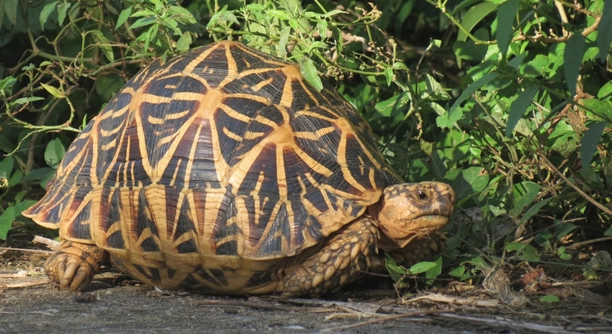
The Indian star tortoise is a fascinating pet that requires a proper environment to thrive. Recognizing the signs of a happy and healthy tortoise can ensure it lives its best life in its habitat.
The most reliable indicators that your Indian star tortoise is thriving include active behavior, healthy eating habits, clear eyes, consistent growth, regular shell shedding, a balanced weight, and a clean, suitable habitat. These signs show optimal care.
These signs will help you understand if your tortoise is comfortable and flourishing. Knowing what to look for ensures that you provide the best care possible.
Active and Engaged Behavior
When an Indian star tortoise is thriving, you’ll notice it staying active and moving around its habitat. Healthy tortoises are curious and will explore their space, walking and climbing around. They show interest in their surroundings, and this behavior reflects overall well-being. If your tortoise is constantly hiding or inactive, it may signal discomfort or health issues.
In addition to being active, your tortoise should respond to its environment, reacting to movement and sounds. When they are engaged, they will also show interest in food and water, indicating that their energy levels are good. This is a key sign of a thriving tortoise.
Healthy behavior patterns are essential for ensuring your tortoise enjoys a fulfilling life. If your pet is moving freely and showing an interest in its surroundings, it’s a positive sign. Keeping its habitat stimulating and enriching will continue to support this behavior.
Healthy Appetite and Eating Habits
A thriving tortoise will have a healthy appetite. It’s an important sign that their metabolism is working well, and they are getting the right nutrients from their diet.
Indian star tortoises eat a mix of grasses, fruits, and vegetables. If your tortoise is eating regularly and finishing meals, it indicates good health. Consistency in eating shows that they are adapting well to their environment and receiving the nutrients they need to thrive.
Be mindful of the foods you offer, ensuring they align with the tortoise’s dietary needs. A balanced diet not only keeps them active but also contributes to shell growth, weight maintenance, and overall vitality.
Clear Eyes and Healthy Shell
Clear, bright eyes are a reliable sign that your tortoise is healthy. Any cloudiness or discharge could indicate illness. A thriving Indian star tortoise will also have a smooth, clean shell without any cracks, damage, or discoloration.
It’s important to regularly check the eyes for any signs of irritation or infection. Healthy eyes should be clear, bright, and free of mucus. Any signs of swelling or unusual discharge may require immediate attention. The shell should feel hard and firm to the touch, with no soft spots that could suggest a calcium deficiency or other health problems.
A healthy shell and eyes show that your tortoise is thriving and properly cared for. Regularly monitor these areas to catch any potential issues early, and ensure your tortoise is staying in optimal health.
Consistent Growth and Weight
A thriving Indian star tortoise will grow steadily over time. If it’s gaining weight and growing at a healthy pace, it’s a good sign that it’s thriving in its habitat.
Steady growth is essential for a healthy tortoise. Ensure that the diet includes enough nutrients to support both weight gain and proper shell development. If your tortoise seems to be losing weight or not growing, this could be an indication that something is wrong. Stress, poor diet, or a suboptimal environment can all affect its growth.
By maintaining the right conditions, you can ensure your tortoise develops properly and grows at a healthy rate. This will also support its longevity and overall well-being in the long run.
Regular Shell Shedding
Regular shedding of the outer layer of the shell is a sign of growth and proper health. As your tortoise matures, its shell will naturally shed in pieces.
If you notice consistent shedding with no signs of injury or discomfort, it indicates that the tortoise is growing as it should. Shell shedding helps keep the tortoise’s outer shell in good condition and free from old, damaged material.
A healthy, shedding shell is another indicator that your tortoise is adapting well to its habitat. Keep an eye out for any unusual shedding patterns, as this could signal a potential issue.
Clean Habitat and Environment
A clean habitat is essential for the health of your tortoise. The living space should be free from waste, mold, or excess moisture.
Your tortoise will thrive in a space that is regularly cleaned and maintained. Filthy conditions can lead to stress, illness, or skin infections. Proper substrate, temperature, and humidity levels contribute to creating a comfortable and clean environment.
Ensure the enclosure is spacious enough to allow your tortoise to roam freely and access fresh food and water. Maintaining cleanliness helps prevent unwanted health problems and ensures the tortoise remains in good shape.
Healthy Social Interactions
Indian star tortoises are generally solitary animals but will benefit from interaction with their environment and occasional human contact. They are not highly social but should feel comfortable and secure in their habitat.
Interactions with their environment, such as exposure to natural sunlight, proper enrichment, and interaction with their caregivers, can contribute positively to their well-being. A tortoise that is thriving may show curiosity when approached but will remain calm and content in its space.
While they may not seek constant attention, ensuring a stable environment with occasional social engagement supports their overall health.
FAQ
How often should I feed my Indian star tortoise?
Indian star tortoises should be fed about 3-4 times a week, with their diet consisting mostly of leafy greens, grasses, and occasional fruits. Offer a variety of foods to provide essential nutrients, and avoid overfeeding to prevent obesity. Ensure that the portions are suitable for the size of your tortoise.
What temperature should my tortoise’s habitat be?
The temperature of the habitat should range between 80°F and 90°F during the day. A basking area can be set at around 95°F, while nighttime temperatures can drop to around 70°F. Ensure that the tortoise has access to both warm and cooler areas to regulate its body temperature.
Can I house multiple Indian star tortoises together?
It is not recommended to house multiple tortoises together, as they are solitary by nature. They may become territorial, leading to stress or aggression. If you do house them together, ensure plenty of space and hiding spots to reduce tension and allow them to retreat when needed.
How do I prevent my tortoise from getting sick?
To prevent illness, maintain a clean habitat, provide a balanced diet, and keep the habitat temperature consistent. Avoid overfeeding and ensure your tortoise gets enough UVB light for calcium absorption. Regular health checks, such as monitoring the shell and eyes, can also help catch issues early.
What should I do if my tortoise isn’t eating?
If your tortoise isn’t eating, first check the habitat conditions, including temperature, humidity, and cleanliness. Stress, illness, or an inadequate diet can cause a lack of appetite. If the issue persists for more than a few days, consult a veterinarian to rule out health problems.
Can my tortoise live outside year-round?
Indian star tortoises can live outside in warm climates but should be brought indoors during cold weather. Their habitat needs to be free from predators and have plenty of space to roam. A well-maintained outdoor enclosure with access to shelter is essential for their well-being.
How can I tell if my tortoise is dehydrated?
Signs of dehydration in a tortoise include a dry or shriveled skin, lethargy, or difficulty moving. Offer water in a shallow dish and soak the tortoise in warm water for 10-15 minutes. If the condition persists, a vet visit is advised to address dehydration.
How do I handle my tortoise safely?
To handle your tortoise, gently lift it by the sides of its shell, avoiding the head, legs, or tail. Always support the entire body to prevent injury. Handling should be minimal to reduce stress, and you should never force the tortoise to interact if it seems uncomfortable.
Why is my tortoise not shedding its shell properly?
Improper shedding can result from poor diet, insufficient humidity, or underlying health issues. Make sure the environment is humid enough and the tortoise is getting the right nutrients. If shedding problems persist, consult a veterinarian for advice and treatment.
What kind of substrate is best for my tortoise?
The best substrate for Indian star tortoises is one that allows for easy cleaning and provides a natural feel. Coconut coir, shredded aspen, or a mix of soil and sand work well. Avoid substrates that can cause impaction, such as gravel or fine sand, which may be ingested.
How much space does my tortoise need?
Indian star tortoises require ample space to roam, with a minimum of 4-6 square feet of space for a single adult. A larger enclosure is always better, as it allows the tortoise to explore, exercise, and maintain a healthy lifestyle. The more space, the better.
How often should I clean my tortoise’s habitat?
The habitat should be cleaned regularly to prevent waste buildup, mold, or harmful bacteria. Spot clean the enclosure daily, removing any uneaten food or waste. A deep clean should be done weekly, including changing the substrate, disinfecting surfaces, and ensuring the temperature and humidity are right.
Why does my tortoise bask more than usual?
Excessive basking could indicate that the habitat temperature is too low, and the tortoise is seeking warmth. It may also be a sign of illness, such as a respiratory infection, if the basking is excessive and accompanied by other symptoms. Ensure the temperature is ideal and consult a vet if the behavior persists.
Is it normal for my tortoise to dig?
Yes, digging is a normal behavior for Indian star tortoises. They dig to create shelter, find food, or regulate their body temperature. Providing a suitable substrate that allows for digging will help fulfill this natural instinct. However, excessive digging may indicate stress or discomfort.
What should I do if my tortoise’s shell is cracked?
If your tortoise’s shell is cracked, you should first clean the area with a mild disinfectant and apply a non-toxic antiseptic. Monitor for signs of infection, such as swelling or discharge. Depending on the severity, it’s crucial to consult a vet for further treatment.
Can I take my tortoise outside for walks?
Yes, you can take your tortoise outside for walks, but only in safe, supervised areas. Always ensure the outdoor environment is free from predators and hazards. Never leave your tortoise unattended, and make sure the ground is suitable for its delicate feet. Always bring it back inside if the weather changes or if it seems stressed.
Final Thoughts
Caring for an Indian star tortoise involves more than just providing food and water. It’s important to create an environment that mimics their natural habitat. This includes maintaining the right temperature, humidity, and providing proper lighting. Keeping their habitat clean and providing a balanced diet is essential to ensuring that your tortoise thrives. With attention to their needs and behavior, you can help them live a long, healthy life.
Regular health checks are also important for identifying any signs of illness early on. Keep an eye on their eating habits, shell condition, and overall activity levels. If you notice any changes, it’s best to consult a veterinarian who specializes in reptiles. Small issues can often be corrected before they become major health concerns. Monitoring your tortoise’s behavior and physical condition should become part of your regular routine.
By creating a proper habitat, maintaining a healthy diet, and ensuring regular veterinary care, you’ll provide a thriving environment for your Indian star tortoise. While they are low-maintenance pets, they do need attention to their well-being. With these steps, you can enjoy watching your tortoise grow and live a comfortable life in your care.

Hello,
If you enjoy the content that we create, please consider saying a "Thank You!" by leaving a tip.
Every little bit helps us continue crafting quality advice that supports the health, happiness, and well-being of pets around the world, for pets of all shapes, sizes, and species.
We really appreciate the kindness and support that you show us!