
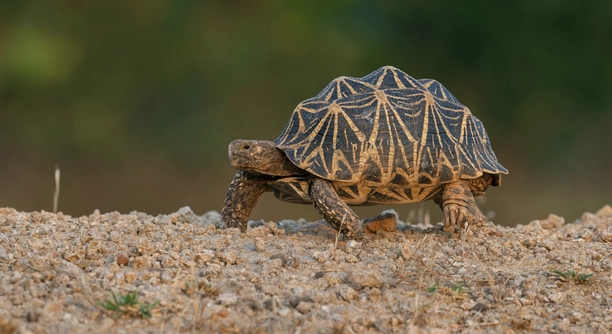
Indian Star Tortoises are herbivores, with a diet that consists primarily of grasses, leafy greens, and certain fruits. Understanding the right foods to include can support their health and help them thrive in captivity.
Cauliflower can be offered to Indian Star Tortoises in moderation. It provides fiber and essential vitamins but should not make up a large portion of their diet. Too much cauliflower may cause digestive upset or imbalance in their nutrition.
A proper understanding of their diet can help ensure their well-being. Feeding the right foods contributes to the overall health and longevity of these fascinating creatures.
What You Should Know About Cauliflower and Tortoise Diets
Cauliflower is not inherently harmful to Indian Star Tortoises, but it should be offered sparingly. These tortoises are naturally grazers, thriving on a variety of vegetation. While cauliflower does contain nutrients, it’s important to balance it with their regular diet of grasses, leafy greens, and occasional fruits. If given too often, cauliflower could lead to digestive problems, including bloating and gas. It’s also high in oxalates, which can bind calcium and reduce its absorption in the tortoise’s body, potentially leading to shell and bone issues.
Moderation is key. Cauliflower can be a tasty treat but should never replace the more essential items in their diet. The balance of nutrients from different sources is what keeps your tortoise healthy and active.
While offering vegetables and fruits is a great way to enrich your tortoise’s diet, sticking to their natural feeding habits is crucial. This means offering a variety of grasses and greens, with occasional treats like cauliflower for added variety.
The Risks of Overfeeding Cauliflower
Feeding too much cauliflower can cause issues with digestion in Indian Star Tortoises. The excess gas or bloating from overconsumption can lead to discomfort and irregular bowel movements. It’s essential to monitor how much you give them to ensure they stay healthy and happy.
If you notice any signs of digestive distress, it may be helpful to reduce or eliminate cauliflower from their diet temporarily. Always observe their response to new foods and make adjustments as needed. With careful management, a well-balanced diet can prevent many common health issues.
Nutritional Benefits of Cauliflower for Indian Star Tortoises
Cauliflower offers some nutritional benefits to Indian Star Tortoises, including fiber, vitamins C and K. These nutrients are helpful in supporting the immune system and overall health when given in small amounts. However, it should never be relied upon as a primary food source.
While cauliflower provides some benefits, it’s important to remember that a varied diet of leafy greens, grasses, and edible flowers should remain the foundation of a tortoise’s diet. The high water content of cauliflower can also aid hydration, but feeding too often can cause imbalance.
Feeding cauliflower occasionally as a supplement can be a good choice, but it should not be a replacement for the essential leafy greens and grasses. Keep in mind that the balance between calcium and phosphorus in their diet is crucial, and cauliflower doesn’t contribute significantly to this ratio.
How to Introduce Cauliflower into Their Diet
Introducing cauliflower into your tortoise’s diet should be done gradually. Start by offering small amounts mixed with their usual vegetables. Monitor for any digestive changes. If everything goes smoothly, you can occasionally add it as a treat.
It’s crucial to observe their behavior after introducing any new food. A slow introduction helps reduce the risk of digestive upset. Keep in mind that while cauliflower is safe in moderation, it shouldn’t replace the bulk of their diet. Their daily meals should focus on their primary food sources for optimal health and longevity.
Feeding should always align with the needs of the tortoise. Offering cauliflower occasionally can add variety, but always prioritize leafy greens, grasses, and the right calcium-to-phosphorus ratio to support their growth and well-being.
How Cauliflower Affects Tortoise Digestion
Cauliflower can affect the digestive system of Indian Star Tortoises if given too much. While it’s a source of fiber, excess cauliflower may lead to gas and bloating. Moderation helps avoid these issues and ensures a healthier digestive process.
It’s important to note that digestive issues might not appear immediately. Over time, a diet that includes too much cauliflower could slow digestion and lead to discomfort. Make sure to offer it in small amounts and keep a close eye on your tortoise for any signs of digestive problems, such as reduced activity or changes in stool.
Other Vegetables to Include in Their Diet
Indian Star Tortoises thrive on a variety of vegetables that provide essential nutrients. Some excellent options include leafy greens like collard greens, dandelion greens, and mustard greens. These vegetables provide calcium, fiber, and vitamins. Always ensure they are pesticide-free and fresh.
You can also include other vegetables like squash, bell peppers, and shredded carrots. These are nutritious and offer a change of texture and flavor. However, ensure that any new vegetable is introduced gradually, and observe your tortoise for any digestive changes. A varied diet supports overall health and prevents nutritional deficiencies.
Hydration and Diet Balance
Proper hydration is essential for the overall health of Indian Star Tortoises. In addition to offering fresh water, many of the vegetables, including cauliflower, contribute to their daily hydration needs. Be sure to always provide a clean, shallow water dish, which encourages drinking and soaking.
FAQ
Can Indian Star Tortoises eat cauliflower every day?
Indian Star Tortoises should not eat cauliflower every day. Although cauliflower provides some beneficial nutrients like fiber and vitamin C, feeding it too frequently can upset their digestive system. Offering cauliflower as a treat once or twice a week is ideal. Overconsumption of cauliflower can lead to bloating, gas, and digestive issues, so it’s best to stick to a varied diet of leafy greens, grasses, and other vegetables.
Is cauliflower good for tortoises?
Cauliflower can be a good occasional treat for tortoises, providing fiber and some vitamins. However, it shouldn’t make up a large part of their diet. It has high water content, which can help with hydration, but the high levels of oxalates in cauliflower can interfere with calcium absorption. Regularly feeding calcium-rich vegetables, such as collard greens and kale, is more important to support healthy shell and bone growth.
What vegetables can Indian Star Tortoises eat?
Indian Star Tortoises enjoy a variety of vegetables, with leafy greens being the most important. They can eat dandelion greens, collard greens, mustard greens, and turnip greens. Other safe vegetables include squash, bell peppers, carrots, and pumpkin. Always ensure that vegetables are pesticide-free and fresh. Variety is key to providing a balanced diet.
Can cauliflower cause health problems for Indian Star Tortoises?
Yes, cauliflower can cause health problems if fed in excess. Its high fiber content can lead to digestive issues, such as bloating or diarrhea. Additionally, cauliflower contains oxalates, which can bind to calcium in the tortoise’s body, making it harder for them to absorb this essential mineral. This imbalance can lead to shell deformities and weakened bones over time. Moderation is the key to ensuring a healthy diet for your tortoise.
How often should I feed my tortoise vegetables?
Vegetables should be offered to your tortoise daily, but the types of vegetables can vary. The bulk of their diet should consist of leafy greens, grasses, and edible flowers. Occasional vegetables like cauliflower, bell peppers, and carrots can be included for variety. Make sure to provide fresh food every day, removing any uneaten portions to prevent spoilage.
Is cauliflower high in calcium for tortoises?
No, cauliflower is not particularly high in calcium. It contains some calcium, but it is not a significant source compared to other vegetables like collard greens or kale. Tortoises need a calcium-rich diet to ensure strong shell and bone growth. Therefore, cauliflower should not be relied upon as a primary source of calcium, but rather as an occasional treat.
Can tortoises eat cooked cauliflower?
It’s best to feed tortoises raw cauliflower. Cooking vegetables, including cauliflower, can break down nutrients, reducing their value. Also, cooked food can be harder for tortoises to digest. Feeding raw vegetables ensures your tortoise gets the most nutrients. Avoid seasoning or adding oil to vegetables, as these can harm your tortoise’s health.
Should I remove the leaves from the cauliflower?
Yes, you can remove the leaves from cauliflower before offering it to your tortoise. The leaves are fibrous and may not be as appealing to your tortoise as the florets. However, if you prefer to offer them, ensure they are clean and free from pesticides. As with any vegetable, make sure the cauliflower is fresh and free from any chemicals before feeding it to your tortoise.
Can cauliflower replace other vegetables in a tortoise’s diet?
No, cauliflower should not replace other vegetables in a tortoise’s diet. It can be a healthy addition but should be given in moderation. Tortoises need a variety of leafy greens, grasses, and other vegetables to maintain a balanced and nutritious diet. Relying on cauliflower or any other single vegetable can lead to nutritional imbalances.
Can cauliflower cause shell deformities in tortoises?
If fed in excess, cauliflower can contribute to shell deformities due to its oxalate content, which interferes with calcium absorption. Calcium is essential for the development of a strong, healthy shell. While a small amount of cauliflower is unlikely to cause harm, it should never be a regular part of the tortoise’s diet.
Are there any vegetables that should be avoided for Indian Star Tortoises?
Yes, certain vegetables should be avoided. For example, spinach, beet greens, and chard contain high levels of oxalates, which can interfere with calcium absorption. Tortoises should also avoid lettuce, as it is low in nutrients and can cause diarrhea. Avoid feeding vegetables that are high in phosphorus compared to calcium, as these can lead to calcium deficiencies.
What should I do if my tortoise is not eating cauliflower?
If your tortoise refuses cauliflower, there is no need to be concerned. Tortoises can be picky eaters, and preferences may vary. Try offering a variety of other vegetables, especially those they enjoy. If your tortoise continues to avoid food, it may be a sign of illness or stress, and a visit to the vet may be necessary.
Can I feed cauliflower to baby tortoises?
Baby tortoises can eat cauliflower in moderation, just like adults. However, due to their smaller size and developing digestive systems, it’s best to offer smaller portions. Ensure that they have a well-balanced diet that includes a variety of leafy greens and grasses. Avoid making cauliflower a regular part of their diet to prevent digestive or calcium absorption issues.
What’s the best way to prepare cauliflower for a tortoise?
To prepare cauliflower for your tortoise, simply wash it thoroughly to remove any dirt or pesticides. Cut the cauliflower into small, manageable pieces that your tortoise can easily eat. Avoid cooking or seasoning it, as this can reduce its nutritional value. Always serve it fresh and remove any leftovers to prevent spoilage.
Final Thoughts
Feeding Indian Star Tortoises a balanced diet is essential for their health and well-being. While cauliflower can be a nutritious addition to their diet, it should only be given in moderation. Offering a variety of vegetables, especially leafy greens, will help ensure they get the necessary nutrients without overloading them on any single food item. The right balance of fiber, calcium, and hydration is important for their overall health.
Cauliflower, though not harmful in small amounts, is not the best choice for a regular part of their diet. The high oxalate content can interfere with calcium absorption, which is crucial for maintaining a strong shell and bone structure. It’s also essential to offer other vegetables that are rich in calcium to support proper growth and development. Additionally, always ensure that the vegetables you feed your tortoise are pesticide-free and fresh. Variety in their diet will keep them healthier and provide the nutrients they need.
In conclusion, while cauliflower can be a healthy treat for your Indian Star Tortoise, it should be part of a diverse diet that includes a range of vegetables. Focus on offering nutrient-rich foods like collard greens, dandelion greens, and grasses to meet their dietary needs. Proper care and attention to their food will help keep your tortoise healthy and thriving for years to come. Moderation is key when introducing any new food to their diet, and providing a wide variety will ensure they remain strong and active.

Hello,
If you enjoy the content that we create, please consider saying a "Thank You!" by leaving a tip.
Every little bit helps us continue crafting quality advice that supports the health, happiness, and well-being of pets around the world, for pets of all shapes, sizes, and species.
We really appreciate the kindness and support that you show us!