
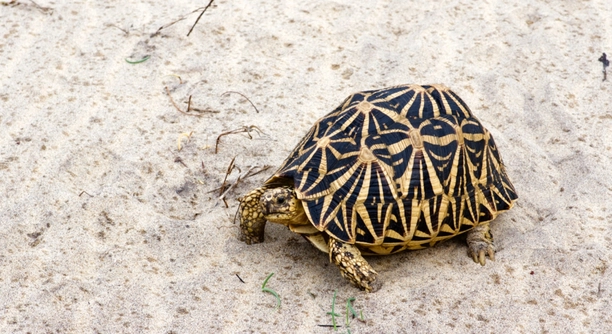
An Indian Star Tortoise is a unique and fascinating pet. Observing their behavior closely can raise some interesting questions about why they act the way they do, especially when it comes to their shell.
The lifting of an Indian Star Tortoise’s shell is a common behavior related to stress, discomfort, or defensive actions. This movement may also occur due to temperature fluctuations, improper habitat conditions, or as part of their natural behavior in the wild.
Understanding why your tortoise exhibits this behavior is important for its health and well-being. Proper care can help prevent stress and ensure a happy, healthy tortoise.
Possible Causes of Shell Lifting
When your Indian Star Tortoise starts lifting its shell, it can indicate different underlying issues. Tortoises may engage in this behavior when they feel threatened or uncomfortable in their environment. This can include improper temperature, humidity, or a lack of space. Changes in their habitat, such as moving them to a new area or introducing new pets, can cause stress. It’s important to assess whether the conditions around your tortoise are consistent with what they need to feel safe. If the temperature is too high or low, or if there is too much humidity, they might respond by lifting their shell to adjust.
Stress is another common reason for this behavior. When the tortoise feels threatened or senses danger, lifting its shell can be a defensive response. In the wild, this could help the tortoise protect itself from predators or environmental changes. It’s essential to check if there have been any disturbances that could make your tortoise anxious.
Finally, remember that tortoises are creatures of habit. A sudden change in their surroundings can disrupt their routine and lead to shell-lifting behavior.
Stress or Discomfort
Tortoises, especially the Indian Star species, may lift their shell due to stress or discomfort. They often do this when they feel unsafe or unsettled in their environment.
Providing your tortoise with a peaceful and consistent habitat can significantly reduce stress. A calm, familiar setting will help them feel secure and less likely to display defensive behaviors like shell-lifting. Make sure their living space is quiet and free from sudden changes. Regularly check for any discomforts, like inadequate bedding or enclosure conditions.
Temperature and Habitat Conditions
One of the most important factors to consider is the temperature and overall environment of your tortoise’s enclosure. Indian Star Tortoises need a warm, consistent temperature to thrive. If the environment is too cold, they may lift their shell to try and warm themselves. On the other hand, overheating can also lead to stress, causing the tortoise to raise its shell in an attempt to cool down.
Your tortoise’s enclosure should have a heat source that provides a gradient temperature, allowing them to regulate their body heat. It is crucial to provide a basking area where the temperature is higher (about 90°F), while other parts of the enclosure should offer a cooler spot. If the habitat is too humid or dry, it could make them uncomfortable, leading to shell-lifting. Keep an eye on the humidity levels and adjust as needed.
For optimal health, create a stable environment. A regular schedule for cleaning and checking the habitat’s temperature will reduce the likelihood of shell-lifting caused by environmental factors.
Health and Medical Issues
Sometimes, shell-lifting can also signal a potential health issue. If your tortoise’s shell is lifting abnormally, it may be a sign of an infection or other medical problem. A bacterial or fungal infection can cause irritation and discomfort, leading the tortoise to lift its shell.
It’s essential to observe any other signs of illness such as lethargy, lack of appetite, or changes in behavior. If you notice these symptoms along with shell-lifting, it’s a good idea to consult a vet who specializes in reptiles. A professional can perform tests and help you determine if there’s an underlying medical condition causing the behavior.
In some cases, a tortoise may experience shell-related issues, like shell deformities or injuries, that can lead to lifting. Keep your tortoise’s shell clean and well-maintained. Proper diet and care can prevent many shell-related problems, helping them stay healthy and active.
Taking these factors into account will help you keep your tortoise healthy and ensure that shell-lifting doesn’t become a recurring issue.
Temperature Regulation
If your Indian Star Tortoise is lifting its shell, it could be struggling with regulating its body temperature. These tortoises require a specific temperature range to stay healthy. If they feel too hot or too cold, their first instinct may be to lift their shell in response.
A basking area with temperatures of 90°F to 95°F is ideal. Ensure that the cooler side of the habitat stays around 75°F to 80°F. The variation in temperature allows your tortoise to move between warmer and cooler spots, helping it regulate its body heat. If temperatures are not carefully managed, the tortoise may feel stressed, and shell-lifting could become a habitual response.
Maintaining a temperature gradient within the enclosure ensures your tortoise can comfortably choose the ideal spot based on its needs. A temperature-controlled environment keeps your tortoise stress-free and promotes natural behavior.
Humidity Levels
Humidity is another critical factor to watch. If your tortoise’s environment is too dry or too humid, it may become uncomfortable, resulting in behavior like shell-lifting. Indian Star Tortoises prefer a humidity level between 50% and 70%.
If the air is too dry, your tortoise may begin to lift its shell in an attempt to regulate its moisture levels. On the other hand, excessive humidity can lead to fungal or respiratory issues, making your tortoise feel uneasy. Use a hygrometer to monitor the humidity in the enclosure and adjust as necessary.
Mist your tortoise’s enclosure daily to maintain proper humidity, but avoid over-wetting the area. The balance between temperature and humidity is essential for their overall health. A consistent environment will allow your tortoise to thrive.
Diet and Nutrition
An improper diet can also contribute to shell-lifting behavior in your Indian Star Tortoise. Poor nutrition leads to weakness, discomfort, or even health problems that cause stress. A balanced diet of leafy greens, grasses, and safe vegetables will keep your tortoise healthy and strong.
Inadequate calcium intake can also cause issues. Tortoises need calcium for strong bones and shells, so adding calcium supplements to their diet is essential. If your tortoise isn’t getting enough of these nutrients, it might feel unwell and try to lift its shell for comfort.
Ensure your tortoise has access to fresh, properly prepared food. Offer variety but avoid overfeeding them to prevent obesity. An appropriate diet can make a big difference in your tortoise’s behavior, including shell-lifting.
Behavioral Patterns
Shell-lifting can sometimes be a natural behavior for your tortoise. In the wild, tortoises lift their shells to protect themselves from predators or environmental stressors. This instinctual behavior can be observed even in captivity, especially if the tortoise feels threatened.
If the enclosure is too crowded, noisy, or if there are other animals nearby, your tortoise may feel vulnerable. It might raise its shell as a defensive mechanism. Pay attention to your tortoise’s surroundings and try to make their living space as peaceful and stress-free as possible.
A calm, secure environment can reduce the need for defensive behaviors like shell-lifting. Providing them with plenty of space and time alone will help them feel safe. Keeping the area quiet and undisturbed is a key factor in promoting natural, healthy behavior.
Overcrowding in the Habitat
If your tortoise shares its enclosure with other pets or animals, overcrowding may be a factor causing stress. Too many creatures in one space can make your tortoise feel threatened and uncomfortable, triggering shell-lifting as a defensive response.
Ensure your tortoise has enough space to move freely without feeling cramped. A larger enclosure allows your tortoise to establish its own territory and reduces the risk of anxiety or stress. Overcrowding can also lead to territorial disputes, further adding to your tortoise’s discomfort.
Handling and Interaction
Too much handling can be overwhelming for your tortoise. Frequent or rough handling might cause them to feel unsafe, resulting in shell-lifting. Tortoises need time to adjust to their environment without constant interference.
Minimize direct handling and allow your tortoise to explore and move at its own pace. When you do interact, keep it gentle and calm. Avoid picking them up too often, as excessive handling may lead to more stress and behavioral issues.
Shell Maintenance
Tortoises rely on their shells for protection, and any discomfort or injury to the shell can cause them to lift it in response. A damaged or improperly maintained shell can cause pain or irritation, leading to stress.
Regularly inspect your tortoise’s shell for any cracks, scratches, or signs of infection. A healthy, well-maintained shell is essential for your tortoise’s comfort and overall well-being. Make sure they are getting enough calcium to promote strong shell growth and consider supplements if necessary. Keeping the shell clean and free of debris will also help prevent health problems.
FAQ
Why is my Indian Star Tortoise lifting its shell?
Lifting its shell can be a sign of stress, discomfort, or an attempt to regulate its temperature. It may also occur as a defensive response to perceived threats. Make sure your tortoise’s environment is suitable, with proper temperature, humidity, and space. If the behavior continues, consider checking for any signs of injury or illness.
Is shell-lifting a sign that my tortoise is sick?
Shell-lifting alone isn’t necessarily a sign of illness, but it could indicate discomfort or a health problem. If your tortoise is also showing signs of lethargy, lack of appetite, or abnormal behavior, it’s important to consult a vet. Regular health checkups can help catch any underlying issues.
Can shell-lifting be caused by poor diet?
Yes, a poor diet can lead to calcium deficiencies, which affect your tortoise’s shell and overall health. A lack of calcium can cause weakness, stress, or other symptoms that might lead to shell-lifting behavior. Make sure your tortoise is eating a balanced diet, including leafy greens, grasses, and calcium supplements if necessary.
How do I know if the temperature is right for my tortoise?
To create the right environment, your tortoise’s basking spot should be between 90°F to 95°F, while the cooler side of the enclosure should be around 75°F to 80°F. Use a thermometer to measure the temperature in different areas. If your tortoise is constantly lifting its shell, it could be a sign that the temperature is not ideal.
Could my tortoise be stressed due to the enclosure size?
Yes, a cramped enclosure can cause stress, which might result in shell-lifting. Tortoises need room to move, explore, and establish their territory. A larger enclosure will provide your tortoise with more space and help reduce anxiety. Ensure the enclosure is at least 40 gallons for a single tortoise.
How can I reduce stress in my tortoise’s environment?
A stress-free environment is crucial for your tortoise’s health. Avoid overcrowding, loud noises, and frequent handling. Provide a consistent routine, with regular feeding and a quiet, stable habitat. Make sure your tortoise has places to hide or retreat to, offering a sense of security.
Does humidity affect shell-lifting behavior?
Yes, improper humidity can cause your tortoise to feel uncomfortable. The ideal humidity for an Indian Star Tortoise is between 50% and 70%. If it’s too dry or too humid, your tortoise may lift its shell as a response to discomfort. Use a hygrometer to monitor humidity levels and adjust them as needed.
Can my tortoise get too hot and start lifting its shell?
Yes, overheating can cause your tortoise to lift its shell in an attempt to cool down. If the basking area is too hot, it can lead to stress and shell-lifting. Make sure the basking area is within the recommended temperature range of 90°F to 95°F, and check the cooler areas to ensure they aren’t too warm.
How often should I handle my tortoise?
Tortoises are generally independent animals and don’t require constant handling. Overhandling can cause stress, leading to behaviors like shell-lifting. Limit handling to a few times a week and always be gentle. Let your tortoise explore and move freely in its habitat as it feels comfortable.
Is shell-lifting normal for young tortoises?
It’s possible for young tortoises to lift their shells more often as they adjust to their environment. However, excessive shell-lifting at any age should be monitored. Make sure your young tortoise has a suitable habitat with proper temperature, humidity, and space. If the behavior persists, consult a vet.
What signs should I look for to know if my tortoise is in pain?
Signs of pain in tortoises can include loss of appetite, lethargy, changes in behavior, and excessive shell-lifting. If you notice these symptoms, it may indicate injury or illness. Have your tortoise examined by a reptile vet to ensure it’s not suffering from any underlying medical issues.
Can I stop my tortoise from lifting its shell?
You can help reduce shell-lifting by improving the tortoise’s environment. Ensure the temperature, humidity, and space are ideal. Also, limit handling and create a stress-free, quiet environment. Monitoring your tortoise’s health and addressing any concerns will also prevent unnecessary behavior like shell-lifting.
How can I tell if my tortoise’s shell is injured?
Check for visible cracks, soft spots, or changes in texture. If your tortoise seems to be lifting its shell due to injury, look for swelling or signs of infection, like discharge or redness. If you notice any of these symptoms, consult a vet immediately.
Should I provide my tortoise with a hiding spot?
Yes, hiding spots are essential for tortoises to feel secure and reduce stress. A quiet area where they can retreat provides a sense of safety, helping to prevent anxiety-related behaviors like shell-lifting. Provide caves, logs, or other hideaways in their enclosure to offer this option.
How long will it take for my tortoise to stop lifting its shell?
The time it takes for your tortoise to stop lifting its shell depends on the cause. If it’s stress-related, providing a calm and consistent environment can help within a few days. If it’s due to a health issue, it may take longer, and a visit to the vet might be necessary.
Can I fix shell-lifting by changing my tortoise’s diet?
Improving your tortoise’s diet can help, especially if there’s a calcium deficiency or malnutrition. Ensure they receive proper nutrients, including calcium and vitamin D3, to support their shell health. A balanced diet, along with the right environment, can significantly reduce shell-lifting behavior.
Is shell-lifting a natural defense mechanism for tortoises?
Yes, shell-lifting can be a natural defense mechanism. In the wild, tortoises lift their shells or pull them into their shells when they feel threatened. While your pet tortoise may not face the same dangers, the instinct remains, and it may use it when feeling stressed or unsafe in its environment.
In conclusion, understanding why your Indian Star Tortoise is lifting its shell is essential for ensuring its health and comfort. While this behavior can be a sign of stress, discomfort, or even temperature regulation issues, it is important to observe other factors in the environment and the tortoise’s overall well-being. Changes in habitat, overcrowding, or improper humidity can all play a role in triggering shell-lifting. By making simple adjustments to the tortoise’s living conditions, you can help reduce this behavior and ensure that it feels secure and content in its environment.
It’s also crucial to pay attention to your tortoise’s diet and health. A balanced diet rich in calcium and other essential nutrients can support strong bones and shells, reducing the chances of discomfort. If you notice any signs of illness, such as lethargy or loss of appetite along with shell-lifting, it’s best to consult a vet who specializes in reptiles. Keeping a close eye on your tortoise’s shell condition is also important to catch any potential injuries or infections early. Regular check-ups can help you stay ahead of any health issues that might arise.
Creating a peaceful and stable environment is key to preventing stress-related behaviors like shell-lifting. Indian Star Tortoises are naturally solitary creatures that thrive in calm surroundings. Providing them with ample space, a consistent routine, and proper environmental conditions can go a long way in reducing unnecessary stress. With the right care and attention, your tortoise can live a healthy and happy life without excessive shell-lifting.

Hello,
If you enjoy the content that we create, please consider saying a "Thank You!" by leaving a tip.
Every little bit helps us continue crafting quality advice that supports the health, happiness, and well-being of pets around the world, for pets of all shapes, sizes, and species.
We really appreciate the kindness and support that you show us!