
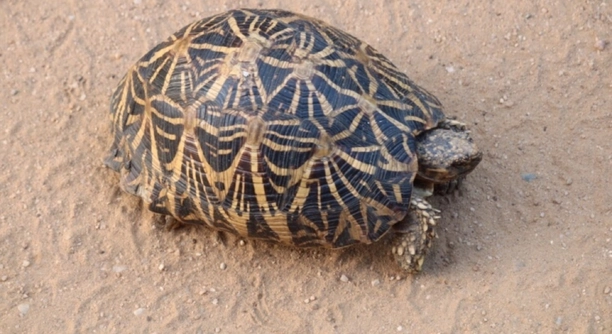
Caring for your Indian star tortoise means paying attention to its habitat. By enriching its environment, you ensure it stays healthy and active. The right setup will help keep your tortoise engaged and comfortable for years.
Enriching your Indian star tortoise’s environment involves providing natural elements like plants, hiding spots, and varied textures. Introducing these features allows for a more stimulating and balanced habitat that supports their physical and mental well-being.
There are simple and effective ways to improve your tortoise’s environment. These tips will help create a more natural and enjoyable space for your pet.
Create a Varied Habitat with Natural Materials
A diverse environment helps your Indian star tortoise feel more at home. Using natural materials like rocks, branches, and logs gives your tortoise places to explore, hide, and climb. These additions mimic the wild, encouraging natural behavior. Small stones or logs can also be used to create safe spaces where your tortoise can rest or seek shelter.
Adding natural elements can prevent boredom and provide physical stimulation. Tortoises are active creatures, and an engaging habitat improves their overall well-being. It also allows them to express more natural behaviors, such as climbing and digging, which keep them healthy and happy.
Incorporating plants into the habitat can also be a great idea. Live, safe plants offer food and shelter. Be sure to choose non-toxic plants like dandelions, clover, and grass. Avoid any harmful varieties. Even simple grasses or edible leaves will enrich your tortoise’s space, giving it variety and freshness.
Maintain Proper Lighting and Temperature
Proper lighting and temperature are vital to your tortoise’s health. The right light and warmth help regulate their metabolism and digestion. Using a UVB light ensures they get the proper amount of sunlight, especially if they are kept indoors.
Heat lamps are another essential tool. They create a warm spot in the enclosure where your tortoise can bask, helping to regulate its body temperature. In the wild, tortoises bask in the sun to stay warm, so providing a similar experience is important for their comfort. Be sure to monitor the temperature to avoid overheating, as this can cause stress or illness.
Creating a temperature gradient in the enclosure allows your tortoise to move between cooler and warmer areas as needed. This setup mimics their natural habitat. Ensuring a balance between warmth and coolness helps your tortoise maintain optimal health, making it more active and happier overall.
Provide Hiding Spots and Shelter
Tortoises need places to hide and feel secure. Adding hiding spots like small caves or tunnels can reduce stress and give them a break when they need it. This mimics their natural desire for safe spaces.
You can create hiding areas with simple items like large rocks or small wooden boxes. Ensure they are spacious enough for your tortoise to move freely in and out. The more private, the better, as it provides them with a sense of security. Over time, your tortoise will use these spots regularly, helping it feel more at ease in its environment.
Shelters also help regulate your tortoise’s exposure to light. You can use these areas to provide shade during the warmer parts of the day. A shaded shelter will give your tortoise a place to retreat when it feels too hot or needs a quiet moment away from the rest of the enclosure.
Offer a Varied Diet for Mental Stimulation
Diet plays a big role in your tortoise’s happiness and health. Offering a variety of fresh greens, flowers, and safe fruits encourages your pet to stay engaged with its environment. Regularly changing its diet keeps things interesting for your tortoise, providing mental stimulation.
It’s important to include different textures and colors in your tortoise’s meals. Offering a range of leafy greens, such as kale, dandelion leaves, and collard greens, along with a few flowers like hibiscus or clover, ensures your tortoise gets both the nutrients and mental enrichment it needs. Avoid feeding them foods that are too high in fat or sugars.
Another great idea is to place food in different areas of the enclosure. This encourages your tortoise to move around and forage for its meal, which mimics natural behaviors. A varied diet, combined with a little hunting for food, helps prevent boredom while improving your tortoise’s physical and mental health.
Add Substrate for Digging and Exploration
A soft, natural substrate allows your tortoise to dig and explore. This type of bedding can replicate their natural environment, where they often burrow or search for food. It also helps in maintaining proper humidity levels in the enclosure.
Materials like coconut fiber, organic soil, or reptile-safe sand work well for this purpose. The substrate should be deep enough to allow for some digging but not too thick to cause discomfort. Avoid using cedar or pine bedding, as it can release harmful oils that are toxic to tortoises.
By providing a natural substrate, you give your tortoise the freedom to act according to its instincts. The substrate will also encourage them to move around more, promoting exercise and a healthier lifestyle.
Create Different Levels for Climbing
Introducing various heights and surfaces will add an extra layer of excitement to your tortoise’s habitat. It can climb small rocks or logs to create different levels within its space. This setup mimics natural environments where tortoises might climb to explore or escape predators.
Climbing structures also provide exercise and help with muscle development. Not all tortoises are natural climbers, but adding low logs or flat stones can encourage movement and provide both enrichment and fun. It gives them a change of scenery and a place to exercise their legs.
Keep the Enclosure Clean
Regular cleaning of your tortoise’s enclosure ensures a healthy environment. Remove uneaten food and waste to prevent the build-up of bacteria and fungus, which can lead to illness. A clean space also promotes a comfortable living environment for your tortoise.
Cleaning the enclosure at least once a week is important. This includes washing water bowls, wiping down surfaces, and replacing bedding when needed. Keeping the space tidy and hygienic is essential for maintaining both the physical health of your tortoise and the cleanliness of its environment.
FAQ
How often should I clean my Indian star tortoise’s enclosure?
Cleaning your tortoise’s enclosure should be done at least once a week. However, you should spot clean daily by removing any uneaten food or waste. This helps maintain hygiene and prevents the growth of harmful bacteria. You may need to clean more frequently if you have multiple tortoises or notice an odor in the enclosure.
What type of substrate is best for my tortoise?
For an Indian star tortoise, the best substrates are those that are natural, safe, and allow for digging. Coconut fiber, organic soil, or a mixture of organic potting soil and sand works well. Ensure the substrate is deep enough for your tortoise to dig and burrow in, which is a natural behavior. Avoid substrates made from cedar or pine, as these can release oils that are toxic to tortoises.
Can I use a heat lamp for my tortoise’s enclosure?
Yes, a heat lamp is essential for your tortoise’s enclosure. It creates a basking area where your tortoise can regulate its body temperature. Make sure the temperature gradient in the enclosure allows your tortoise to move between warmer and cooler areas. Monitor the heat closely, as excessive heat can lead to stress or dehydration.
What should I feed my Indian star tortoise?
An Indian star tortoise’s diet should consist mainly of leafy greens like collard greens, dandelion leaves, and romaine lettuce. It’s also important to include safe flowers such as hibiscus and clover. Occasionally, you can offer fruits like strawberries or melon, but these should be limited. Always provide fresh food daily, and avoid feeding them high-protein or high-fat items.
How can I make my tortoise’s habitat more stimulating?
To make your tortoise’s habitat more stimulating, include elements like rocks, branches, and logs for climbing. Offering different textures and materials for digging will also help. Adding live plants, such as grasses and dandelions, can mimic their natural environment, giving your tortoise a more interactive space. You can even hide food in different places within the enclosure to encourage foraging behavior.
What type of lighting does my tortoise need?
Your tortoise needs both UVB and heat lighting. UVB light is necessary for the proper absorption of calcium and for overall health. Place a UVB bulb above the basking area for 10-12 hours a day. A heat lamp is also essential for creating a warm basking area. Ensure the temperature in the basking spot is around 90°F (32°C), and the cooler side of the enclosure should be around 75°F (24°C).
How big should my tortoise’s enclosure be?
The size of your tortoise’s enclosure should be large enough to allow it to roam, explore, and exercise. A general rule is at least 4 square feet for an adult tortoise. If possible, the larger the better, as tortoises thrive in spacious environments. Remember, they are naturally active and need space to move around, especially if you plan to have more than one tortoise.
Can I house multiple tortoises together?
Yes, you can house multiple Indian star tortoises together, but only if they get along. Tortoises are generally solitary animals, and in some cases, they may show aggression toward each other. If you plan on keeping more than one, ensure there is enough space for each to have its own basking area and hiding spots. Observe their behavior closely for signs of aggression and be prepared to separate them if necessary.
How do I know if my tortoise is stressed?
Signs of stress in a tortoise include changes in behavior, such as hiding excessively, not eating, or becoming less active. Other signs might include constant pacing, weight loss, or abnormal breathing. Stress can be caused by factors like improper temperature, lighting, or overcrowding. If your tortoise shows any of these signs, check the environment and make necessary adjustments.
What is the ideal humidity level for my tortoise?
The ideal humidity level for an Indian star tortoise should be around 50-60%. Too low of humidity can cause dehydration, while too high can lead to respiratory issues. You can maintain the right level by misting the enclosure lightly or adding moisture-retaining substrates like coconut fiber. Always monitor the humidity with a hygrometer to ensure it stays within the ideal range.
Final Thoughts
Creating a comfortable and enriching environment for your Indian star tortoise is essential for its well-being. By incorporating natural elements like rocks, branches, and live plants, you can mimic the tortoise’s natural habitat and provide opportunities for exploration and mental stimulation. These simple additions help encourage natural behaviors like climbing, digging, and foraging, which are important for your tortoise’s physical and mental health. A well-designed habitat not only improves their overall quality of life but also keeps them active, curious, and engaged.
In addition to environmental enrichment, proper lighting, temperature control, and a varied diet are key components to a healthy living space for your tortoise. Providing both UVB lighting and heat allows your tortoise to regulate its body temperature and get the calcium it needs to stay strong. Offering a variety of fresh, safe greens, flowers, and occasional fruits will also keep your tortoise well-nourished and mentally stimulated. With the right balance of warmth, food, and environment, your tortoise can thrive and live a happy, healthy life.
Taking the time to ensure that your tortoise’s habitat meets its physical and emotional needs will make a significant difference. Whether you are a first-time tortoise owner or someone with more experience, creating an enriching environment doesn’t have to be complicated. Small adjustments and thoughtful additions can go a long way in making your tortoise’s space more enjoyable. A healthy, active tortoise is a sign that you’re on the right track, so continue to observe, learn, and adapt as needed. Your efforts will help ensure that your tortoise lives a fulfilling and stress-free life.

Hello,
If you enjoy the content that we create, please consider saying a "Thank You!" by leaving a tip.
Every little bit helps us continue crafting quality advice that supports the health, happiness, and well-being of pets around the world, for pets of all shapes, sizes, and species.
We really appreciate the kindness and support that you show us!