
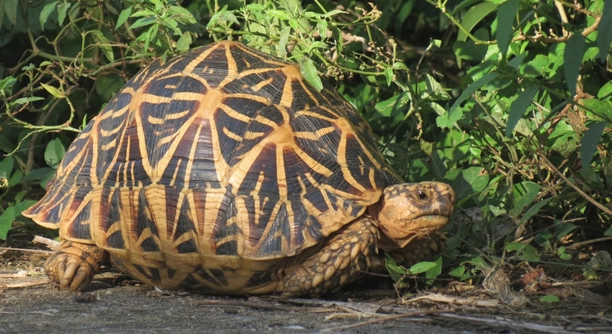
Indian Star Tortoises are beautiful, unique creatures that can sometimes seem shy or reserved, especially when they prefer the shade. If you’re noticing that your tortoise is always hiding in darker areas, it may be a sign of something important.
Tortoises like the Indian Star Tortoise often seek shade for various reasons, including regulating their body temperature, avoiding stress, or adapting to their environment. Excessive heat or sunlight can make them uncomfortable, causing them to retreat to cooler, shaded areas.
This behavior is natural, but it’s essential to understand what could be affecting your tortoise’s habitat and health. By paying attention to their needs, you can create a better environment for them.
Why Your Tortoise Might Be Seeking Shade
When your Indian Star Tortoise consistently prefers the shade, it might be because they are trying to avoid excessive heat. These tortoises, like many reptiles, regulate their body temperature based on the surrounding environment. If the area where they live is too hot or if there’s no available cooler spot, they instinctively move to shaded areas to cool down. A tortoise’s body temperature needs to stay within a certain range for its health, and the shade helps with that.
If you notice your tortoise spending more time in shaded spots than usual, it could also be a sign that the area they are in is too hot or there isn’t enough shelter to escape from the sun. Outdoor enclosures should have plenty of shaded spaces, such as plants or hides, to keep your tortoise comfortable and safe. Without proper shade, your tortoise might feel stressed or overheated.
Ensuring your tortoise has access to shaded areas within its enclosure is crucial for its well-being. It’s also important to monitor the temperature, as it may fluctuate throughout the day. Proper care will help your tortoise thrive, staying cool and content in its habitat.
How Temperature Affects Tortoise Behavior
Temperature plays a big role in your tortoise’s behavior.
A well-regulated environment helps your tortoise feel secure and comfortable. For an Indian Star Tortoise, a basking area should be kept at about 90°F, while the cooler areas of the enclosure should stay between 75°F and 80°F. This range helps maintain their health and energy levels, as too much heat can cause them to hide in the shade to cool off. When temperatures rise too high, their instinct is to escape to cooler spots, and they may appear more lethargic or reluctant to eat. This is a protective mechanism to avoid overheating. Therefore, regularly checking the temperature is important to avoid unnecessary stress.
A temperature imbalance can cause a variety of issues for your tortoise. You may see them spending less time active and more time hidden, which is their way of coping with discomfort. In some cases, excessive heat might even affect their digestion, causing a lack of appetite. It’s essential to provide a balanced climate for your tortoise’s overall health, so they stay active and happy.
Stress and Hiding in the Shade
Stress can cause your tortoise to seek shade more often than usual.
Tortoises are sensitive to changes in their environment, and things like loud noises, unfamiliar people, or other pets can trigger stress. When stressed, your Indian Star Tortoise might retreat to shaded areas for comfort and safety. A shaded spot can feel more secure, allowing them to escape perceived threats.
Changes in the size or setup of their enclosure can also make them feel uneasy. Tortoises are creatures of habit, and when their environment shifts, it can cause them to retreat into darker spaces to feel protected. It’s important to keep their surroundings calm and stable to minimize stress.
Poor Diet and Dehydration
A lack of proper nutrition can lead to changes in behavior, such as increased shade-seeking.
If your tortoise isn’t eating the right foods or isn’t getting enough hydration, it may retreat into the shade more often. Dehydration, in particular, can make them feel sluggish and uncomfortable in warmer temperatures. A well-balanced diet with plenty of leafy greens, vegetables, and access to clean water is essential. Without proper nutrients and hydration, your tortoise may not feel energetic enough to explore and bask in the sun.
Hydration is especially crucial for tortoises, as they don’t drink water as regularly as other pets. Offering water in shallow dishes and providing moisture-rich food like cucumbers and leafy greens can help prevent dehydration. By addressing diet and hydration, you can help your tortoise maintain its energy levels and avoid staying in the shade all day.
Inadequate Lighting
Inadequate lighting may cause your tortoise to avoid basking.
Without proper UVB lighting, your Indian Star Tortoise may not feel encouraged to move into a basking spot. UVB light helps tortoises produce vitamin D3, essential for calcium absorption. Without it, your tortoise’s behavior can shift, and it may seek cooler, darker areas more frequently.
Health Issues
Health problems can make your tortoise retreat into the shade.
If your tortoise is feeling unwell, it may spend more time in the shade. Conditions like shell rot, respiratory infections, or digestive issues can make them feel lethargic and stressed. When this happens, they seek shaded areas to rest and conserve energy. Keeping a close eye on your tortoise’s behavior can help detect early signs of illness. If they seem overly sluggish or avoid eating, a vet check may be necessary to rule out any underlying health problems.
FAQ
Why does my tortoise keep hiding in the shade?
If your tortoise is hiding in the shade, it’s likely trying to regulate its temperature. Tortoises are cold-blooded and rely on their surroundings to control their body temperature. If the area is too hot, they’ll naturally seek cooler, shaded spots to stay comfortable. It could also be a sign of stress, illness, or improper lighting.
Can too much heat cause my tortoise to hide in the shade?
Yes, excessive heat is a common reason why tortoises hide in the shade. If the temperature in their environment exceeds their comfort zone, they may retreat to cooler spots to avoid overheating. Make sure your enclosure has a mix of warm and cool areas, with shaded spots for relief from the heat.
How can I tell if my tortoise is stressed?
Stress in tortoises often shows through behavior like excessive hiding, lack of appetite, or lethargy. If your tortoise is hiding more than usual or seems less active, it could be stressed. Stressors can include sudden changes in the environment, loud noises, or the presence of other animals.
Can my tortoise be too cold if it’s always hiding in the shade?
Yes, if the temperature drops too low, your tortoise may retreat to the shade or even hibernate. Make sure there are warm areas where your tortoise can bask, ideally around 90°F. If your tortoise is hiding to avoid the cold, it’s important to warm up its environment to prevent illness.
What kind of lighting does my tortoise need?
Indian Star Tortoises need UVB lighting to produce vitamin D3 and absorb calcium. Without proper UVB exposure, they may become lethargic and spend more time hiding. Place a UVB light over the basking area, ensuring your tortoise gets 10-12 hours of exposure daily.
How much space does my tortoise need in its enclosure?
A spacious enclosure is essential for your tortoise’s well-being. The general rule is at least 10 square feet per tortoise, but larger is always better. Providing enough space encourages natural behaviors like exploration and foraging. Make sure to include plenty of hiding spots and shaded areas for comfort.
Is it normal for my tortoise to avoid basking in the sun?
It can be normal for a tortoise to avoid basking in the sun if the temperature is too high, or if they feel stressed. However, regular basking is crucial for their health, so make sure your tortoise has access to both sunlight and shade. If they avoid basking altogether, it may be a sign of discomfort or illness.
What should I feed my tortoise to keep it healthy?
A healthy diet for an Indian Star Tortoise consists mainly of leafy greens, grasses, and some vegetables. You can also offer occasional fruits, but they should make up only a small portion of the diet. Ensure your tortoise has access to fresh water and is getting enough fiber to promote good digestion.
Why is my tortoise not eating?
A tortoise might stop eating if it’s stressed, unwell, or its environment isn’t suitable. Poor lighting, incorrect temperatures, and inadequate diet can all affect their appetite. If your tortoise isn’t eating for an extended period, it’s best to check for signs of illness and consult a veterinarian if needed.
Can my tortoise get dehydrated?
Yes, tortoises can become dehydrated if they don’t have enough access to water. Since they don’t drink water as frequently as other animals, it’s important to offer water daily in shallow dishes. You can also provide moisture-rich foods like cucumbers and leafy greens to help with hydration.
How do I know if my tortoise is healthy?
A healthy tortoise will have clear, bright eyes, a smooth and firm shell, and be active during the day. They should eat regularly and show interest in exploring their enclosure. If you notice any signs of lethargy, loss of appetite, or abnormal behavior, it could indicate a health problem that needs attention.
Can my tortoise live with other pets?
Indian Star Tortoises are generally peaceful creatures, but it’s important to consider their compatibility with other pets. Avoid keeping them with larger or more aggressive animals, as they may cause stress or harm. If you want to introduce a new pet, make sure both animals have enough space and resources to feel comfortable.
What should I do if my tortoise’s shell looks damaged?
If your tortoise’s shell is cracked or damaged, it’s important to take them to a veterinarian for evaluation. Shell injuries can lead to infections if not properly treated. Until then, keep the tortoise in a clean and dry environment to avoid further contamination and stress.
Is it normal for my tortoise to sleep a lot?
Tortoises can sleep a lot, especially during colder months or when they’re feeling unwell. However, if your tortoise is sleeping excessively or seems lethargic, it might indicate a health problem or that the environmental conditions aren’t right. Monitor its behavior and adjust its habitat as needed.
How can I improve my tortoise’s enclosure?
To improve your tortoise’s enclosure, make sure it includes enough space, both warm and cool areas, and plenty of hiding spots. Add UVB lighting, proper bedding, and a shallow water dish. If you’re keeping them outside, make sure the enclosure is secure and free from predators.
Final Thoughts
It’s important to understand that Indian Star Tortoises are creatures that rely heavily on their environment for comfort and health. When your tortoise spends more time in the shade, it’s often an indication of a temperature issue or a response to stress. Tortoises are cold-blooded animals, meaning they need external heat sources to regulate their body temperature. If they feel too hot, they will instinctively seek out cooler areas, like the shade, to avoid overheating. Ensuring your tortoise has a balanced environment with both warm basking spots and shaded areas is crucial for their well-being.
In addition to temperature, stress and health problems can also cause your tortoise to hide in the shade. A sudden change in their environment, an unfamiliar presence, or an overcrowded space can make your tortoise feel unsafe. It’s also worth noting that illness can affect your tortoise’s behavior. If they seem lethargic, aren’t eating, or are hiding for extended periods, it might be time to visit a vet. Addressing the underlying cause of their behavior will help you create a more comfortable living space and ensure your tortoise stays happy and healthy.
Lastly, always keep in mind the importance of proper lighting and diet. UVB light is essential for your tortoise to absorb calcium, which affects their overall health and behavior. A proper diet, rich in leafy greens and supplemented with enough hydration, also plays a huge role in their well-being. By maintaining the right temperature, offering a balanced diet, and ensuring a stress-free environment, you’ll be able to provide a more enjoyable and comfortable life for your Indian Star Tortoise.

Hello,
If you enjoy the content that we create, please consider saying a "Thank You!" by leaving a tip.
Every little bit helps us continue crafting quality advice that supports the health, happiness, and well-being of pets around the world, for pets of all shapes, sizes, and species.
We really appreciate the kindness and support that you show us!