
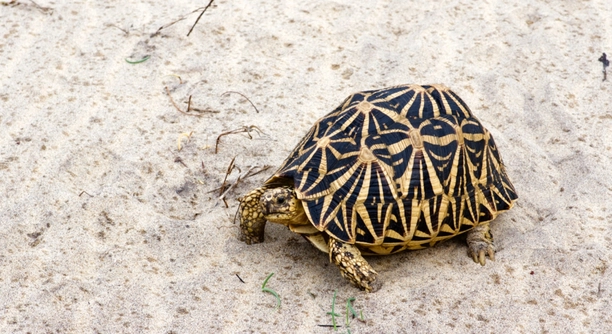
Setting up a healthy environment for your Indian Star Tortoise is crucial for its well-being. The right items will help ensure that your tortoise thrives in its tank, with the proper care and habitat needed to grow.
To create a balanced and healthy Indian Star Tortoise tank, you will need a few essential items. These include a suitable substrate, heating elements, proper lighting, a water dish, hides, basking areas, and a humidity control system to maintain optimal conditions.
With these basic items, you will provide a comfortable and safe space for your tortoise to live. Understanding each one’s role is key to supporting its health in the long run.
Substrate: The Foundation for Your Tortoise’s Tank
Choosing the right substrate is essential for your Indian Star Tortoise tank. It provides a comfortable surface for your tortoise to move around and also helps maintain proper humidity levels. A good choice for the substrate is a mixture of soil and sand, as it mimics their natural environment and promotes digging behavior. Avoid substrates like gravel, as they can cause injury if ingested. The depth of the substrate should be at least 2–3 inches, ensuring that your tortoise has enough space to burrow and explore.
A clean, dry substrate helps maintain healthy conditions in the tank. Regularly spot clean any waste to keep the habitat sanitary. This will prevent the growth of harmful bacteria and maintain a more comfortable living space for your tortoise.
In addition to providing a suitable substrate, consider adding leaves or dried grass for variety. This can offer both enrichment and a naturalistic touch to the tank, making it feel more like their natural environment.
Heating Elements: Maintaining Proper Temperature
Heat is vital for the survival of your tortoise.
Ensure you have a reliable heating element that can maintain a proper temperature gradient in the tank. This will help your tortoise regulate its body temperature effectively. A basking light and a ceramic heat emitter are ideal for providing consistent warmth.
Lighting: Providing Essential UVB Light
UVB light is crucial for your tortoise’s health. It helps them absorb calcium and promotes a strong, healthy shell. Without UVB light, your tortoise may develop health problems like shell deformities or metabolic bone disease. Use a high-quality UVB bulb and ensure it’s positioned at the right height.
UVB lights need to be replaced regularly, even if they still seem to be working. Over time, the light’s effectiveness decreases, which can affect your tortoise’s health. Keep the light on for about 10–12 hours a day to mimic natural sunlight and ensure your tortoise gets the necessary exposure.
Along with the UVB light, your tortoise will also need access to natural sunlight when possible. Allowing it to bask in natural sunlight, even for short periods, will provide additional benefits. This helps your tortoise maintain healthy behaviors and supports its overall well-being.
Water Dish: Hydration and Cleanliness
A clean water dish is a simple but important item for your tortoise’s tank.
Your tortoise needs fresh water available at all times. Ensure the dish is shallow enough for your tortoise to reach without risk of drowning. It should also be large enough to let your tortoise soak if it desires. Water helps maintain hydration and supports healthy digestion.
Change the water regularly to prevent the growth of bacteria. The dish should be cleaned thoroughly each time to avoid contamination. If your tortoise is reluctant to drink, try adjusting the dish’s location or the water’s temperature, as some tortoises prefer slightly warmer water.
Hides: A Safe Space for Your Tortoise
Hides are essential for providing your tortoise with a sense of security. Tortoises need a place to retreat when they feel stressed or need rest. A simple hide made of wood, ceramic, or plastic will suffice. Ensure it is large enough for your tortoise to fit comfortably.
Place the hide in a quiet, undisturbed part of the tank to encourage use. It’s important for your tortoise to have easy access to this refuge at all times. A hide also helps regulate the humidity within the tank, creating a more comfortable environment.
Basking Area: Temperature Control for Comfort
A proper basking area is necessary for your tortoise to regulate its body temperature. This spot should be placed under the heat source, allowing your tortoise to soak up the warmth and digest food properly. A flat rock or platform can work well.
Ensure that the basking spot is large enough for your tortoise to spread out. It should also be at a temperature between 90–100°F to mimic natural conditions. A temperature gradient in the tank allows your tortoise to move between warm and cooler areas, ensuring optimal health.
Humidity Control: Keep the Air Right
Humidity is another important factor to consider for your tortoise’s health.
The ideal humidity level for an Indian Star Tortoise is around 50–70%. You can maintain this by misting the tank regularly and using a humidity gauge to monitor levels.
FAQ
How often should I clean my tortoise tank?
Cleaning your tortoise tank should be a regular task to ensure a healthy environment. Spot clean the substrate daily by removing waste and uneaten food. A deeper cleaning should be done every 2–3 weeks, including changing the substrate and disinfecting the water dish. This helps prevent bacteria buildup and maintains a comfortable living space for your tortoise.
Can I use a regular lightbulb for my tortoise’s UVB lighting?
No, regular lightbulbs do not provide the necessary UVB rays that your tortoise needs for proper calcium absorption. UVB-specific bulbs, designed for reptiles, should be used to ensure your tortoise gets adequate exposure. These bulbs emit the required UVB rays, which are essential for your tortoise’s health, especially for shell growth and preventing bone diseases.
What temperature should I keep the tank at?
The temperature of the tank should have a gradient, with the basking spot around 90–100°F and the cooler side ranging from 75–80°F. This allows your tortoise to move between areas to regulate its body temperature. Maintaining the correct temperature is crucial for digestion, overall health, and active behavior.
Is it okay to keep my tortoise in a small tank?
It’s important to provide your tortoise with enough space to move freely. A cramped tank can cause stress and prevent the tortoise from exhibiting natural behaviors. A minimum tank size of 40 gallons is recommended for an adult Indian Star Tortoise. A larger tank gives them room to roam and helps maintain a more stable environment.
What kind of substrate should I use for my tortoise?
A mix of soil and sand is ideal for creating a natural environment in your tortoise’s tank. It should be deep enough to allow for digging and burrowing. Avoid using substrates like gravel or cedar shavings, as they can be harmful if ingested or cause respiratory issues. Regularly replace the substrate to maintain cleanliness.
Do I need a special water dish for my tortoise?
Yes, your tortoise needs a shallow, stable water dish. It should be large enough for your tortoise to soak in, which helps with hydration and keeps its skin healthy. Make sure the dish is easy to clean and not too deep to prevent accidental drowning. Always offer fresh water.
How long do Indian Star Tortoises live?
Indian Star Tortoises can live for several decades, with a lifespan ranging from 30 to 50 years or more. They require a consistent, stable environment to thrive throughout their long lives. Regular care, a proper diet, and a clean habitat will help ensure they live a healthy, long life.
Can I handle my tortoise?
While it’s fine to interact with your tortoise, excessive handling can cause stress. Indian Star Tortoises are more solitary creatures and may not enjoy being handled too often. When you do handle them, be gentle and keep it brief. Allow your tortoise to roam in its tank and explore freely.
Do I need to supplement my tortoise’s diet with vitamins or minerals?
Yes, a well-balanced diet for your tortoise should include a variety of leafy greens, vegetables, and occasional fruits. To ensure they get the necessary nutrients, provide calcium and vitamin D3 supplements. These supplements are important to prevent bone-related issues. Avoid over-supplementing, as too much can be harmful.
Should I provide my tortoise with a hiding spot?
Yes, hiding spots are important for your tortoise to feel secure. Tortoises are shy animals and need a place to retreat to when they feel threatened or need rest. Providing a hide made from ceramic, wood, or plastic ensures they have a safe space to relax in.
How often should I feed my tortoise?
Your tortoise should be fed every other day, with fresh leafy greens, vegetables, and a small amount of fruit. The amount of food should be based on the size of your tortoise. Avoid overfeeding, as it can lead to obesity. Offer fresh food daily and remove any uneaten portions.
Can I keep multiple tortoises together?
It’s generally not recommended to house multiple tortoises together, especially in smaller enclosures. Tortoises are solitary by nature and may become aggressive with each other, especially during feeding time or if space is limited. If you do house more than one, ensure each has its own space to avoid conflict.
Do I need to provide UVB light even if my tortoise gets sunlight?
Yes, while natural sunlight is beneficial, it’s still important to provide UVB light year-round, especially during the colder months when access to natural sunlight may be limited. UVB bulbs are designed to emit the proper wavelengths needed for calcium absorption and overall health.
Can I feed my tortoise fruit?
Yes, tortoises can have fruit occasionally, but it should be offered in moderation. Too much fruit can lead to digestive issues due to its high sugar content. Stick to low-sugar fruits like apples and berries, and make sure the majority of their diet consists of leafy greens and vegetables.
What kind of vegetables should I feed my tortoise?
Leafy greens like dandelion greens, collard greens, and mustard greens are great choices for your tortoise. You can also offer vegetables like squash, bell peppers, and carrots. Avoid feeding iceberg lettuce, as it has little nutritional value. Variety is key to a healthy diet.
How do I know if my tortoise is healthy?
A healthy tortoise should have clear eyes, a strong shell, and be active, especially during basking times. It should eat regularly and show interest in its surroundings. If your tortoise is lethargic, has difficulty eating, or shows signs of shell damage, it may be sick, and you should consult a vet.
Final Thoughts
Setting up a proper habitat for your Indian Star Tortoise is essential for its health and well-being. The tank should mimic its natural environment as much as possible, providing the right temperature, humidity, and space. A well-maintained tank ensures your tortoise stays comfortable, active, and stress-free. By focusing on these key elements—such as UVB lighting, hides, basking areas, and humidity control—you can create a safe and enriching environment for your tortoise. Ensuring your tortoise’s needs are met will lead to a long, healthy life for your pet.
While it’s easy to overlook the small details, each element in the tank plays an important role in your tortoise’s overall health. A proper basking spot, a good substrate for digging, and access to clean water will all contribute to a stress-free environment. Regular cleaning and monitoring of temperature and humidity will also prevent issues like shell rot or respiratory problems. This can help avoid health issues in the long term. Being consistent with care and offering a well-balanced diet will help your tortoise thrive.
In conclusion, a healthy Indian Star Tortoise tank setup is all about balance and attention to detail. Providing the right environment helps your tortoise feel secure and supports its natural behaviors. It’s not just about meeting basic needs but ensuring your tortoise can enjoy its life comfortably and healthily. Regularly check on the tank conditions, keep an eye on the tortoise’s behavior, and adapt as needed. With time and effort, you can enjoy watching your tortoise grow in a safe, stimulating habitat.

Hello,
If you enjoy the content that we create, please consider saying a "Thank You!" by leaving a tip.
Every little bit helps us continue crafting quality advice that supports the health, happiness, and well-being of pets around the world, for pets of all shapes, sizes, and species.
We really appreciate the kindness and support that you show us!