
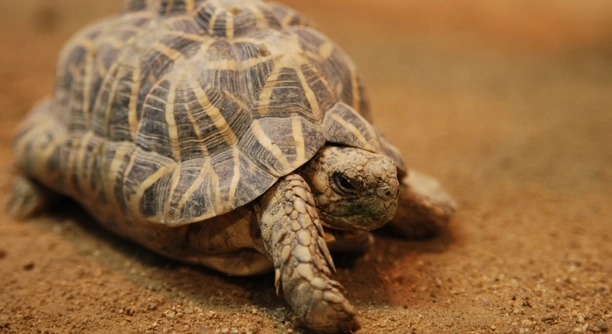
Creating the ideal humidity levels for Indian Star Tortoises is an important part of their care. Maintaining the right environment ensures their health and well-being. A proper setup supports their natural behavior and prevents health issues.
To achieve the ideal humidity levels, start by using a reliable hygrometer to monitor the enclosure. Maintain humidity between 50% and 70%. Mist the enclosure regularly and provide a humidity gradient, with drier and more humid areas. Consider a substrate that retains moisture.
Ensuring the right balance of humidity will not only help your tortoise thrive but will also contribute to a more enjoyable experience. Continue reading to explore the essential steps for creating the perfect environment.
Choosing the Right Substrate for Humidity Control
The right substrate plays a significant role in maintaining the humidity levels in your tortoise’s enclosure. A good substrate will not only provide a comfortable surface for your tortoise but will also help retain moisture, which is essential for creating the ideal humidity environment. Coconut coir, orchid bark, and cypress mulch are some of the best options for this. They are capable of holding moisture while allowing for proper drainage, preventing the growth of mold or bacteria. When choosing a substrate, ensure it is safe and non-toxic for your tortoise.
It’s important to keep the substrate slightly moist but not soaked. The moisture helps in maintaining a steady humidity level, especially during warmer months. You can adjust the moisture level by adding water and stirring the substrate occasionally. The correct balance ensures your tortoise has a healthy and comfortable habitat.
Adding plants like ferns can also help improve humidity, as they naturally release moisture into the air. Some plants also provide a more naturalistic appearance, which can benefit your tortoise by reducing stress and encouraging natural behaviors.
Mist Regularly
Misting your tortoise’s enclosure is a simple yet effective way to control humidity. It’s an easy method to maintain consistent moisture levels, especially during dry seasons. By using a spray bottle, you can gently mist the area without over-saturating the substrate.
Regular misting helps to recreate the natural humid environments Indian Star Tortoises are accustomed to. To avoid excess moisture, mist in short bursts, monitoring the humidity levels closely to ensure the right balance.
Provide a Humidity Gradient
Creating a humidity gradient in the enclosure is essential for allowing your tortoise to choose a preferred environment. A gradient means having areas with higher humidity and others with lower humidity. This setup mimics the natural habitat of Indian Star Tortoises, offering them a range of conditions that support their well-being.
You can achieve this gradient by placing a water dish in one corner of the enclosure or using a humidifier. This allows moisture to build up in that area. Meanwhile, the other side of the enclosure should remain drier, giving the tortoise an area to escape to when it wants lower humidity.
The balance in the humidity gradient should be checked regularly to ensure it stays within the ideal range. Adjust the position of the water dish or mist the areas accordingly. With this setup, your tortoise will have access to varying levels of humidity throughout the enclosure.
Use a Humidifier
A humidifier can be a game-changer in regulating humidity, especially in drier climates. Setting up a humidifier in the room where your tortoise is housed will help maintain stable humidity levels. Keep the humidity within the recommended 50-70% range.
If you opt for a humidifier, make sure to use one that doesn’t produce too much mist, as this could cause the enclosure to become overly damp. Regular maintenance of the humidifier is also necessary to prevent mold growth and maintain its efficiency.
It’s also important to avoid placing the humidifier too close to the tortoise’s habitat. This ensures that moisture is distributed evenly without making one area excessively wet. Keeping a consistent humidity level will help your tortoise stay healthy and stress-free.
Monitor Humidity Levels
Regularly monitoring humidity is key to keeping your tortoise’s environment stable. Use a reliable hygrometer to measure the humidity. This tool will help you ensure the correct range of 50-70% is maintained. Checking at different times of day gives you a clearer picture of fluctuations.
You may need to adjust your misting routine or reposition the water dish based on these readings. Consistent monitoring helps you stay proactive in managing your tortoise’s habitat.
Adjust Enclosure Size
The size of the enclosure can impact how humidity is maintained. Smaller enclosures tend to dry out faster, while larger ones retain moisture for longer. The size influences your humidity setup and maintenance.
For a larger enclosure, you might need a more powerful humidifier or additional misting. Adjust the enclosure size as necessary to maintain a balance between space and humidity control.
Check for Proper Ventilation
Proper ventilation is essential for maintaining a healthy environment for your tortoise. Without adequate airflow, moisture can build up too much, leading to mold or other health risks. Ventilation helps maintain a fresh air supply while keeping humidity stable.
FAQ
What is the ideal humidity level for Indian Star Tortoises?
The ideal humidity level for Indian Star Tortoises is between 50% and 70%. This range helps mimic their natural habitat and ensures proper hydration and skin health. Humidity that is too low can lead to dehydration, while excessive moisture can cause respiratory issues.
How can I monitor the humidity levels in my tortoise’s enclosure?
To monitor humidity, use a digital or analog hygrometer. Place it in the center of the enclosure to get an accurate reading. Make sure to check it regularly, as humidity levels can change depending on the temperature, misting, or ventilation.
Can I use a heat mat to control humidity?
A heat mat can help regulate temperature, but it’s not designed to control humidity. However, by placing it in the right area, it can help create a thermal gradient. This may indirectly influence humidity by promoting airflow. For humidity control, focus on misting and substrates.
How often should I mist the enclosure?
Misting should be done once or twice a day, depending on the humidity levels. During drier months or if the air is particularly dry, you may need to mist more frequently. Ensure that the substrate remains damp but not soaked, and avoid over-saturating the entire space.
What should I do if the humidity level goes too high?
If the humidity goes over 70%, it’s important to adjust by increasing ventilation, reducing misting, or moving the water dish. You can also use a dehumidifier in the room to control excess moisture. Consistent airflow is essential in such cases.
Can I use a sponge to increase humidity in my tortoise’s enclosure?
Yes, a clean, damp sponge can be used to boost humidity. Placing it in a shallow dish or on a surface inside the enclosure can release moisture gradually. However, ensure the sponge is not too wet, as excessive moisture can cause mold.
What are the signs of improper humidity for my tortoise?
Signs of improper humidity include dry, flaky skin, excessive drinking, lethargy, or difficulty shedding. If humidity is too high, your tortoise may become stressed or show signs of respiratory issues like wheezing. Keep an eye on these symptoms and adjust accordingly.
Should I provide a humidifier for my tortoise’s enclosure?
Using a humidifier can help maintain consistent humidity levels, especially in dry climates or during winter months. Set it up near the enclosure, but avoid placing it directly inside to prevent over-wetting. Be sure to clean the humidifier regularly to avoid mold and bacteria buildup.
Can I use live plants to help with humidity?
Yes, live plants can be a natural way to help maintain humidity. Plants like ferns, moss, and bamboo release moisture into the air through transpiration, contributing to a more humid environment. They also provide hiding spots and enrichment for your tortoise.
How does temperature affect humidity in the enclosure?
Temperature plays a significant role in humidity levels. Warmer temperatures will cause moisture to evaporate faster, which can reduce humidity. If the temperature fluctuates, humidity will need to be adjusted accordingly to ensure the proper range is maintained.
Can too much humidity be harmful to my tortoise?
Yes, excessive humidity can lead to respiratory issues or fungal infections. It’s essential to maintain the humidity within the recommended range and ensure proper ventilation to avoid stagnant air. Always monitor both humidity and temperature closely for optimal health.
Can I use a water dish to help control humidity?
A water dish is a simple way to help maintain humidity, especially if placed near a heat source. As the water evaporates, it contributes moisture to the air. Ensure the water dish is shallow and cleaned regularly to prevent bacteria buildup.
What’s the best way to clean and maintain the humidity in my tortoise’s enclosure?
To clean the enclosure, remove old substrate and replace it with fresh material. Regularly mist the substrate to maintain humidity. Clean water dishes, remove waste, and check for mold buildup. Ensure the enclosure is well-ventilated to prevent excess moisture accumulation.
How do I adjust humidity levels during the winter?
Winter can cause indoor air to become dry, which may lead to lower humidity levels. During this time, consider using a humidifier or increasing misting to maintain humidity. You can also place a shallow water dish near a heat source to help increase moisture.
Is it necessary to provide a dry area in the enclosure?
Yes, it’s important to provide a dry area within the enclosure. This gives your tortoise the option to move away from more humid zones, especially if they need to dry off or seek a cooler area. Use a substrate that allows for varying moisture levels.
How can I ensure my tortoise stays hydrated?
Hydration is essential for your tortoise’s overall health. In addition to maintaining the proper humidity, offer fresh water in a shallow dish. Make sure the water is easily accessible and cleaned regularly. You can also gently soak your tortoise in water to ensure it stays hydrated.
How do I prevent mold in the enclosure?
To prevent mold, ensure proper ventilation in the enclosure and avoid over-wetting the substrate. If you notice mold growth, remove the affected areas immediately and replace the substrate. Also, clean any water dishes frequently and keep humidity levels within the recommended range.
Final Thoughts
Maintaining the right humidity levels for Indian Star Tortoises is crucial for their health and well-being. These tortoises are native to dry, semi-arid regions, but they still need a certain level of moisture in their environment. By closely monitoring humidity, providing proper ventilation, and adjusting the enclosure setup as needed, you can create a suitable habitat for your tortoise. This attention to detail helps avoid common health issues that can arise from improper humidity, such as dehydration or respiratory problems. Ensuring the right balance also supports healthy shedding and skin health, which is vital for your tortoise’s overall condition.
It’s important to use tools like a hygrometer to measure the humidity levels accurately. Simple adjustments like misting the substrate or moving a water dish can help maintain the ideal range. While humidity is essential, it’s equally important not to overdo it. Excessive moisture can lead to mold or cause respiratory issues for your tortoise. Be mindful of the humidity levels and adjust them gradually to avoid stress on your tortoise. The goal is to recreate a comfortable and natural environment where your tortoise can thrive.
By following these simple steps, you can provide a better life for your tortoise. It might take a bit of trial and error to find what works best, but your tortoise’s health and happiness are worth it. With consistent care and attention, you’ll help your Indian Star Tortoise live a long, healthy life. Keep learning, monitoring, and adjusting as necessary, and you’ll create an optimal environment for your pet.

Hello,
If you enjoy the content that we create, please consider saying a "Thank You!" by leaving a tip.
Every little bit helps us continue crafting quality advice that supports the health, happiness, and well-being of pets around the world, for pets of all shapes, sizes, and species.
We really appreciate the kindness and support that you show us!