
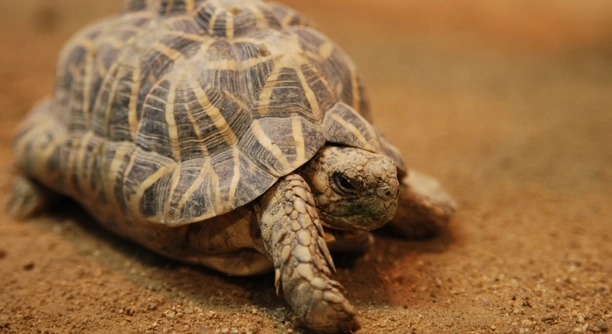
Indian star tortoises are known for their unique diets, often consisting of grasses, leaves, and flowers. Many tortoise owners are curious about feeding them herbs. It’s important to understand which herbs are safe for these reptiles.
Basil is generally safe for Indian star tortoises in moderation. However, it should not be the main component of their diet. Herbs like basil can be offered occasionally, ensuring a variety of other greens are part of their meals.
Learning about which herbs are beneficial for your tortoise will help you offer a well-rounded and safe diet, promoting their health.
Can Basil Benefit Your Indian Star Tortoise?
Basil is rich in vitamins and minerals that could support your Indian star tortoise’s overall health. However, it’s important to remember that not all herbs are suitable for tortoises. While basil provides some nutritional value, it should only be given as part of a varied diet. Offering basil occasionally, along with other leafy greens, ensures your tortoise enjoys a well-balanced meal. Excessive basil intake could lead to digestive upset, so moderation is key. Always make sure any herbs you feed are fresh, pesticide-free, and safe for your pet.
Basil can provide some antioxidants, which help protect your tortoise from cellular damage. It also contains calcium, which is essential for maintaining healthy shell growth and bone development. The herb also has anti-inflammatory properties that could benefit their overall health.
When feeding basil to your Indian star tortoise, it’s best to chop it into small pieces to avoid any choking hazards. Combine it with other nutritious foods like dandelion greens or clover. You can also mix it with grasses they already enjoy. Always wash basil leaves thoroughly before offering them to remove dirt or chemicals. While basil is safe, its strong aroma might not appeal to every tortoise, so be mindful of their preferences. Introducing new herbs gradually can help you find what works best for your pet’s diet.
How Often Should You Feed Basil to Your Tortoise?
Basil should only be offered as a treat, not a regular part of your tortoise’s diet. A few leaves once or twice a week is sufficient. Overfeeding can lead to digestive issues. It’s best to rotate basil with other greens to maintain variety and balance.
While basil is safe, it doesn’t provide all the nutrients your tortoise needs. A healthy diet should consist primarily of grasses, leafy vegetables, and flowers. Incorporating basil into their meals occasionally will add flavor and variety without overwhelming their system. Basil should never replace more nutritious options.
If your tortoise shows signs of discomfort after eating basil, consider reducing the frequency. Observing their behavior and health can help guide you on how much basil they can tolerate. Always introduce new foods slowly to monitor their response and avoid sudden dietary changes.
The Best Herbs for Indian Star Tortoises
Aside from basil, there are other herbs your tortoise can enjoy. Dandelion greens, clover, and plantain are excellent choices, providing essential vitamins and minerals. These herbs support digestion and overall health while offering a variety of textures and flavors your tortoise may enjoy.
Plant-based diets are key to a tortoise’s well-being. You can offer them a mix of safe herbs such as dandelion leaves, oregano, and thyme. These herbs contain calcium and other nutrients that are beneficial for growth and shell development. When feeding herbs, ensure they are fresh, pesticide-free, and well-washed. Keep in mind that not all herbs are safe, so research is essential. Introduce new herbs in small amounts to see how your tortoise reacts. Experimenting with safe herbs can help keep your pet’s diet interesting and healthy.
Can Basil Harm Your Tortoise?
Feeding basil in large amounts could cause digestive upset for your Indian star tortoise. Too much basil may also lead to an imbalance in nutrients. Always feed basil in moderation to avoid health issues.
Some tortoises may be more sensitive to certain herbs. While basil is generally safe, it’s important to pay attention to your pet’s reaction. If your tortoise becomes sluggish or shows signs of discomfort, reduce the frequency of basil in their diet. Monitor them closely after feeding new foods to ensure their well-being.
Other Foods to Include in Your Tortoise’s Diet
Indian star tortoises thrive on a variety of greens and flowers. Grasses, like Timothy hay, should make up the majority of their diet. Offer leafy vegetables such as collard greens, mustard greens, and endive to provide a diverse range of nutrients.
In addition to grasses and leafy greens, you can feed them flowers like hibiscus, marigold, and dandelions. These offer extra vitamins and antioxidants to support your tortoise’s immune system. Always avoid feeding your tortoise toxic plants like lettuce or spinach, which can lead to calcium imbalances.
Importance of Variety in a Tortoise’s Diet
Variety is crucial to your tortoise’s health. Offering a range of vegetables, herbs, and flowers ensures they get the necessary nutrients. A monotonous diet can lead to deficiencies. Rotate their food to keep meals interesting and balanced.
FAQ
Can Indian Star Tortoises Eat Other Herbs?
Yes, Indian star tortoises can eat a variety of herbs. Safe options include dandelion greens, oregano, thyme, and plantain. These herbs provide essential nutrients like calcium and antioxidants. However, always check for safety before offering new herbs, as some can be harmful.
How Can I Tell If My Tortoise Is Eating Enough?
If your tortoise is eating a variety of greens, flowers, and grasses, it’s likely getting enough nutrition. Their weight should be stable, and they should be active. If your tortoise shows signs of lethargy or weight loss, their diet may need adjustments.
Is Basil Safe for Baby Indian Star Tortoises?
Basil can be safe for baby Indian star tortoises, but it should be offered in moderation. Babies have more delicate digestive systems, so feeding too much basil may cause digestive upset. Offer basil occasionally alongside other leafy greens and grasses to ensure a balanced diet.
How Often Should I Feed My Tortoise Fresh Herbs?
Fresh herbs should be given in moderation, ideally once or twice a week. Variety is key to providing a well-rounded diet. Rotate different types of herbs along with grasses and leafy vegetables to keep their meals diverse and nutritionally complete.
Can I Feed My Tortoise Store-Bought Herbs?
Store-bought herbs are fine as long as they are pesticide-free. Always wash herbs thoroughly before feeding them to remove any chemicals. It’s best to buy organic herbs when possible to reduce the risk of harmful additives.
What Should I Avoid Feeding My Tortoise?
Avoid feeding your tortoise lettuce, spinach, and high-oxalate plants like rhubarb. These can cause health issues, such as kidney problems or calcium imbalances. Always research any new food before adding it to their diet. Toxic plants can be harmful, so be cautious.
Can Indian Star Tortoises Eat Fruit?
Indian star tortoises can eat fruit in small quantities. Safe fruits include berries, melons, and papaya. However, fruit should be given sparingly due to its sugar content. Too much fruit can upset their digestive system or lead to obesity.
How Can I Introduce New Foods to My Tortoise?
To introduce new foods, offer small amounts alongside their regular diet. Monitor how your tortoise reacts to the new food. If they show interest and have no negative effects, you can increase the serving gradually. Always observe their behavior for any signs of discomfort.
How Do I Know if My Tortoise Is Overweight?
An overweight tortoise will have a bloated appearance and may move more slowly than usual. You may also notice they are less active or spend more time resting. Keep track of their weight regularly and adjust their diet to prevent obesity.
Is It Okay for My Tortoise to Eat Flowers?
Yes, flowers can be a great addition to your tortoise’s diet. Safe options include hibiscus, marigold, and dandelions. Flowers provide variety, vitamins, and antioxidants. Make sure the flowers are pesticide-free and not toxic to your tortoise.
Can I Feed My Tortoise Processed Food?
Processed food, like canned or packaged foods, should not be given to tortoises. These often contain preservatives, salt, or artificial additives that are harmful. Stick to fresh, natural foods to maintain your tortoise’s health. Fresh vegetables and herbs are always the best options.
How Can I Make Sure My Tortoise Is Getting Enough Calcium?
To ensure your tortoise gets enough calcium, include calcium-rich foods like dandelion greens, collard greens, and clover in their diet. You can also dust their food with a calcium supplement to provide extra support. Be sure to offer a proper calcium-to-phosphorus ratio for healthy shell and bone development.
Can I Give My Tortoise Treats?
Treats should be offered sparingly. While basil, flowers, and small amounts of fruit can serve as treats, avoid overfeeding them. Treats should complement a well-balanced diet, not replace essential greens and grasses. Too many treats can lead to obesity and digestive problems.
How Do I Ensure My Tortoise is Eating Enough Fiber?
High-fiber foods, like grasses and leafy vegetables, should form the bulk of your tortoise’s diet. Fiber is essential for healthy digestion and shell development. Offering a mix of grasses like timothy hay and fibrous vegetables helps meet their fiber needs.
Can My Tortoise Eat Anything from My Garden?
Not everything in your garden is safe for your tortoise. While many common garden plants, such as dandelions, are safe, others, like lilies and azaleas, can be toxic. Always research plants before offering them to your tortoise. Ensure any garden herbs or vegetables are pesticide-free.
What Should I Do If My Tortoise Stops Eating?
If your tortoise stops eating, it could indicate stress, illness, or a change in their environment. Check their habitat for any changes in temperature or humidity that might be affecting their appetite. If the lack of appetite persists, consult a vet to rule out health issues.
Final Thoughts
Basil can be a healthy addition to an Indian star tortoise’s diet when offered in moderation. It provides some nutritional benefits, including antioxidants and vitamins, which can contribute to their overall health. However, it’s important to remember that basil should not be the main component of their diet. Like any herb, it should be part of a varied diet that includes leafy greens, grasses, and other safe plants to ensure your tortoise receives all the necessary nutrients.
When feeding basil or any new food to your tortoise, always pay attention to how they respond. Some tortoises may react differently to new foods, so monitoring them for any signs of digestive upset is essential. Offering small amounts at first and gradually increasing the portion helps ensure that your tortoise adjusts well. Remember, the key to a healthy diet is variety, so try to rotate different greens, flowers, and safe herbs. A balanced diet supports proper growth, shell development, and overall well-being.
In conclusion, while basil is safe for Indian star tortoises in moderation, it’s just one of many food options to provide. Focusing on a diverse range of nutritious foods, including grasses, leafy vegetables, and flowers, will keep your tortoise healthy. Keep their meals varied, watch for signs of discomfort, and always prioritize safe, natural foods over processed alternatives. With a little care and attention, your tortoise can enjoy a long, healthy life.

Hello,
If you enjoy the content that we create, please consider saying a "Thank You!" by leaving a tip.
Every little bit helps us continue crafting quality advice that supports the health, happiness, and well-being of pets around the world, for pets of all shapes, sizes, and species.
We really appreciate the kindness and support that you show us!