
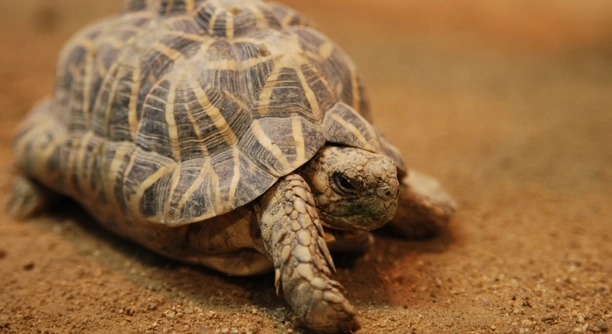
Indian Star Tortoises are fascinating creatures with specific dietary needs. While they enjoy a variety of vegetables, it’s important to understand what is safe for them. Zucchini is one such vegetable that can be included in their diet.
Indian Star Tortoises can eat zucchini in moderation. Zucchini is low in oxalates and high in moisture, making it a suitable treat for tortoises. However, it should be offered as part of a balanced diet, not as a primary food source.
Feeding your tortoise zucchini can be beneficial when done correctly. There are some guidelines to follow to ensure their health and well-being.
Benefits of Feeding Zucchini to Indian Star Tortoises
Zucchini is a great vegetable to include in your Indian Star Tortoise’s diet. It’s low in calories, making it a perfect snack for tortoises who need to maintain a healthy weight. The high moisture content of zucchini helps keep your tortoise hydrated, especially in warmer climates. As a low-oxalate vegetable, zucchini is safe and won’t cause the same issues as other high-oxalate foods, like spinach. The soft texture is also easy for tortoises to digest, and the mild taste can appeal to them without overwhelming their senses. Zucchini’s fiber content promotes healthy digestion and can support overall gut health.
It’s important to remember that zucchini should not be the only vegetable in your tortoise’s diet. A variety of other vegetables, grasses, and plants should also be offered to ensure they are receiving all the necessary nutrients.
A balanced diet is key for a tortoise’s longevity. Adding zucchini as a part of their regular meals is a great way to mix up their food while providing essential nutrients. However, always monitor their intake and avoid overfeeding.
Preparing Zucchini for Your Indian Star Tortoise
When preparing zucchini for your tortoise, it’s best to wash it thoroughly to remove any pesticides or dirt. You can offer it raw or lightly chopped, depending on what your tortoise prefers. Some may enjoy larger pieces, while others may prefer small, bite-sized portions. You can also try peeling the zucchini if your tortoise shows a preference for the skinless version.
Zucchini can be part of a well-rounded vegetable mix. Offering a variety of vegetables like dandelion greens, kale, and collard greens ensures they are receiving a complete diet. Make sure the zucchini is fresh and free of any signs of spoilage, as moldy or rotten food can harm your tortoise.
Always remove any uneaten zucchini after a few hours to avoid bacterial growth, which could lead to health issues. Moderation is key when feeding zucchini to your tortoise, as offering too much could affect their calcium absorption or digestive balance.
How Often Should You Feed Zucchini to Indian Star Tortoises?
Zucchini should be offered as an occasional treat, not as a staple of their diet. Feeding it once or twice a week is ideal, ensuring it doesn’t replace more essential vegetables and greens.
Tortoises thrive on variety, so zucchini can be part of their weekly vegetable rotation. Overfeeding can lead to an imbalance in their diet, potentially causing digestive issues or impacting their overall health. While zucchini is safe, it’s important to mix it with other foods like grasses, leafy greens, and edible flowers. By offering a wide range of options, you support their nutritional needs.
Zucchini, when fed sparingly, provides hydration and variety without causing harm. It’s easy for tortoises to digest, and most will enjoy it. However, make sure they’re getting a balanced diet with sufficient calcium, fiber, and other nutrients necessary for their long-term health.
Signs of Overfeeding Zucchini to Your Tortoise
Feeding too much zucchini can lead to some noticeable signs in your tortoise. Overconsumption can cause loose stools or diarrhea due to its high water content. These digestive issues may disrupt the overall balance of their digestive system.
If you notice your tortoise becoming lethargic or not eating other food items, it might be a sign that zucchini has been overfed. Zucchini lacks the necessary nutrients, such as calcium, needed for healthy bone development. Overfeeding could result in malnutrition or other health complications, so it’s important to observe your tortoise’s behavior.
In some cases, too much zucchini can also lead to weight issues due to the excess moisture content, which may fill them up without providing the necessary nutrients for their daily activities. Always ensure you’re offering a balanced and varied diet to avoid these problems.
Combining Zucchini with Other Vegetables
Zucchini pairs well with a variety of other vegetables like leafy greens, bell peppers, and carrots. Combining them offers more nutrients and variety for your tortoise.
By mixing zucchini with other safe vegetables, you ensure that your tortoise gets a broader range of vitamins and minerals. A balanced diet with variety will help prevent nutrient deficiencies, supporting long-term health. You can offer small portions of zucchini alongside other vegetables that provide essential nutrients like calcium and fiber.
Potential Risks of Feeding Zucchini
While zucchini is generally safe, feeding too much can lead to water imbalance and digestive issues. This is why it should be fed in moderation.
Zucchini lacks key nutrients like calcium, which is important for shell and bone health in tortoises. Overfeeding zucchini could result in a diet that’s not nutritionally balanced. As with any treat, it’s important to ensure that it doesn’t replace more nutrient-dense foods.
Storing Zucchini for Your Tortoise
Zucchini should be stored in a cool, dry place, ideally in the refrigerator to maintain freshness. Ensure it is well sealed to avoid wilting.
Keeping zucchini in the fridge will prevent it from spoiling quickly. If you buy zucchini in bulk, you can chop and store it in small portions to reduce waste.
FAQ
Can Indian Star Tortoises eat zucchini every day?
No, zucchini should not be fed to Indian Star Tortoises every day. It should be offered in moderation, about once or twice a week, to prevent dietary imbalances. Zucchini is low in essential nutrients like calcium, which tortoises need for healthy shell and bone development. Too much zucchini can also lead to digestive issues due to its high water content. It’s important to offer a variety of other vegetables and greens alongside zucchini to meet their nutritional needs.
Is zucchini good for hydration in tortoises?
Yes, zucchini is beneficial for hydration. Its high water content helps keep your tortoise hydrated, which is especially important in warmer environments. However, hydration should not solely depend on zucchini. Offer your tortoise access to fresh water at all times. Hydration is crucial for maintaining overall health, supporting digestion, and preventing dehydration-related issues. Always ensure a balance of water-rich and nutrient-rich foods in their diet.
What vegetables can I feed with zucchini?
You can feed a variety of vegetables alongside zucchini to ensure a balanced diet. Leafy greens such as dandelion greens, kale, and collard greens are excellent choices. Other safe vegetables include bell peppers, carrots, and squash. Mixing zucchini with these vegetables provides essential vitamins and minerals, supporting your tortoise’s overall health. Offering a diverse range of foods will help avoid deficiencies in their diet. Be sure to rotate the vegetables regularly to keep their meals interesting and nutritious.
Can zucchini cause any health problems for tortoises?
While zucchini is safe when fed in moderation, overfeeding can lead to some health issues. The high water content can cause diarrhea or loose stools, disrupting your tortoise’s digestive system. Additionally, zucchini lacks essential nutrients like calcium and vitamin D3, which are crucial for shell and bone health. Relying too heavily on zucchini could result in malnutrition and other long-term health problems. It’s important to offer zucchini as part of a well-balanced diet, not as the main food source.
Is the skin of zucchini safe for tortoises to eat?
Yes, the skin of zucchini is safe for tortoises to eat, and it contains extra fiber. However, some tortoises may prefer zucchini without the skin. If your tortoise seems hesitant about eating the skin, you can peel it. But, generally, it’s fine to offer zucchini with the skin on as long as it’s fresh and thoroughly washed. The skin contains additional nutrients that can be beneficial, but the main concern is ensuring it’s pesticide-free before feeding it to your tortoise.
Can Indian Star Tortoises eat cooked zucchini?
It’s best to feed your tortoise raw zucchini rather than cooked. Cooking the zucchini can alter its nutritional value, especially by reducing the water content and changing the texture. Raw zucchini is easier for tortoises to digest and provides the hydration they need. If you do choose to cook it, avoid using oils or spices, as these can harm your tortoise’s digestive system. However, it’s always better to stick with fresh, raw vegetables to maintain their health.
How can I tell if my tortoise likes zucchini?
If your tortoise shows interest in the zucchini, they’ll likely start eating it right away. You may notice them nibbling at it, or even chasing after pieces you place in front of them. If your tortoise refuses zucchini, it could be a sign they don’t enjoy its taste or texture. Every tortoise is different, so it’s important to observe their preferences. If they seem disinterested, try offering smaller pieces or mixing it with other vegetables they like.
How do I prevent my tortoise from overeating zucchini?
To prevent overeating zucchini, portion it carefully and monitor your tortoise’s intake. Offer it alongside other vegetables to ensure a balanced meal. It’s also a good idea to remove any uneaten food after a few hours to prevent spoilage and avoid encouraging excessive consumption. If your tortoise has a tendency to overeat, try offering smaller portions of zucchini and focus on providing a variety of other foods. Regularly rotating different vegetables can help prevent overeating of any one item.
Can I freeze zucchini for my tortoise?
Yes, you can freeze zucchini, but it’s best to chop it into small portions before freezing. Freezing may change the texture of the zucchini, making it a bit softer once thawed. However, this is perfectly fine for your tortoise, as long as it’s not the primary food offered. Be sure to thaw the zucchini fully before offering it to your tortoise, and ensure it’s fresh before freezing to maintain its nutritional value. When feeding frozen zucchini, make sure it’s not moldy or spoiled.
Can zucchini help with my tortoise’s digestion?
Yes, zucchini can aid digestion due to its high water content and fiber. The moisture in zucchini helps prevent dehydration, which can support healthy digestion. The fiber also encourages regular bowel movements, helping your tortoise maintain a healthy digestive system. However, zucchini should be part of a varied diet to ensure your tortoise gets all the nutrients needed for optimal digestion. Combining zucchini with other fiber-rich vegetables will provide the necessary support for their digestive health.
Final Thoughts
Zucchini can be a great addition to your Indian Star Tortoise’s diet when fed in moderation. Its high water content helps with hydration, which is essential for your tortoise’s overall health. However, zucchini should not be the primary vegetable in their diet. A balanced approach is key to providing the proper nutrition. Offering a variety of other vegetables, greens, and occasional fruits will ensure your tortoise gets the essential vitamins and minerals it needs.
While zucchini is safe and healthy in small amounts, overfeeding can cause digestive issues, such as diarrhea. It’s important to avoid feeding zucchini every day and to monitor your tortoise’s reaction to it. If your tortoise seems to enjoy zucchini, it can be included a few times a week as a treat or part of a well-rounded meal. Remember that moderation is important when it comes to any food, and providing variety will help prevent nutritional imbalances.
Ultimately, offering a wide range of vegetables and other foods is the best way to keep your tortoise healthy and happy. Zucchini, when used properly, can contribute to your tortoise’s hydration needs and provide some variety in their diet. Just be sure to keep the balance with other nutrient-rich foods, and your tortoise will thrive. Keep observing your tortoise’s preferences and reactions, and adjust the diet accordingly to ensure they get the best care.

Hello,
If you enjoy the content that we create, please consider saying a "Thank You!" by leaving a tip.
Every little bit helps us continue crafting quality advice that supports the health, happiness, and well-being of pets around the world, for pets of all shapes, sizes, and species.
We really appreciate the kindness and support that you show us!