
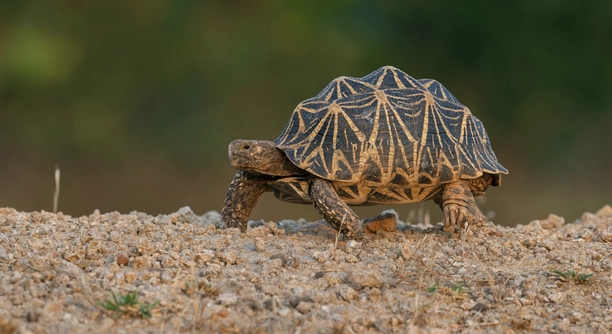
Indian Star Tortoises are fascinating creatures, but it can be concerning when they scrape the walls of their tanks. Understanding the reasons behind this behavior is important to ensure their well-being.
The most common reason your Indian Star Tortoise scrapes its tank walls is due to a mix of stress, insufficient space, or a lack of environmental enrichment. These factors can cause your tortoise to behave this way in search of stimulation or comfort.
Exploring these causes will give you insight into your tortoise’s behavior and help you create a more suitable and comfortable living space for them.
Common Reasons for Scraping
Your Indian Star Tortoise may start scraping the walls of its tank for a few different reasons. One of the most likely causes is stress. Tortoises are creatures of habit, and if their environment feels unfamiliar or uncomfortable, they may begin to show signs of stress. Another reason could be that the tank is too small. Tortoises need plenty of space to move around, and if their living area is cramped, they may try to escape. Additionally, the absence of environmental stimulation like rocks, plants, or hiding spots can cause them to scratch the walls as a form of exploring or seeking out entertainment.
Tank size is crucial. If it’s too small, your tortoise will feel confined and may scrape the walls as a form of release. This can also affect its overall behavior and health.
Consider expanding the tank or adding more enriching elements. With a larger space and things to interact with, your tortoise may feel less stressed and more content in its environment.
Stress and Its Effects
Stress can affect your tortoise in different ways. When stressed, it might not only scrape the tank walls but also show other signs such as lethargy or changes in eating habits.
If your tortoise is in an environment that’s too noisy or busy, it could easily become anxious. Bright lights or loud noises are often unsettling, so it’s important to ensure that its space is quiet, dark, and peaceful. This helps reduce anxiety, allowing it to feel safer.
Environmental factors like temperature and humidity are key contributors to your tortoise’s stress levels. If your tank doesn’t have the right temperature gradient or humidity, your tortoise may become restless and start scraping. A proper setup with basking spots and cooler areas will help keep it comfortable. Regularly check that the tank is at the correct temperature, using a thermometer, to prevent stress from this issue.
Tank Size and Space
A tank that’s too small can lead to frustration and scraping. Your tortoise needs enough room to roam and explore, as it naturally walks long distances in the wild. If the tank feels too confined, it will likely start scraping the walls to find a way out. Ensure that the tank is at least 4 times the size of your tortoise’s shell length.
Without sufficient space, your tortoise may feel trapped, leading to stress and unwanted behaviors like scraping. A larger enclosure will not only prevent this but also improve its overall health. Adding different levels or structures, such as rocks or logs, can provide variety in its environment, giving it places to hide or climb. This will keep the tortoise from getting bored and reduce wall scraping.
If possible, choose a tank that mimics the natural habitat of your tortoise, with varied surfaces and plenty of open space. A spacious, well-planned tank creates a comfortable environment that supports your tortoise’s natural behavior. It also reduces the need to scrape and try to escape.
Lack of Environmental Enrichment
Without environmental enrichment, your tortoise may start scraping the walls simply because it has nothing else to do. Tortoises are naturally curious, and if there’s a lack of stimulation, they may scratch at their surroundings in an attempt to interact with something.
Adding hiding spots, climbing areas, or plants can help provide the enrichment your tortoise needs. When it has places to explore or things to climb, it will be more focused on those activities than scraping. Make sure that there are places for your tortoise to burrow, as it can give it a sense of security and comfort. This may prevent the repetitive wall scraping behavior.
Feeding habits can also play a role. Offering variety in its diet or hiding food can make your tortoise search for its meals, adding another layer of enrichment. When these activities are part of its environment, it will be less likely to focus on the tank walls and more on the things that keep it engaged.
Temperature and Humidity
Incorrect temperature or humidity levels can also cause your tortoise to scrape. If the tank is too hot or too cold, it can make your tortoise uncomfortable. Similarly, inadequate humidity levels can lead to dehydration or skin issues, making your tortoise restless.
Regularly check the temperature and humidity levels in the tank to ensure they match the requirements for an Indian Star Tortoise. You can use a thermometer and hygrometer to monitor these factors. If your tortoise is too warm or cold, it may scrape the tank walls in an attempt to find a more suitable environment.
Having a temperature gradient is important for your tortoise to regulate its body heat. Make sure the basking area is warmer while the cooler areas allow for a safe retreat. Proper humidity will help your tortoise stay hydrated and feel secure in its tank, reducing the urge to scrape.
Stress from Overhandling
If you handle your tortoise too often, it may feel stressed, leading to behaviors like scraping. Tortoises generally prefer minimal handling, as too much interaction can be overwhelming for them.
Overhandling can cause anxiety, making the tortoise more likely to scrape at the tank walls. It’s best to limit handling sessions and allow your tortoise to explore its environment on its own terms. This will give it the space it needs to feel safe and secure.
Tortoises thrive when they feel unthreatened and in control of their environment. Respecting their need for privacy and quiet will help reduce stress-related behaviors, such as scraping.
FAQ
Why is my Indian Star Tortoise constantly scratching the walls of its tank?
Constant scratching could be a sign that your tortoise is feeling stressed, bored, or cramped. Tortoises need plenty of space to roam, and if they don’t have it, they may begin scraping as a way to express discomfort. Ensure the tank is large enough and filled with enrichment activities like hiding spots and climbing objects. If the tank feels too small or lacks stimulation, your tortoise may resort to wall scratching to alleviate its frustration.
How do I know if my tank is too small for my tortoise?
If your tortoise appears to be scraping the walls or pacing around constantly, the tank might be too small. An Indian Star Tortoise needs a spacious environment to feel secure and comfortable. A good rule of thumb is that the tank should be at least four times the length of your tortoise’s shell. Also, consider the height of the tank, as tortoises sometimes need vertical space to climb and explore.
What can I do to stop my tortoise from scraping the tank walls?
To stop your tortoise from scraping, start by ensuring the tank is large enough. Add plenty of hiding spots, climbing structures, and other forms of environmental enrichment. Make sure the temperature and humidity are ideal for your tortoise. Finally, reduce handling if your tortoise seems stressed or overwhelmed. By addressing these factors, your tortoise will be less likely to scrape.
Can scraping mean my tortoise is trying to escape?
Yes, scraping might indicate that your tortoise is trying to escape. If it feels confined or stressed, it may be trying to find a way out of the tank. Ensure that the tank is large and offers adequate space for movement. Also, check for any stress-inducing factors, such as incorrect temperature, humidity, or lack of enrichment.
Is it okay to handle my tortoise if it’s scraping the walls?
Overhandling can stress your tortoise, especially if it’s already showing signs of frustration like scraping. Tortoises generally prefer minimal handling and need a quiet, safe space. Limit handling sessions to avoid adding more stress to an already anxious animal. Let your tortoise explore and interact with its environment on its own terms.
How can I improve my tortoise’s environment to prevent scraping?
Start by making sure the tank is large enough, with plenty of space for your tortoise to move freely. Add enriching elements like rocks, plants, and hiding spots to keep your tortoise engaged. Be sure the temperature and humidity levels are appropriate for your tortoise’s needs, and provide a variety of surfaces for it to explore.
Could scraping be a sign of health problems?
Scraping itself is typically a behavioral issue, but it could sometimes signal health problems. If your tortoise is also lethargic, eating less, or showing signs of illness, a vet visit may be necessary. However, if your tortoise is active but just scraping, it’s more likely due to stress, boredom, or tank issues.
What should I feed my tortoise to help reduce stress and scraping?
A healthy diet can help reduce stress in your tortoise. Offer a variety of leafy greens, flowers, and occasional fruits. A balanced diet supports overall well-being, which can reduce anxiety and stress. Hiding food around the tank also provides mental stimulation, keeping your tortoise busy and less focused on the tank walls.
Should I put more than one tortoise in the tank?
It’s not always a good idea to place more than one tortoise in a tank unless the space is large enough to accommodate both. Indian Star Tortoises can be territorial, and introducing another tortoise can lead to stress, aggression, or competition for space. If you do decide to house multiple tortoises, ensure the tank is big enough and that each has its own space.
How often should I clean my tortoise’s tank?
Keeping your tortoise’s tank clean is essential for its health and comfort. Clean the tank at least once a week, removing any uneaten food, waste, and debris. Scrub the walls and surfaces to prevent the buildup of harmful bacteria or fungi. A clean tank reduces stress and helps maintain a healthy environment for your tortoise.
Final Thoughts
Scraping the tank walls is a common behavior in Indian Star Tortoises, but it’s usually not something to be overly worried about. It’s often a sign that your tortoise is stressed, bored, or uncomfortable with its environment. Whether the tank is too small, lacks enrichment, or doesn’t meet the proper temperature and humidity requirements, addressing these factors can help reduce the behavior. Tortoises thrive when they feel safe, secure, and stimulated, so making small changes to their habitat can make a big difference.
It’s important to regularly monitor your tortoise’s behavior and the conditions of its tank. A larger, more comfortable space filled with hiding spots, climbing areas, and proper temperature zones will encourage your tortoise to engage with its environment. With a few adjustments, you can create a habitat that promotes health and happiness for your tortoise. Additionally, reducing stress factors such as overhandling or noisy surroundings can help your tortoise feel more at ease.
While scraping may be a sign of frustration, it’s usually something that can be managed with the right approach. Creating a tank that mirrors your tortoise’s natural environment and meeting its physical and mental needs will go a long way in preventing this behavior. By providing a well-balanced setup, you can help your tortoise feel more content and less inclined to scrape at its tank walls.

Hello,
If you enjoy the content that we create, please consider saying a "Thank You!" by leaving a tip.
Every little bit helps us continue crafting quality advice that supports the health, happiness, and well-being of pets around the world, for pets of all shapes, sizes, and species.
We really appreciate the kindness and support that you show us!