
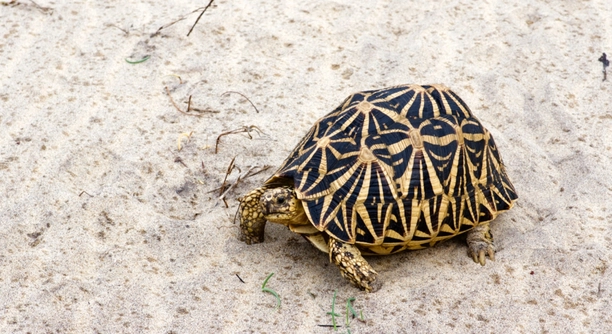
Parasites can be a common problem for Indian Star Tortoises, affecting their health and well-being. It’s important to take the right steps to prevent these issues before they arise. Understanding how to protect your tortoise can keep them healthy and happy.
To prevent parasites in Indian Star Tortoises, it is essential to maintain proper hygiene, provide clean food and water, ensure an appropriate habitat, and regularly check for signs of infection. Regular vet checkups and parasite treatments are also important.
By following these tips, you can create a safe and healthy environment for your tortoise. Proper care will help ensure their longevity and happiness, free from the threat of parasites.
Maintaining Proper Hygiene
Keeping your Indian Star Tortoise’s environment clean is one of the most effective ways to prevent parasites. Clean the enclosure regularly, removing any leftover food, waste, or debris. Tortoises are prone to ingesting harmful bacteria, so maintaining cleanliness is crucial. Always wash your hands after handling your tortoise or cleaning its habitat, and disinfect any tools you use. Additionally, using non-toxic cleaning products will ensure your tortoise remains safe from harmful chemicals. Make sure to clean their water dish daily and replace it with fresh, clean water to avoid contamination.
Keeping a clean habitat is essential not only for preventing parasites but also for ensuring your tortoise thrives. Fresh bedding and clean surfaces reduce the chances of bacteria or parasites multiplying. Try to keep your tortoise in a dry area, as moisture can encourage harmful organisms to grow. Regular hygiene habits will help to keep both your tortoise and its habitat in top shape.
Maintaining proper hygiene is an investment in your tortoise’s health. It may take a little time each day to clean and disinfect, but the benefits are enormous. A clean space helps prevent infections, parasites, and skin problems. Always be consistent and thorough, as this will make a big difference in the long run. Keeping the enclosure dry and clean also helps your tortoise feel comfortable, allowing it to move freely without worry.
Providing Clean Food and Water
Feeding your tortoise clean, fresh food and water is just as important as keeping its enclosure tidy.
A balanced diet for your tortoise should consist of a variety of vegetables, fruits, and leafy greens. Be sure to wash all food thoroughly to remove pesticides or contaminants that could potentially lead to parasites. For their water, always use filtered or clean water to avoid exposing them to harmful bacteria. Refill their water dish daily, ensuring that it’s fresh and free of debris.
Water quality plays a large role in keeping your tortoise hydrated and healthy. Parasites can be introduced if the water is left standing for too long, as it may become a breeding ground for harmful organisms. Always check the water regularly and clean the dish frequently. The same applies to the food, as leaving uneaten items in the enclosure can attract pests and bacteria. By providing safe food and clean water, you’re helping to reduce the risk of illness and parasites.
Providing a Proper Habitat
Your tortoise needs a suitable living space to stay healthy and avoid parasites.
The enclosure should be spacious enough for them to move around and explore. Use substrates like coconut fiber or hay, as they are comfortable and easy to clean. Make sure there’s enough hiding space and proper ventilation to avoid humidity buildup. High humidity levels can encourage parasite growth, so always maintain a dry and well-ventilated environment. The temperature should also be regulated to mimic natural conditions.
A proper habitat prevents stress, which can weaken your tortoise’s immune system and make them more susceptible to infections. Make sure they have access to areas with varying temperatures, from a warm basking spot to cooler zones where they can retreat. This will allow them to regulate their body temperature naturally. Keeping the habitat free of excess moisture and contaminants is key to preventing the growth of harmful parasites. Regularly inspect the substrate for cleanliness and replace it as needed.
Regular Vet Checkups
Scheduling regular checkups with a veterinarian ensures that your tortoise stays healthy and free of parasites.
Even if your tortoise appears healthy, having a professional examine them periodically can catch any potential issues before they become serious. A vet can check for signs of parasites, like weight loss or lethargy. They can also provide recommendations on parasite prevention and offer deworming treatments when needed. These vet visits are important for overall health, so don’t overlook them.
A vet checkup is also an opportunity to discuss your tortoise’s diet, habitat conditions, and any changes in behavior. Early detection of any parasite-related issues helps to prevent further complications, ensuring that your tortoise stays in good condition. Additionally, regular checkups can provide you with peace of mind, knowing that your tortoise is well taken care of. It’s an easy step that plays a big role in keeping your pet healthy and safe from parasites.
Preventing Cross-Contamination
To prevent parasites, avoid cross-contamination between your tortoise and other pets.
If you have other animals, make sure they are not carrying any parasites that could spread to your tortoise. Always wash your hands after handling any of your pets. Clean all tools, feeding dishes, and surfaces regularly to prevent any harmful organisms from transferring.
Cross-contamination can be avoided by keeping your tortoise in a separate area from other pets. It’s also important not to allow other animals to roam freely in the tortoise’s space, as this increases the risk of parasite transfer. Regularly disinfect surfaces and keep things separate to maintain a safe environment.
Proper Quarantine for New Tortoises
When adding a new tortoise to your collection, it’s crucial to quarantine them for a while.
This will help you monitor the new tortoise for any signs of illness or parasites before introducing them to your other pets. Quarantining for at least 30 days allows time for any hidden issues to appear and be addressed.
By keeping the new tortoise in isolation, you can ensure that it won’t spread any parasites to your existing tortoises. During this period, monitor their eating habits, behavior, and overall health. If any signs of parasites are present, contact your vet immediately.
FAQ
How can I tell if my Indian Star Tortoise has parasites?
Common signs that your tortoise may have parasites include lethargy, loss of appetite, weight loss, and unusual behavior. You might also notice changes in their stool, such as diarrhea or undigested food. If you see any of these symptoms, it’s important to consult a vet. A veterinarian will typically perform a fecal exam to check for parasites, which is the most effective way to confirm the presence of an infection.
Can parasites be deadly for my Indian Star Tortoise?
Yes, parasites can be dangerous to your tortoise’s health. If left untreated, some parasites can lead to severe dehydration, malnutrition, and even death. Parasites can also weaken your tortoise’s immune system, making them more vulnerable to other diseases. Early detection and treatment are key to preventing serious harm. Regular vet checkups can help catch any issues before they become life-threatening.
What kind of parasites are common in Indian Star Tortoises?
Common parasites that affect Indian Star Tortoises include nematodes (roundworms), protozoans, and mites. These can infect their digestive system, skin, or respiratory tract. Nematodes and protozoans are typically ingested through contaminated food or water, while mites can be transferred via the tortoise’s habitat. Keeping your tortoise’s environment clean and ensuring they have access to safe food and water can help reduce the risk of infection.
How do I prevent parasites from infecting my tortoise?
The best way to prevent parasites is by keeping your tortoise’s environment clean and hygienic. Clean their habitat regularly, wash their food and water bowls daily, and provide a healthy diet. Quarantine any new tortoises for at least 30 days before introducing them to your other pets. Regular vet checkups and fecal exams will also help ensure that any parasites are detected early and treated effectively.
Should I deworm my tortoise regularly?
Deworming should not be done on a regular basis unless advised by your vet. Over-deworming can stress your tortoise’s body and cause side effects. It is best to deworm only when necessary, based on the results of a fecal exam or the presence of symptoms. Your vet will recommend the best course of action for your tortoise’s specific situation.
How often should I check my tortoise for parasites?
It’s a good idea to have your tortoise checked for parasites at least once a year during a routine vet visit. If your tortoise shows any unusual symptoms, such as weight loss or changes in behavior, you should have them checked right away. Early detection can help prevent parasites from becoming a bigger issue. Regular vet checkups are important, as parasites may not always show obvious symptoms in the early stages.
Can my tortoise catch parasites from other animals?
Yes, your tortoise can catch parasites from other animals, including other reptiles, mammals, or even insects. For example, wild insects can carry parasites, and if your tortoise eats them, it could become infected. To prevent this, keep your tortoise’s enclosure secure from outside pests and separate it from other pets that may carry parasites. Always practice proper hygiene when handling your tortoise and its environment.
What should I do if I find parasites on my tortoise?
If you notice visible parasites, such as mites or ticks on your tortoise’s skin, it’s important to act quickly. Gently remove them using tweezers and place your tortoise in a clean, dry enclosure. Consult with your vet immediately for guidance on treatment. Your vet may recommend topical treatments or a deworming regimen depending on the type of parasite. If the problem is severe, they may also recommend further tests to assess your tortoise’s overall health.
Can I use over-the-counter medications to treat parasites in my tortoise?
It’s not recommended to use over-the-counter medications without consulting your vet first. Many medications designed for other pets can be harmful to tortoises, and improper treatment may cause more harm than good. A vet will recommend the appropriate medication based on the type of parasite and your tortoise’s condition. Self-treatment can be risky, so always consult a professional for the best course of action.
How can I keep my tortoise’s habitat free from parasites?
To keep your tortoise’s habitat free of parasites, clean it regularly by removing any waste, uneaten food, and debris. Wash the water and food dishes daily and replace the bedding as needed. Make sure the enclosure has proper ventilation to prevent excessive moisture, which can encourage parasite growth. Disinfect the habitat regularly using safe, non-toxic cleaners to ensure it stays parasite-free. If you notice any signs of parasites in the enclosure, such as small insects or unusual odors, clean the area thoroughly and seek veterinary advice.
Taking care of an Indian Star Tortoise means being aware of the various health risks they face, including parasites. Preventing these issues is often easier than treating them once they occur. Maintaining a clean and safe environment for your tortoise is the first step in reducing the risk of parasites. This includes regularly cleaning their habitat, providing clean food and water, and keeping them away from other animals that might carry harmful organisms. A little daily effort can go a long way in ensuring your tortoise remains healthy and free from infection.
It’s also essential to monitor your tortoise’s health regularly. Watch for any changes in behavior, appetite, or appearance. If you notice anything unusual, don’t hesitate to contact a vet for advice. Regular vet checkups are an important part of preventing parasites and other health problems. Your vet can help catch any issues early and recommend treatment if needed. By staying proactive and attentive, you can prevent many common health problems that affect tortoises, including parasitic infections.
Lastly, remember that preventing parasites is not just about keeping your tortoise healthy in the short term but also ensuring its long-term well-being. A clean, well-maintained habitat and proper care can contribute to your tortoise’s longevity. Being vigilant about their health, diet, and living conditions will not only reduce the risk of parasites but also improve their overall quality of life. Your tortoise relies on you for protection from parasites and other health issues, so making an effort to maintain their well-being will reward you with a happy, healthy companion.

Hello,
If you enjoy the content that we create, please consider saying a "Thank You!" by leaving a tip.
Every little bit helps us continue crafting quality advice that supports the health, happiness, and well-being of pets around the world, for pets of all shapes, sizes, and species.
We really appreciate the kindness and support that you show us!