
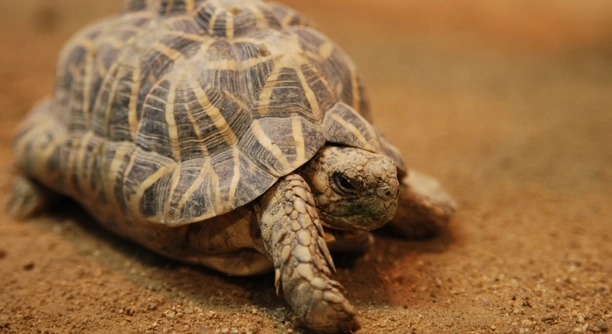
Indian Star Tortoises are a beloved species in many households. However, keeping them healthy and thriving involves understanding the factors that impact their growth. Knowing what affects their growth rate can help you provide the best care possible.
The growth rate of Indian Star Tortoises is influenced by factors such as diet, temperature, habitat size, genetics, and overall health. Proper care and attention to these aspects can significantly impact their development and overall well-being.
Each factor plays a role in the tortoise’s growth, and understanding them can help you create a more suitable environment. Keep reading to learn more about these crucial elements.
Diet and Nutrition
The diet of an Indian Star Tortoise plays a vital role in its growth rate. These tortoises are herbivores, so providing a diet rich in fiber, calcium, and vitamins is essential. A balanced diet helps in the proper development of their shells and bones. Fresh grasses, leafy greens, and some fruits should be included regularly. Avoid feeding them too many high-protein foods as they can lead to health issues like kidney problems. The right food will not only help them grow but also keep them healthy and active.
Feeding them in the right proportions also ensures they don’t gain weight too quickly, which could lead to other complications.
Overfeeding or giving them the wrong food can hinder their growth. For healthy development, make sure to vary their meals, offering different types of leafy greens like dandelion and clover. Calcium-rich foods such as cuttlefish bone or mineral supplements can also help support strong shells. Fresh water should be available at all times, as hydration is key for digestion and overall health. Regularly changing their food options will encourage a more balanced intake of nutrients.
Temperature and Climate
Temperature plays a significant role in the growth of an Indian Star Tortoise.
A stable and warm environment is crucial for their metabolism and overall development. The ideal temperature range for these tortoises is between 80°F to 95°F during the day. At night, the temperature should drop to around 70°F to mimic natural conditions. If temperatures are too low, their digestion and activity levels can be affected.
Maintaining the proper temperature in both their basking and hiding areas will ensure they remain active and continue to grow at a healthy rate. Exposure to UVB light is also essential, as it helps them process calcium and strengthens their shells. Without adequate UVB lighting, they may develop metabolic bone disease or other health issues. If you’re keeping them indoors, using heat lamps or basking spots that simulate sunlight can help. In outdoor enclosures, ensure they have shaded areas to escape the heat, as overheating can cause stress and hinder growth.
Habitat Size and Space
The size of the habitat plays a major role in the growth of an Indian Star Tortoise.
When kept in too small an enclosure, they may experience stress and become stunted in their growth. A larger space allows them to roam, exercise, and forage, which is essential for healthy development. Ideally, their enclosure should be spacious enough for them to move freely.
Providing a larger habitat mimics their natural environment, allowing for a more active lifestyle. It’s important to include hiding spots, basking areas, and plenty of room for them to explore. The more space they have, the healthier they will become. Avoid overcrowding as it can lead to stress and territorial disputes, which can affect their growth rate negatively. The more stimulating and natural their environment, the better the chances of seeing healthy and consistent growth.
Genetics and Breeding
Genetics also plays a key role in the growth rate of an Indian Star Tortoise.
Some tortoises grow faster and larger naturally due to their genetic makeup. While diet and environmental factors can influence growth, they cannot override the genetic potential of the tortoise. Tortoises from strong genetic lines may have a better growth rate compared to others.
Selecting healthy breeding pairs is vital for producing offspring with the potential for strong growth. It’s important to ensure that breeding tortoises come from healthy lines to avoid health issues and genetic problems that could affect their growth. Even if environmental conditions are ideal, poor genetics can slow down growth, making it crucial to consider genetic health when breeding tortoises.
Health and Disease
An Indian Star Tortoise’s health is a crucial factor in its growth.
If a tortoise is sick or stressed, it will not grow at a normal rate. Regular health checks are necessary to catch any issues early. Illness can slow down their metabolism and reduce appetite, both of which affect growth.
Ensuring they are free of parasites, infections, and injuries is important for their overall health. If your tortoise isn’t growing as expected, it could be due to an underlying health problem. Providing them with a clean environment, proper care, and timely vet visits will help them thrive.
Activity Levels
The more active an Indian Star Tortoise is, the better its growth rate.
Exercise and activity help stimulate metabolism and digestion, contributing to healthy growth. Inadequate space or a lack of enrichment can cause your tortoise to become inactive, which could slow down its development. Encouraging movement by varying their environment will help.
Create opportunities for them to move around by providing different types of surfaces to explore. You can also hide food in different areas to encourage them to forage and stay active. Regular movement not only helps growth but also contributes to their emotional well-being.
Lighting and UVB Exposure
Proper lighting, especially UVB exposure, is essential for an Indian Star Tortoise’s growth.
UVB rays are needed to help them synthesize vitamin D3, which in turn allows them to absorb calcium. Without it, their shells and bones may not develop properly. Ensure they receive adequate UVB exposure from natural sunlight or special UVB bulbs.
A lack of UVB lighting can lead to metabolic bone disease, stunted growth, and a weakened immune system. It’s essential to offer both basking spots and areas with indirect light to mimic their natural environment. This ensures they get the right balance of warmth and UVB exposure for optimal health.
FAQ
What is the ideal temperature for an Indian Star Tortoise?
The ideal temperature for an Indian Star Tortoise ranges between 80°F and 95°F during the day, with a slight drop to around 70°F at night. This helps mimic their natural environment and supports proper metabolism. If the temperature is too low, their digestion may slow down, and they could become less active, which can hinder growth. It’s also important to ensure they have a basking spot where they can soak up heat, as this helps with their overall health.
How can I tell if my Indian Star Tortoise is growing properly?
You can monitor your tortoise’s growth by keeping track of its size and weight. Tortoises grow steadily over time, so any sudden stunted growth could indicate an issue. A healthy Indian Star Tortoise should have a smooth, hard shell and should be active and eating regularly. If your tortoise isn’t growing as expected, it could be due to factors like improper diet, insufficient lighting, or temperature problems. Regularly measuring and weighing your tortoise will help you notice any concerning changes.
Can I feed my Indian Star Tortoise fruits?
Yes, but fruits should only be offered in moderation. While they enjoy fruits like apples or melons, too much can cause digestive issues or lead to an unbalanced diet. Fruits are high in sugars, so feeding them excessively can result in weight gain or health problems. It’s best to focus on leafy greens, grasses, and some flowers for their daily meals. Fruits should only be a treat and make up a small portion of their diet.
How much space does an Indian Star Tortoise need?
The more space, the better. A minimum enclosure size should be around 4×8 feet for a single tortoise. Larger enclosures are even better, as they allow more room to move, forage, and bask. Having more space reduces stress and allows for more natural behaviors, which contribute to healthy growth. The enclosure should also include hiding spots, basking areas, and plenty of opportunities for movement. Overcrowding in a small space can negatively impact their health and growth.
How often should I feed my Indian Star Tortoise?
Feed your Indian Star Tortoise daily, but the amount should be adjusted based on its age and size. Juveniles typically eat more frequently, while adults can be fed every other day. Offering a mix of fresh greens, grasses, and occasional flowers or fruits ensures they receive the nutrients they need. It’s important to monitor their appetite and adjust the amount of food as needed to prevent overfeeding. Make sure fresh water is always available, as dehydration can also impact their health.
What should I do if my tortoise isn’t eating?
If your Indian Star Tortoise refuses to eat, check the environmental conditions first. Ensure the temperature and lighting are appropriate, as this can affect their appetite. Stress from handling, changes in habitat, or an unbalanced diet can also cause them to lose interest in food. If the issue persists for more than a few days, it’s worth consulting a veterinarian to rule out underlying health problems like parasites or digestive issues.
How can I provide UVB lighting for my tortoise?
UVB lighting is essential for an Indian Star Tortoise, especially if it is kept indoors. UVB bulbs designed for reptiles can be used to provide the necessary light. The bulb should be placed within 12-18 inches of the tortoise’s basking area and should be replaced regularly, as UVB output decreases over time. If your tortoise spends time outdoors, natural sunlight is a great source of UVB, but make sure they have access to shade as well. Proper UVB exposure is key to preventing metabolic bone disease and ensuring strong shell growth.
Is it necessary to supplement my tortoise’s diet with calcium?
Yes, calcium supplements are important for ensuring your Indian Star Tortoise’s bones and shell develop properly. Without enough calcium, tortoises can suffer from metabolic bone disease, which can result in soft shells and weak bones. A calcium supplement can be dusted on their food, especially for younger tortoises that are still growing. For adult tortoises, offering calcium-rich foods like cuttlefish bone can be an alternative way to maintain calcium levels. Be sure to provide these supplements in moderation, as too much calcium can also cause health issues.
Can my Indian Star Tortoise live outdoors?
Yes, Indian Star Tortoises can live outdoors, provided the climate is suitable. They need a warm environment with access to both sun and shade. If you live in an area with moderate temperatures, you can set up an outdoor enclosure that provides plenty of space, hiding spots, and secure fencing. However, in colder climates or extreme weather conditions, it’s best to keep them indoors in a controlled environment. Make sure they have a dry, sheltered area to retreat to if the weather gets too hot or cold.
How can I tell if my tortoise is sick?
Signs of illness in an Indian Star Tortoise include lethargy, loss of appetite, abnormal shell or skin changes, discharge from the eyes or nose, and difficulty moving. If your tortoise seems unusually tired or is not eating, it could be a sign of health problems. Regular vet check-ups are important to keep track of their health. If any of these symptoms appear, it’s best to consult a vet immediately to address potential issues early on and prevent them from worsening.
What are the signs of overfeeding?
Overfeeding your tortoise can lead to obesity and other health issues. Signs of overfeeding include lethargy, difficulty moving, and an overly rounded or bloated shell. Excessive weight can also stress their internal organs and hinder normal growth. To avoid overfeeding, offer food in appropriate amounts and monitor their weight regularly. Be sure to provide a varied, balanced diet to ensure they’re getting the proper nutrition without overloading them with calories.
How do I maintain the right humidity level for my tortoise?
Humidity is important, especially for the shell and skin health of your Indian Star Tortoise. The humidity level should be kept around 50-60%, as too high or too low humidity can cause problems like respiratory infections or shell deformities. To maintain proper humidity, you can mist their enclosure with water or add a shallow water dish. If the humidity is too low, you can increase it with a humidifier or by using damp moss in their hiding areas. Always ensure there is proper ventilation to prevent mold or mildew.
Final Thoughts
Caring for an Indian Star Tortoise requires attention to several key factors that impact its growth and well-being. From providing the right diet to maintaining a suitable environment, every aspect of their care matters. While they are relatively low-maintenance, ensuring they have access to proper lighting, heat, and enough space to roam will make a big difference in their health. Monitoring their growth and making adjustments when necessary can help them thrive, especially in their younger, more vulnerable stages.
It’s also important to remember that each tortoise is unique, and what works for one may not always work for another. Observing your tortoise closely and learning about its specific needs will give you a better understanding of how to support its growth. Whether it’s offering a wider variety of foods or adjusting temperature and humidity levels, small changes can have a big impact over time. It’s all about creating an environment where your tortoise feels safe, comfortable, and able to grow at its natural pace.
By providing your Indian Star Tortoise with a balanced diet, proper space, and the right environmental conditions, you are helping them grow into healthy, strong adults. These tortoises can live for decades, and their well-being is dependent on the care they receive early in life. As long as you stay consistent with their care and monitor their growth, you’ll likely see them thrive and grow at a steady, healthy rate. In the end, a little attention to detail goes a long way in ensuring your tortoise lives a long and healthy life.

Hello,
If you enjoy the content that we create, please consider saying a "Thank You!" by leaving a tip.
Every little bit helps us continue crafting quality advice that supports the health, happiness, and well-being of pets around the world, for pets of all shapes, sizes, and species.
We really appreciate the kindness and support that you show us!