
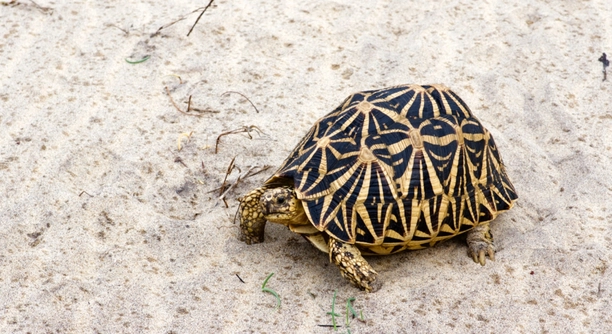
Maintaining proper humidity in your Indian star tortoise’s enclosure is essential for their health and well-being. Too little or too much moisture can lead to serious health problems for your pet.
To keep your Indian star tortoise enclosure humidity stable, you must regulate temperature, use appropriate substrates, and monitor humidity levels regularly. Employing a reliable hygrometer and misting systems will help create a suitable environment for your tortoise.
These simple adjustments can significantly improve the comfort and longevity of your tortoise. Let’s explore how to get it right and make your tortoise’s habitat thrive!
1. Choosing the Right Substrate for Humidity Control
Selecting the right substrate for your tortoise’s enclosure is crucial in keeping humidity levels stable. A good substrate holds moisture well but doesn’t stay too wet. Coconut coir, organic topsoil, and orchid bark are ideal choices. These materials help retain moisture while providing the proper texture for your tortoise to dig and explore.
While coconut coir is popular, mixing it with other materials like sphagnum moss can improve its ability to hold moisture. Be sure to avoid substrates like sand or gravel, as they won’t retain enough humidity and can cause discomfort to your tortoise.
You should also regularly spot-clean the substrate to prevent the buildup of harmful bacteria. A well-maintained substrate can reduce the need for frequent misting, keeping humidity levels in check without too much effort. It’s a simple yet effective solution to support the stability of your tortoise’s environment and help them thrive.
2. The Importance of Proper Temperature Regulation
Keeping the right temperature in your tortoise’s enclosure is essential for maintaining humidity. Heat sources like heat lamps or ceramic heaters will help maintain the necessary warmth.
The ideal temperature should range from 80 to 85°F during the day, with a nighttime drop to 70°F. This temperature range helps the substrate maintain moisture, preventing it from drying out.
3. Misting Systems and Humidity Maintenance
A misting system is an easy way to maintain stable humidity levels in your tortoise’s enclosure. Automated systems can be set to mist at specific intervals, preventing the habitat from becoming too dry.
These systems ensure the air remains humid enough, especially in drier climates. You can adjust the misting to prevent the enclosure from getting overly damp, which can cause other problems like mold growth. Make sure to monitor the enclosure’s humidity to adjust the system as needed, especially during seasonal changes.
If you don’t have an automated system, a manual spray bottle can be a helpful alternative. Misting in the early morning or late afternoon ensures humidity stays at optimal levels. Avoid spraying during the hottest part of the day, as this can cause rapid evaporation and fluctuations in humidity. Consistency is key to keeping your tortoise healthy.
4. Humidity Monitors and Their Role in Stability
A good humidity monitor helps you keep track of the environment your tortoise lives in. Using a hygrometer allows you to make sure the humidity stays within the ideal range.
Place the hygrometer at the level where your tortoise spends most of its time. Aim for humidity levels between 50% and 70%. Anything lower or higher can cause health problems for your tortoise. Regularly check the readings and adjust your methods of humidity control if necessary.
A digital hygrometer is more accurate than the analog ones and often comes with additional features, such as temperature monitoring. This is useful, as temperature and humidity are closely linked. By keeping an eye on both, you can create the best possible environment for your tortoise.
5. The Right Water Dish for Humidity Control
The water dish in your tortoise’s enclosure plays an important role in humidity levels. It should be large enough for your tortoise to soak in but not so large that it leads to excessive moisture in the air.
Regularly change the water to avoid bacterial growth and ensure it’s clean for your tortoise to drink. A shallow, sturdy dish can prevent spills and maintain the desired humidity level without over-wetting the environment.
6. Ventilation and Airflow
Proper ventilation is necessary to balance humidity and airflow. Without enough airflow, moisture can get trapped, leading to mold or mildew buildup. Too much airflow, however, will cause the enclosure to dry out quickly.
Strategic placement of ventilation holes or mesh allows air to circulate while maintaining the humidity. Always ensure ventilation is balanced with humidity needs for a healthy tortoise habitat.
FAQ
How can I tell if my tortoise’s enclosure is too dry?
If the humidity is too low, your tortoise may appear lethargic, and you may notice signs of dehydration, like a lack of appetite. Dry, cracked skin or difficulty shedding can also indicate insufficient humidity. Regularly check the humidity level with a hygrometer, aiming for 50-70% humidity.
What should I do if my tortoise’s enclosure is too wet?
Excessive moisture can lead to fungal growth or respiratory issues. If the enclosure is too wet, reduce misting, increase ventilation, or adjust the substrate to allow better drainage. You can also use a dehumidifier for more control.
Can I use a sponge or towels to maintain humidity?
Sponges and towels can help in the short term, but they can lead to uneven humidity and may promote mold growth. It’s better to rely on proper substrate, misting systems, or a water dish to regulate moisture.
Should I keep my tortoise’s enclosure in direct sunlight?
Direct sunlight can heat the enclosure excessively, leading to fluctuating humidity levels. Instead, provide indirect sunlight and use heat lamps to maintain the proper temperature. Be mindful that the light can dry out the environment too quickly.
How do I prevent mold and mildew in my tortoise’s enclosure?
Maintaining proper humidity levels and ensuring adequate airflow are key to preventing mold. Regular cleaning, substrate replacement, and checking for excess moisture are essential. If you notice mold, remove the affected areas and adjust humidity or ventilation as needed.
Can I use a glass tank for my tortoise’s enclosure?
A glass tank can work well, but it’s important to monitor humidity closely, as they can sometimes trap moisture and cause excess condensation. Make sure your tank has proper ventilation and humidity control systems to maintain a balanced environment.
How often should I mist my tortoise’s enclosure?
The frequency of misting depends on the climate, substrate, and how well the enclosure retains moisture. Generally, misting once or twice a day is enough. However, monitor the humidity and adjust the misting schedule accordingly. Over-misting can lead to a too-wet environment.
Is a humidity chamber necessary for an Indian Star Tortoise?
A humidity chamber is not typically necessary, but creating a stable environment with the right humidity levels through substrate, water dishes, and misting is essential. It’s more about maintaining steady humidity rather than extreme moisture fluctuations.
Can I use a reptile humidifier instead of a misting system?
A reptile humidifier is a good alternative to a misting system. It can provide consistent moisture to the enclosure. However, monitor humidity carefully as some humidifiers can release too much moisture, leading to over-humidification. Always check the humidity levels with a reliable hygrometer.
How do I adjust the humidity during different seasons?
During dry seasons or colder months, humidity levels can drop, requiring more frequent misting or the use of humidifiers. In contrast, during wet or humid months, less misting may be needed. Always monitor the environment and adjust humidity control methods accordingly.
What is the ideal humidity level for an Indian Star Tortoise?
Indian Star Tortoises require a humidity level of around 50-70%. Maintaining this range will help them stay hydrated and healthy. Too low or high humidity can lead to skin shedding issues, respiratory problems, and dehydration. Regularly check and adjust the humidity to ensure it stays stable.
How can I maintain humidity without constant misting?
You can achieve consistent humidity without constant misting by using moisture-retaining substrates, a proper water dish, or an automatic misting system. Ensure your tortoise’s enclosure has good ventilation to avoid stagnant air while keeping the humidity at optimal levels.
What are the signs of improper humidity affecting my tortoise?
If your tortoise is experiencing improper humidity, signs may include dry skin, difficulty shedding, lethargy, or respiratory problems. If your tortoise is not eating or drinking as usual, it’s likely a sign that the humidity levels are off. Adjust the environment and observe for improvements.
Do I need to worry about humidity in the winter months?
In winter, humidity can drop, especially in homes with dry air from heating. You may need to increase misting, add a humidity chamber, or use a humidifier. Keep an eye on the humidity levels, and take action to prevent the enclosure from becoming too dry.
Can I use a heat mat instead of a heat lamp for humidity control?
A heat mat can help regulate temperature but is not effective in controlling humidity. It provides warmth but doesn’t create the moisture needed for proper humidity. It’s best used alongside other humidity control methods like misting or proper substrate.
Maintaining stable humidity in your Indian Star Tortoise’s enclosure is essential for their health and well-being. A balanced environment allows your tortoise to stay hydrated and comfortable, preventing common issues like dehydration, respiratory problems, and difficulty shedding. With the right approach, you can create a habitat that supports their natural needs. This involves monitoring and adjusting humidity levels, selecting the appropriate substrate, and using tools like misting systems or hygrometers to keep track of the conditions. Regular maintenance and observation can make a big difference in your tortoise’s quality of life.
Each aspect of your tortoise’s enclosure works together to ensure a stable environment. Temperature and humidity go hand in hand, so controlling both is crucial. A reliable heat source combined with humidity control tools, like misting systems or water dishes, will help create the best possible setup. Additionally, good airflow and ventilation prevent mold or mildew buildup, which can harm your tortoise. By maintaining a steady balance between all these factors, you ensure that the enclosure remains safe and comfortable.
It might take some trial and error at first, but once you get the right systems in place, it will become second nature. Keep in mind that every tortoise and their habitat is unique, so you may need to make adjustments over time. Patience and regular monitoring will ensure that your tortoise has a stable environment that promotes their health. Small changes, such as adjusting misting frequency or swapping out the substrate, can have a lasting positive impact on your tortoise’s well-being. With a little attention and care, you’ll be able to create an ideal habitat for your pet to thrive.

Hello,
If you enjoy the content that we create, please consider saying a "Thank You!" by leaving a tip.
Every little bit helps us continue crafting quality advice that supports the health, happiness, and well-being of pets around the world, for pets of all shapes, sizes, and species.
We really appreciate the kindness and support that you show us!