
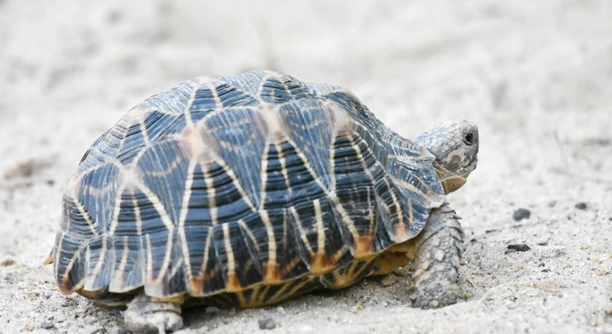
Shedding is a natural process for your Indian Star Tortoise, but if it happens more than usual, you might wonder why. Understanding the reasons behind this increased shedding can help ensure your tortoise remains healthy and comfortable.
The primary reason your Indian Star Tortoise may be shedding more than usual is related to its growth cycle. As they grow, tortoises shed their outer skin to accommodate their expanding body. Environmental factors like temperature or humidity may also influence shedding frequency.
Shedding can be influenced by various factors like diet and habitat conditions. Knowing how these elements work together helps ensure your tortoise stays healthy throughout its growth.
Why Shedding Happens in Tortoises
As tortoises grow, they need to shed their old skin to make room for new growth. This is a natural process, and it helps keep them healthy. The skin on a tortoise becomes stiff and hard as it ages, so shedding is necessary for their well-being. However, there are also other reasons why shedding can increase, such as changes in temperature or humidity levels in their environment. Tortoises are sensitive creatures, and if they are too hot or too cold, their bodies may shed skin more often.
If your tortoise is shedding more than usual, check its living conditions. Often, small adjustments in the habitat can make a big difference. Make sure the humidity and temperature levels are consistent, as this can prevent unnecessary shedding.
In some cases, improper diet or stress can also lead to excessive shedding. Ensure your tortoise is getting enough nutrition and isn’t being stressed by changes in its environment. This balance is important for preventing over-shedding.
Temperature and Humidity Levels
Proper temperature and humidity levels are essential for a healthy tortoise. If these are off, it can lead to excessive shedding, which may cause discomfort for your pet.
Maintaining the right environment is crucial for your tortoise’s comfort. Tortoises are cold-blooded and rely on their surroundings to regulate body temperature. If the temperature is too low or too high, they might shed their skin more often. It’s important to provide a basking area with a heat source to keep them warm. At night, cooler temperatures are necessary, but they shouldn’t drop too low. Humidity also plays a big role. A dry environment can cause their skin to dry out and shed more frequently. Aim for a humidity level of around 60-80% to help your tortoise retain moisture in its skin. Regularly checking the temperature and humidity in your tortoise’s habitat will help keep them comfortable and minimize excessive shedding.
Diet and Nutrition
Your Indian Star Tortoise’s diet plays a big role in its shedding. A balanced diet ensures they get the right nutrients, which affects their overall health, including skin and shell condition.
A diet high in fiber, calcium, and vitamins is essential for your tortoise’s well-being. If they aren’t getting enough of these nutrients, it can cause issues with shedding. Leafy greens, flowers, and some fruits are good choices, while avoiding too much fruit, which can be high in sugar. Make sure to offer a variety of food to provide all the essential nutrients. Calcium is particularly important for maintaining a healthy shell and skin. Without enough, shedding may become more frequent or uneven. If you’re unsure whether your tortoise is getting the right nutrients, consider consulting a vet for advice on a proper feeding plan.
In addition to feeding them properly, ensure they have access to fresh water at all times. Dehydration can cause skin issues and may lead to excessive shedding. Keeping them hydrated helps maintain a healthy, functioning body. A good diet combined with plenty of hydration is key to managing shedding and keeping your tortoise comfortable.
Stress and Environment
Stress can be a hidden cause of excessive shedding in tortoises. If something in their environment feels off, they might start shedding more often.
Changes in their habitat or routine can trigger stress. Loud noises, sudden movements, or even being handled too much can be enough to upset your tortoise. They are sensitive creatures and need a calm, stable environment to feel safe. A stressed tortoise may also stop eating properly, which in turn affects its overall health. This can lead to more frequent shedding, as their body tries to compensate for the changes. Creating a quiet, stress-free environment can help reduce unnecessary shedding. Make sure they have a private space where they can retreat and feel secure.
Another aspect of stress is the amount of interaction your tortoise gets. While some interaction is fine, it’s essential to give them time to themselves. Overhandling or too many changes in their routine can disrupt their sense of security. Setting up a calm, consistent environment with proper care will help your tortoise avoid stress-related shedding.
Overheating and Heat Sources
If your tortoise is exposed to excessive heat, it can cause stress and lead to more shedding. Proper heat sources are essential for your tortoise’s comfort.
Using a heat lamp is a good way to provide warmth for your tortoise. However, be cautious not to make the environment too hot. Overheating can lead to dehydration and excessive shedding. Make sure the basking area is warm but not uncomfortably hot. The temperature should be adjustable to avoid sudden spikes that could cause stress. A thermometer is important to monitor heat levels accurately.
Shell Health
Your tortoise’s shell needs proper care to remain healthy and intact. A strong, healthy shell reduces the risk of excessive shedding and ensures their overall well-being.
Inadequate nutrition or poor environmental conditions can affect shell health. For instance, a lack of calcium can weaken the shell, leading to shedding problems. Make sure your tortoise gets a balanced diet with enough calcium to keep the shell strong. Proper UVB light is also crucial for shell health. Without it, the tortoise cannot absorb calcium efficiently, which can lead to shell deformities or abnormal shedding. If you notice any irregularities in your tortoise’s shell, it’s a good idea to consult a vet for advice on proper care and treatment.
Excessive Moisture
Too much moisture in the habitat can lead to skin problems, causing your tortoise to shed more often than usual. Keeping the balance is important.
Excessive moisture in the environment can make your tortoise’s skin soft and weak, which increases shedding. It’s important to regulate humidity levels in their habitat and avoid creating a damp, overly humid space. Make sure the enclosure has a dry area where your tortoise can retreat and dry off. If humidity levels become too high, it could lead to fungal growth and other health issues. Use a hygrometer to measure humidity and maintain it within a healthy range for your tortoise.
FAQ
Why is my Indian Star Tortoise shedding more than usual?
Shedding is a natural process, especially as your tortoise grows. However, if the shedding increases, it could be due to environmental factors, stress, or diet. The most common reasons are changes in temperature, humidity, or improper nutrition. Tortoises may also shed more when they are stressed or when their habitat is not ideal. Check the living conditions, such as the temperature and humidity, and ensure a proper diet with enough calcium and fiber. If the issue persists, it’s best to consult a vet.
How do I know if my tortoise is stressed?
Signs of stress in tortoises include hiding more than usual, lack of appetite, or becoming more aggressive. They may also display changes in their behavior, like pacing around the enclosure or retreating into their shell often. Stress can be triggered by loud noises, over-handling, or a sudden change in the environment. Ensuring a stable, quiet habitat with minimal disturbances can help reduce stress. Also, ensure they have access to enough space, warmth, and humidity to stay comfortable.
Can a tortoise’s diet cause excessive shedding?
Yes, diet plays a significant role in the shedding process. A lack of nutrients like calcium, fiber, and vitamins can cause your tortoise to shed more often. Calcium, in particular, is vital for shell health, and an imbalance can affect the shedding cycle. Offer a variety of leafy greens, flowers, and low-sugar fruits to ensure they get a balanced diet. Also, avoid giving them too many sugary foods or processed treats. Ensuring your tortoise has a proper, balanced diet will help regulate its shedding.
What temperature and humidity levels are best for my tortoise?
For an Indian Star Tortoise, the temperature should range between 80°F to 90°F during the day, with a basking spot of about 95°F. At night, the temperature can drop to 70°F to 75°F. Humidity levels should be maintained between 60-80%. Proper heat and humidity help your tortoise shed normally and stay healthy. You can achieve this by using a heat lamp and a thermometer to monitor the temperature, as well as a hygrometer to keep track of the humidity. Regular adjustments are necessary to maintain ideal conditions.
Can too much water cause shedding?
Yes, excessive moisture can cause skin problems and lead to more frequent shedding. It’s essential to balance humidity levels to avoid making the habitat too damp. High humidity can soften the skin and cause it to shed more often, or it could even lead to fungal or bacterial infections. Ensure your tortoise’s enclosure has dry spots and that humidity levels are not too high. A hygrometer is useful to monitor and maintain proper humidity levels in the tank, keeping the tortoise’s skin in optimal condition.
How do I maintain proper shell health?
Shell health is closely related to proper nutrition, UVB light, and maintaining the right humidity and temperature. A lack of calcium can cause the shell to become weak and increase shedding. Make sure your tortoise gets a balanced diet rich in calcium, such as dark leafy greens and calcium supplements. Providing proper UVB light helps your tortoise metabolize calcium and promotes shell growth. Regular check-ups with a vet are also essential to ensure the shell is healthy and to prevent problems such as shell rot or deformities.
What is the best way to handle my tortoise?
Handling your tortoise should be minimal to reduce stress. When you do handle them, be gentle and avoid grabbing them by their shell. Instead, pick them up from the sides and support their body. Keep handling sessions short and avoid disturbing them when they are hiding or resting. Over-handling can stress them out and disrupt their natural behaviors, contributing to excessive shedding. It’s also important to let them roam in a secure, safe space outside the enclosure to get exercise and mental stimulation.
Should I be concerned if my tortoise is shedding a lot?
Excessive shedding may be a sign of an underlying issue, but it’s not always a cause for concern. If your tortoise is shedding more than usual, first check the environmental conditions. Ensure the temperature, humidity, and diet are all appropriate. If the shedding continues despite making adjustments, or if there are other signs of illness, like lethargy or lack of appetite, consult a vet. Shedding can also be seasonal, especially during periods of growth, so some fluctuations are normal.
How can I prevent my tortoise from shedding too much?
To prevent excessive shedding, focus on providing an optimal environment with the right temperature, humidity, and diet. Avoid stressing your tortoise with too much handling or environmental changes. Ensure they are getting enough calcium and fiber in their diet. Keeping their habitat clean and comfortable can also help minimize stress and reduce excessive shedding. Regularly monitoring their conditions and observing any changes will also help you catch problems early, preventing them from becoming more serious.
Can my tortoise shed its shell?
No, tortoises do not shed their shells like they shed skin. The shell is a permanent part of their body and grows with them over time. However, tortoises do go through a shedding process for their skin and occasionally for small pieces of their scutes (the plates on their shell), especially as they grow. This shedding is entirely natural and should not cause concern unless there are signs of infection or damage. If you notice significant changes or damage to the shell, it’s best to consult a vet.
Final Thoughts
Shedding is a normal and natural part of your Indian Star Tortoise’s life, but if it starts happening more frequently than usual, it’s important to consider the reasons behind it. Environmental factors such as temperature and humidity can have a big impact on how often your tortoise sheds. If their habitat is too hot, too cold, or too dry, it could lead to an increase in shedding. Keeping track of these conditions and adjusting them as needed will help ensure your tortoise is comfortable and shedding at a healthy rate. Regularly checking the temperature and humidity, along with making sure they have a safe and secure space to live, is key to minimizing excessive shedding.
Diet also plays a significant role in your tortoise’s shedding cycle. Providing them with a balanced diet that includes enough calcium, fiber, and vitamins is essential. A poor diet can affect their overall health, including skin and shell condition, leading to more frequent shedding. Offering a variety of leafy greens, flowers, and low-sugar fruits ensures they get the nutrients they need to thrive. Make sure they always have access to fresh water, as dehydration can also contribute to abnormal shedding. If you’re unsure about their diet, consulting with a vet can give you peace of mind that your tortoise is getting what it needs.
Stress is another factor that shouldn’t be overlooked. Tortoises are sensitive creatures, and stress from environmental changes, loud noises, or too much handling can trigger excessive shedding. Creating a calm, stable habitat for your tortoise will help them feel secure. Keep handling to a minimum, and give them space when they need it. By paying attention to your tortoise’s needs, from their living environment to their diet, you can ensure that they shed properly and stay healthy.

Hello,
If you enjoy the content that we create, please consider saying a "Thank You!" by leaving a tip.
Every little bit helps us continue crafting quality advice that supports the health, happiness, and well-being of pets around the world, for pets of all shapes, sizes, and species.
We really appreciate the kindness and support that you show us!