
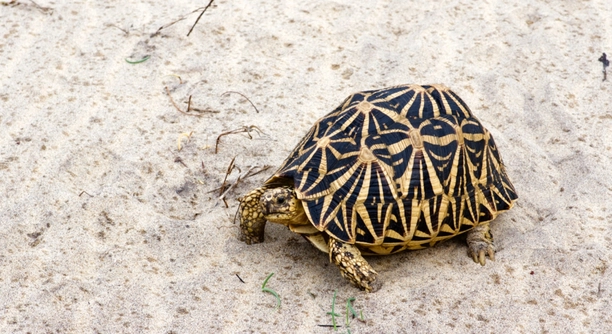
Indian star tortoises are known for their slow-moving nature and unique appearance. As pet owners, we often seek the best foods to keep them healthy and thriving. Understanding their diet is essential for their well-being.
Indian star tortoises can eat sesame leaves in moderation. While sesame leaves are not toxic, they should not be a primary food source. A balanced diet with a variety of safe plants is crucial for their health.
Knowing which herbs are safe for your tortoise can help you offer a more varied and nutritious diet. This guide will provide insights into safe herb choices for your pet’s meals.
Are Sesame Leaves Safe for Indian Star Tortoises?
Sesame leaves can be offered to Indian star tortoises, but they should be given in moderation. These leaves are not harmful, but they should not be the main part of their diet. Tortoises need a wide range of plants to stay healthy, and feeding them too much of one thing can upset their nutrition balance. Too much of any one type of food may lead to digestive issues or poor health.
Offering sesame leaves occasionally is fine, but other leafy greens and plants should make up the majority of their meals. Always ensure the leaves are clean and free from pesticides or chemicals. Introducing variety into their meals is the best way to keep them well-fed and happy.
It’s important to provide your tortoise with plenty of different herbs, vegetables, and leafy greens. Variety in their diet will ensure they get all the necessary vitamins and minerals. The more options you give them, the healthier they’ll be in the long run. Keep an eye on how much you offer and avoid overfeeding any one type of food.
Safe Herbs for Your Tortoise
Certain herbs are better suited for Indian star tortoises than others. Common safe choices include dandelion, plantain, and basil. These herbs are rich in nutrients and have health benefits.
Offering your tortoise a variety of herbs ensures they get a broad range of vitamins and minerals. Some herbs also contain antioxidants that support the immune system. Fresh herbs can be found at most grocery stores or can be grown in your garden. Make sure the herbs are pesticide-free and thoroughly washed before feeding them to your pet.
If you choose to grow herbs at home, this can be a great way to have a steady supply of fresh and healthy food. Always research any new plant before offering it to your tortoise. While many herbs are safe, others can be toxic. Keep an eye out for any signs of discomfort or digestion issues after introducing a new herb. This will help you understand what works best for your pet’s diet.
How to Introduce New Herbs to Your Tortoise’s Diet
Start by introducing herbs slowly. Mix a small amount with their usual food, so they get used to the new taste and texture. Gradually increase the amount if they seem to enjoy it and have no digestive issues.
Observe your tortoise’s reaction after feeding them new herbs. Some may take time to get used to a different flavor, while others might enjoy it right away. Make sure to watch for any changes in their behavior or digestion. If you notice anything unusual, it might be a sign that the herb doesn’t agree with them.
Always avoid sudden changes in their diet. Tortoises can be sensitive to drastic shifts, which may lead to digestive problems. It’s best to offer new foods over a period of days, allowing them time to adjust. A steady introduction of new herbs ensures they don’t get overwhelmed by the variety.
Common Mistakes to Avoid When Feeding Herbs
Avoid feeding your tortoise herbs that are too strong in flavor or overly fibrous. These can cause stomach upset or discomfort. Also, be careful with herbs that may have been exposed to pesticides or chemicals.
Herbs such as garlic, onion, or mint should be avoided. They can be harmful or cause digestive issues. Even safe herbs should be given in moderation. Too much can lead to health problems such as diarrhea or dehydration. Always research any new herbs before introducing them to your tortoise’s diet to ensure they are safe and appropriate. Some herbs may be more difficult for them to digest, especially in large quantities.
You should also avoid feeding your tortoise herbs that come from plants known to be toxic to reptiles. Keeping a list of safe and unsafe plants is a helpful way to remember which ones to feed and which ones to avoid. Regularly cleaning the feeding area and removing leftover herbs can help prevent any spoilage or mold growth, ensuring your tortoise enjoys fresh food every time.
Signs Your Tortoise Enjoys Sesame Leaves
If your tortoise seems to enjoy sesame leaves, they will eat them without hesitation and may even actively seek them out. They might show excitement or curiosity when offered the leaves.
A tortoise that enjoys sesame leaves will likely nibble on them right away and may return for more. You may notice them taking small bites, chewing steadily, and finishing the offering without leaving any leftovers. These signs indicate they are accepting the leaves as a regular part of their diet.
It’s important to keep an eye on their overall behavior after feeding them sesame leaves. If they seem active, healthy, and alert, then the leaves are likely a good fit in moderation.
Too Much of a Good Thing
If your tortoise seems to reject sesame leaves after a few meals, it could be a sign they’ve had too much. Like with any food, too much can upset their digestion.
If your tortoise shows signs of discomfort or appears lethargic after eating sesame leaves, this could be a signal to reduce the quantity. Too much of one food can cause digestive issues, such as bloating or diarrhea. Consistently overfeeding sesame leaves may impact their health in the long run.
It’s best to rotate their diet to avoid giving too much of one herb. Offering a balance of different foods will ensure they get a wide range of nutrients without overloading them with one type of leaf.
How to Ensure a Balanced Diet for Your Tortoise
To maintain a healthy diet for your Indian star tortoise, include a mix of leafy greens, vegetables, and flowers. This balance will provide all the vitamins and minerals they need. Aim to feed them foods like clover, dandelion greens, and edible flowers, along with the occasional sesame leaf.
Ensure that the leaves you offer are pesticide-free and clean. If you can grow these plants in your own garden, it’s a great way to have fresh, safe food for your pet. A varied diet promotes a healthy shell, strong bones, and a long life.
FAQ
Can I feed my Indian star tortoise sesame leaves daily?
No, sesame leaves should not be a daily part of their diet. While they are not toxic, too much of any food can lead to digestive issues and an imbalance in their nutrition. Offer sesame leaves in moderation and make sure to vary their meals with other safe plants and greens. A well-balanced diet is essential for their health, so providing a mix of foods will ensure they get all the nutrients they need.
What herbs are best for an Indian star tortoise?
Some of the best herbs for Indian star tortoises include dandelion greens, plantain, and basil. These herbs are packed with nutrients and are safe for tortoises. You can also offer them clover, parsley, and thyme, as long as they are free from pesticides. Always check the specific needs of your tortoise to ensure they get the right amount of variety in their diet.
Are there any herbs I should avoid feeding my tortoise?
Yes, certain herbs and plants can be harmful to your tortoise. Avoid feeding them mint, as it can upset their digestive system. Garlic and onions are also toxic to tortoises and should never be included in their diet. Additionally, stay clear of any herb that’s been treated with pesticides or chemicals, as these can harm your pet. Always double-check before introducing new plants to ensure their safety.
How do I know if my tortoise is enjoying the sesame leaves?
If your tortoise is enjoying the sesame leaves, it will eagerly nibble on them and show interest when you offer them. Tortoises that are fond of certain foods will eat them quickly and may seek more once they’ve finished. If they leave the sesame leaves untouched or show signs of disinterest, it could mean they don’t enjoy it or have had enough. Watching their behavior after feeding is the best way to gauge whether they like it.
Can feeding sesame leaves too often cause harm to my tortoise?
Yes, feeding sesame leaves too often can lead to digestive issues, like diarrhea or bloating. Like all foods, sesame leaves should be given in moderation. Offering a variety of safe, healthy plants ensures your tortoise gets a well-rounded diet. If you overfeed sesame leaves, it could disrupt their digestive system, leading to potential health problems over time.
How much sesame leaves should I feed my tortoise?
You should feed your tortoise only a small amount of sesame leaves, about once or twice a week. A handful of leaves should be more than enough for a single feeding. Remember that their diet should consist of a mix of other plants, grasses, and leafy greens, so sesame leaves should only be a small part of their overall meals. Balance is key.
Can I grow sesame leaves for my tortoise at home?
Yes, you can grow sesame leaves at home. Growing your own plants ensures they are free from pesticides and chemicals, which can be harmful to your tortoise. Make sure to plant them in a safe, sunny spot and avoid using harmful chemicals. When the leaves are ready, simply pick them fresh for your tortoise. It’s a great way to provide fresh, nutritious food for your pet while also saving money.
Can sesame leaves provide enough nutrition for my tortoise?
Sesame leaves should not be relied upon as the sole source of nutrition for your tortoise. While they offer some vitamins and minerals, they do not provide all the nutrients your tortoise needs for optimal health. A varied diet consisting of different plants, leafy greens, vegetables, and flowers will ensure your tortoise receives a well-rounded diet. Sesame leaves can be a nice treat but should be balanced with other foods to keep your tortoise healthy.
How can I tell if my tortoise is getting the right nutrition?
To ensure your tortoise is getting the right nutrition, observe its behavior, weight, and overall health. A healthy tortoise will be active, alert, and have a shiny, well-maintained shell. If your tortoise is lethargic, has trouble eating, or shows signs of digestive problems, it may be a sign of poor nutrition. Always monitor their meals and adjust their diet if necessary. Consulting a vet for advice on their nutritional needs is also a good idea.
What should I do if my tortoise shows signs of an upset stomach after eating sesame leaves?
If your tortoise shows signs of digestive issues, like diarrhea or bloating, after eating sesame leaves, remove the leaves from their diet immediately. Make sure they have access to plenty of fresh water and observe them closely. If symptoms persist, consult a veterinarian to rule out any underlying health issues. It’s important to remember that all tortoises react differently to foods, so some may not tolerate sesame leaves well. Always introduce new foods slowly and in small amounts.
How can I store sesame leaves for my tortoise?
To store sesame leaves, keep them in a cool, dry place. You can also refrigerate them in a plastic bag or container to keep them fresh for a few days. If you have a large quantity of sesame leaves, you can dry them out and store them for later use. However, fresh leaves are always better for your tortoise, so it’s best to give them as soon as possible after harvesting or buying.
Final Thoughts
Feeding your Indian star tortoise a balanced diet is essential for its health. While sesame leaves are not toxic and can be included in their meals occasionally, they should not be the main focus of their diet. Moderation is key to ensuring they get the nutrients they need from a variety of different plants and herbs. Offering a wide range of safe foods, such as dandelion greens, clover, and plantain, will help provide the proper vitamins and minerals your tortoise needs to thrive. A varied diet ensures they receive all the essential nutrients while keeping their digestive system healthy.
It’s important to remember that every tortoise is unique and may have different preferences when it comes to food. Some may enjoy sesame leaves, while others may not show much interest. It’s always a good idea to observe their reactions after offering new foods and adjust accordingly. If your tortoise enjoys the leaves, you can offer them occasionally as a treat. If they seem to reject it or show signs of digestive upset, it may be a good idea to avoid it altogether. The goal is to create a diet that suits your tortoise’s individual needs.
Ultimately, keeping your tortoise’s diet varied and balanced is the best way to promote its long-term health. Sesame leaves can be part of that variety, but they should never take the place of more nutrient-dense options. Regularly changing up their meals will help prevent boredom and ensure they get a wide range of nutrients. As a tortoise owner, it’s your responsibility to ensure they get the right foods and the proper care to live a long, healthy life. By focusing on moderation, variety, and observation, you’ll be setting your tortoise up for success.

Hello,
If you enjoy the content that we create, please consider saying a "Thank You!" by leaving a tip.
Every little bit helps us continue crafting quality advice that supports the health, happiness, and well-being of pets around the world, for pets of all shapes, sizes, and species.
We really appreciate the kindness and support that you show us!