
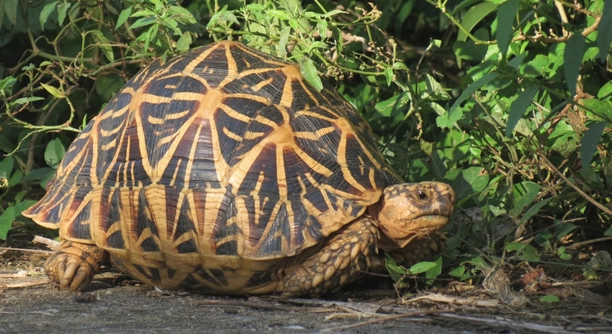
Indian Star Tortoises are known for their gentle nature, but occasionally, you might notice signs of aggression. Understanding the root of this behavior can help create a more peaceful environment for your pet.
Aggression in Indian Star Tortoises can be caused by various factors, including territoriality, stress, or an improper habitat. These tortoises may also act aggressively during mating season or if they feel threatened or confined. Understanding these causes is crucial.
By identifying the underlying cause, you can better manage your tortoise’s behavior and provide a comfortable and safe environment.
Causes of Aggression in Indian Star Tortoises
Aggression in Indian Star Tortoises can stem from several factors, most commonly stress, territorial disputes, or hormonal changes. Tortoises may become aggressive when they feel threatened, whether by other animals, humans, or changes in their environment. Males, in particular, can become more territorial or aggressive during the breeding season. They may display this behavior by hissing, charging, or even biting. Poor living conditions, such as an inadequate habitat or improper diet, can also contribute to irritability. These stresses can make your tortoise feel uneasy, causing it to act aggressively.
The environment plays a major role in shaping the tortoise’s behavior. An overcrowded or poorly maintained habitat can cause stress and lead to aggressive actions. If your tortoise’s space feels cramped or unsafe, it may react defensively.
Being mindful of these factors will help you prevent aggression. By creating a more stable, comfortable environment for your tortoise, you can reduce instances of aggressive behavior.
Stress Factors in the Environment
Tortoises are sensitive creatures, and stress can quickly lead to aggressive behavior. Any sudden changes in their environment or handling can cause distress. This includes changes in temperature, humidity, or light exposure.
A consistent and well-regulated environment is essential for your tortoise’s well-being. Temperature and humidity levels should be appropriate for their species, and their habitat should be spacious enough to allow movement. Constantly moving them between enclosures or environments can cause anxiety and aggression. Providing hiding spots and ensuring their surroundings are peaceful can reduce stress.
Stress may also arise from the presence of other animals. Tortoises are naturally solitary, and being in close contact with other pets can provoke aggression. If you have other reptiles or animals in the home, it’s best to keep them separated to avoid territorial conflicts that could lead to aggression.
Territorial Behavior
Male Indian Star Tortoises are particularly territorial. During mating seasons, their aggression may be driven by instincts to protect their territory from others. This behavior is normal, but it can be challenging to manage in captivity.
Territorial aggression can be observed when your tortoise is more vocal, hissing, or actively chasing other tortoises. Males may also display a more dominant posture and become more combative. To address this, it is best to keep male tortoises separate, particularly when breeding season begins. Keeping multiple males in the same space can lead to increased aggression and stress. Understanding these territorial instincts is vital for creating a calm living space for your tortoise.
Mating Season Behavior
During mating season, male Indian Star Tortoises are more likely to act aggressively. They may become territorial and more assertive in their behavior towards females and other males. This natural aggression is linked to the drive to protect their territory and attract mates.
If your tortoise is acting aggressively, especially during mating season, it’s often a temporary phase. However, this behavior can increase if multiple males are present in the same space. Reducing stress factors and ensuring that males are separated during this period can help manage the aggression.
Improper Habitat
An improper habitat can also cause aggression in tortoises. If their enclosure is too small or lacks the proper environmental conditions, your tortoise may feel stressed and act out. It’s essential to mimic their natural habitat as closely as possible to avoid discomfort.
Tortoises need space to roam, hide, and bask. Overcrowded enclosures can increase competition for space and resources, leading to aggression. Ensure that your tortoise’s enclosure has enough room and the right conditions for it to feel safe and secure. A well-maintained environment can reduce aggressive tendencies significantly.
Handling and Interaction
Handling your tortoise improperly can lead to aggressive behavior. While they may enjoy interaction, tortoises are not social animals by nature and may feel threatened if touched too often or too roughly.
Always handle your tortoise gently and allow it to approach you on its own terms. Avoid sudden movements that could startle it, and give it time to adjust to new experiences. Overhandling or forced interaction can lead to stress and aggression. Handling them properly ensures they feel more secure and less likely to act aggressively.
FAQ
Why is my Indian Star Tortoise hissing at me?
Hissing is a natural defense mechanism for tortoises. If your tortoise hisses at you, it may feel threatened or stressed. It’s important to observe their behavior and surroundings. Hissing is usually a warning sign, indicating that your tortoise wants to be left alone or feels uncomfortable. Try reducing handling and ensure the habitat is quiet and secure. Give your tortoise time to adjust and feel safe.
What are the signs that my tortoise is stressed?
Tortoises show stress through various signs, including aggression, hissing, excessive hiding, and refusal to eat. They may become more reclusive or exhibit erratic movement patterns. Stress can result from a variety of factors, such as overcrowding, sudden environmental changes, or improper temperature and humidity levels. If your tortoise is showing signs of stress, assess their environment to identify any factors that could be causing discomfort.
How can I stop my tortoise from being aggressive?
To reduce aggression, ensure your tortoise’s environment is calm and comfortable. This includes providing ample space, maintaining appropriate temperatures, and minimizing interactions that could cause stress. If territorial behavior is an issue, consider separating tortoises that are aggressive toward one another. Proper diet, habitat, and handling also play a significant role in calming an aggressive tortoise.
Does the diet affect a tortoise’s behavior?
Yes, diet can impact your tortoise’s behavior. An unbalanced diet, especially one lacking in essential nutrients, can cause irritability and stress. Ensure your tortoise is eating a variety of appropriate foods such as grasses, leafy greens, and occasional fruits. A nutritious diet helps maintain their overall health, reducing the likelihood of aggressive behavior caused by nutritional deficiencies.
Can I keep multiple Indian Star Tortoises together?
While it’s possible to house multiple tortoises together, it is not always recommended. Males, especially during mating season, can become aggressive towards each other. Overcrowded enclosures can also increase territorial disputes. If you choose to keep multiple tortoises, ensure each has enough space and access to food and water without competition.
How can I tell if my tortoise is in pain?
Signs of pain in tortoises can be subtle but noticeable. A tortoise in pain may become lethargic, avoid eating, or hide more than usual. If your tortoise is limping, has difficulty moving, or exhibits abnormal behaviors, it may be in pain. Always check for any visible injuries or swelling. If you suspect pain, consult a veterinarian specializing in reptiles.
What temperature is best for my tortoise?
Indian Star Tortoises thrive in temperatures ranging from 75°F to 85°F during the day. At night, temperatures should drop slightly, between 70°F to 75°F. Basking areas should be warmer, reaching up to 90°F. Keeping your tortoise’s environment at the right temperature helps regulate their metabolism and overall health. Improper temperature can lead to stress, aggression, and health issues.
How do I know if my tortoise is ready to breed?
Male tortoises typically show signs of aggression and territorial behavior during the breeding season. You may notice them chasing females, displaying more dominant behaviors, or making loud vocalizations. Females, on the other hand, may become more aggressive if they feel threatened during mating attempts. If you notice these behaviors, it’s a sign your tortoise may be in breeding mode.
Can my tortoise be kept outside?
Tortoises can be kept outside, but only if the environment is secure and suitable for their needs. A safe outdoor enclosure should protect them from predators, have areas for hiding, and provide ample space to roam. Additionally, the weather should be warm and free of extremes. Be mindful of temperature fluctuations and ensure there is always access to fresh food and water.
Why is my tortoise not eating?
Loss of appetite in tortoises can be caused by stress, illness, or environmental factors. If your tortoise is not eating, check for signs of discomfort or illness, such as lethargy or abnormal behavior. Ensure the habitat is clean, at the right temperature, and properly lit. If the issue persists, consult a veterinarian. Stress, changes in diet, or even overhandling can also cause a decrease in appetite.
Final Thoughts
Understanding why your Indian Star Tortoise is acting aggressively can help you address the underlying cause and create a more peaceful environment for them. Whether the aggression is due to mating behavior, territorial disputes, or stress, knowing the trigger can guide you in making the right adjustments. It’s important to remember that tortoises are creatures of habit, and changes in their routine or environment can lead to behavioral shifts. By maintaining a stable, secure environment and being mindful of their needs, you can help reduce their aggression over time.
Aggression in tortoises is not always something to be feared. In many cases, it is a natural response to specific stimuli. For example, during mating season, male tortoises are often more territorial, and this behavior can be mistaken for aggression. Similarly, improper housing or handling can contribute to stress, leading to aggressive tendencies. Understanding the difference between natural behavior and signs of discomfort is key to determining the best course of action. In some situations, separating tortoises or giving them more space may be all that’s needed to calm them down.
Ultimately, patience and consistency are crucial in managing an aggressive tortoise. Regularly checking on their habitat conditions, providing the right diet, and handling them gently can all contribute to reducing aggressive behaviors. It’s also essential to recognize that tortoises have individual personalities, and some may be more prone to aggression than others. Keeping their environment peaceful and ensuring they feel safe can make a significant difference in their behavior. With time and proper care, your tortoise’s aggression should subside, allowing you both to enjoy a healthier and more harmonious relationship.

Hello,
If you enjoy the content that we create, please consider saying a "Thank You!" by leaving a tip.
Every little bit helps us continue crafting quality advice that supports the health, happiness, and well-being of pets around the world, for pets of all shapes, sizes, and species.
We really appreciate the kindness and support that you show us!