
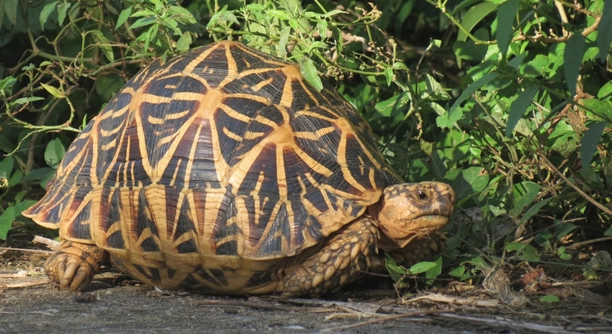
Setting up a tank for an Indian Star Tortoise can be tricky. While the process may seem straightforward, there are common mistakes that many turtle owners make when preparing their pet’s environment. These issues can affect the tortoise’s health and comfort.
Some common problems with Indian Star Tortoise tank setups include improper lighting, incorrect substrate, inadequate humidity, and lack of space. Addressing these issues ensures a healthier environment for your tortoise, making sure its needs are fully met for well-being and longevity.
Understanding these issues and their fixes can greatly improve your tortoise’s habitat. Continue reading to learn more about how to correct these common setup problems for your pet.
Lighting Issues and How to Fix Them
Lighting is one of the most important aspects of a tortoise’s tank setup. Without proper lighting, your Indian Star Tortoise may struggle to digest food, regulate its body temperature, or even develop health problems. Many owners make the mistake of using regular household lights, which do not provide the right spectrum or intensity for the tortoise. The key to a proper setup is using UVB lighting, which mimics natural sunlight. UVB light is essential for synthesizing vitamin D3, allowing your tortoise to absorb calcium, which is crucial for strong bones and a healthy shell.
If your tank’s lighting is incorrect, your tortoise could develop metabolic bone disease or shell deformities. Make sure to place the UVB light in an area where the tortoise can bask under it, and be sure to replace the bulb every six months to maintain effectiveness. Tortoises also need a heat lamp to provide warmth during basking periods. A consistent temperature gradient will keep your pet comfortable and healthy.
Make sure to check your lighting setup regularly to avoid any issues. It will keep your tortoise thriving.
Incorrect Substrate and Its Effects
Substrate is another key part of your tortoise’s habitat. Using the wrong type of bedding can affect the humidity levels and comfort of your tortoise.
If the substrate is too loose or dusty, it can cause respiratory issues. The right material should retain moisture but still allow for proper airflow. Avoid using sand, as it can cause impaction if ingested. The best substrates for Indian Star Tortoises include coconut coir, cypress mulch, or organic topsoil. These options help maintain a balanced humidity level while being safe for your tortoise.
The wrong substrate can lead to serious health problems over time. Be sure to use a material that promotes a healthy, comfortable environment for your tortoise.
Humidity Problems in the Tank
Humidity levels play a crucial role in the health of your tortoise. Too much humidity can cause fungal growth, while too little can lead to dehydration and respiratory issues.
To maintain the correct humidity, make sure to regularly monitor the tank with a hygrometer. The ideal range for Indian Star Tortoises is between 50% and 70%. Adding a water dish, misting the substrate lightly, or using a humidifier can help achieve the right levels. Avoid excessive moisture, as it can create mold and other issues.
If humidity is low, increase moisture by adding a shallow water dish and misting the tank regularly. Always avoid leaving the substrate too damp, as this can lead to health problems.
Insufficient Tank Size and Its Impact
A cramped tank can lead to stress and health problems in your tortoise. It’s essential to provide a spacious area for your tortoise to roam, bask, and explore.
An adult Indian Star Tortoise requires at least a 40-gallon tank, with more space being better. A larger tank allows for a proper heat gradient and enough room for natural behaviors. If the tank is too small, your tortoise may experience stunted growth or become overly stressed, impacting its overall well-being.
Make sure your tortoise’s tank is big enough to accommodate its needs. The extra space can make a significant difference in its quality of life.
Incorrect Temperature Regulation
Temperature is a critical aspect of your tortoise’s tank. If it is too hot or too cold, your tortoise may experience stress or health problems.
The basking area should be around 90°F (32°C), while the cooler side of the tank should range from 75°F to 80°F (24°C to 27°C). Use a reliable thermometer to maintain proper temperatures. Heat mats or ceramic heat emitters can help, but avoid using incandescent bulbs that can cause overheating.
Proper temperature regulation helps your tortoise stay active and healthy, so ensure it’s kept within these recommended ranges. Monitoring the temperature is essential for a happy, thriving tortoise.
Lack of Hiding Spots
Providing hiding spots in the tank allows your tortoise to feel safe and secure. Without them, it may become stressed.
Indian Star Tortoises are naturally shy creatures. They need a place to retreat when they feel threatened. Use rocks, logs, or commercially available hides to create these spaces. Make sure the hiding spots are easily accessible and placed in different areas of the tank, so your tortoise can choose when it needs privacy.
Hiding spots provide essential comfort, promoting a healthier and less stressed tortoise.
FAQ
What type of UVB light should I use for my Indian Star Tortoise?
You should use a UVB bulb specifically designed for reptiles. A 10.0 UVB bulb is usually recommended for Indian Star Tortoises. This provides the correct wavelength of light needed to help them synthesize vitamin D3, which is essential for calcium absorption. Make sure to replace the bulb every six months, as its UVB output diminishes over time, even if it still lights up. Position the light close to the basking area to ensure your tortoise can benefit from it.
How often should I clean my tortoise’s tank?
The tank should be cleaned regularly to prevent the buildup of harmful bacteria. Spot cleaning should be done daily, removing any leftover food, waste, or soiled substrate. A deep cleaning should be done every 2-3 weeks, depending on the size of the tank and the number of tortoises. During a deep clean, remove all substrate, clean the decorations, and wipe down the tank’s surfaces with a reptile-safe disinfectant.
Can I use sand in my tortoise’s tank?
It is not recommended to use sand in your Indian Star Tortoise’s tank. While it may seem natural, sand can cause serious health problems if ingested. Tortoises often ingest small amounts of substrate while eating, and sand can lead to impaction, which can be life-threatening. Opt for coconut coir, cypress mulch, or organic topsoil instead. These materials are safe, easy to clean, and maintain the right humidity levels.
How much space does my Indian Star Tortoise need?
Indian Star Tortoises require ample space to roam and explore. A tank for an adult tortoise should be at least 40 gallons. However, the larger the enclosure, the better. A bigger tank allows for more natural behavior and a proper temperature gradient. If possible, consider setting up an outdoor enclosure for more space and natural sunlight.
Can my tortoise live in a glass tank?
Yes, a glass tank can be used, but it needs to be properly set up with the right temperature and humidity. Make sure the glass tank is large enough to allow for adequate space and proper airflow. Glass tanks can sometimes trap heat, so be sure to monitor the temperature closely. Additionally, ensure the tank has sufficient ventilation to prevent moisture buildup, which could affect humidity levels.
What is the best substrate for my tortoise’s tank?
Coconut coir, cypress mulch, and organic topsoil are great choices for Indian Star Tortoises. These materials are safe, absorb moisture well, and help maintain a stable humidity level. Avoid using sand, gravel, or cedar-based products, as they can pose health risks. A good substrate should be easy to spot clean and replace periodically. Make sure to keep it slightly damp to maintain proper humidity but not too wet to cause mold growth.
How do I maintain the right humidity in the tank?
Maintaining proper humidity is important for your tortoise’s health. The ideal range for Indian Star Tortoises is 50% to 70%. You can achieve this by lightly misting the substrate once or twice a day, adding a shallow water dish, or using a humidifier. Be careful not to overdo it, as excess moisture can lead to fungal growth or respiratory issues. Regularly monitor the humidity with a hygrometer to ensure it stays within the recommended range.
Can my tortoise eat fruits and vegetables?
Yes, Indian Star Tortoises can eat a variety of fruits and vegetables, but they should be given in moderation. The majority of their diet should consist of leafy greens, grasses, and flowers. Fruits should be offered occasionally as a treat, as they can be high in sugar. Vegetables like squash, bell peppers, and carrots are good options. Always avoid feeding them toxic plants, such as iceberg lettuce or any plants that are high in oxalates.
How do I know if my tortoise is stressed?
Signs of stress in Indian Star Tortoises can include hiding excessively, not eating, or being unusually lethargic. Stress can be caused by improper temperature, humidity, or lighting, as well as a small or inadequate enclosure. If your tortoise is not behaving normally, check the setup to ensure everything is within the correct range. A stressed tortoise may also try to escape the tank or show signs of aggression.
What temperature should the basking area be?
The basking area should be between 90°F and 95°F (32°C and 35°C). This allows your tortoise to absorb heat and promote digestion. The cooler side of the tank should be around 75°F to 80°F (24°C to 27°C) to provide a temperature gradient. This gradient allows your tortoise to regulate its body temperature by moving between warmer and cooler areas.
Can I use a heat lamp for my tortoise’s tank?
Yes, heat lamps are necessary to provide the warmth your tortoise needs. Use a basking light to create a warm area for your tortoise to sunbathe. Ensure that the lamp does not overheat the tank. A ceramic heat emitter can also be used at night to maintain warmth without providing light. Be cautious about temperature fluctuations to avoid stressing your tortoise.
Should I feed my tortoise daily?
Indian Star Tortoises do not need to be fed daily. Young tortoises can be fed every other day, while adults can eat 2-3 times per week. Overfeeding can lead to obesity and other health issues. Provide a variety of leafy greens and grasses, and avoid feeding them too many high-calcium foods. Always remove any uneaten food from the tank to prevent it from spoiling.
How often should I change the substrate?
It’s important to replace the substrate every 2-3 months, depending on the size of the enclosure and how many tortoises are in the tank. Regular spot cleaning should be done daily to remove waste and uneaten food. Over time, the substrate can break down and lose its effectiveness in maintaining proper humidity, so it’s essential to replace it periodically for your tortoise’s health.
Final Thoughts
Creating the perfect tank setup for your Indian Star Tortoise requires careful attention to temperature, humidity, lighting, and space. It’s essential to provide the right environment to keep your tortoise healthy and happy. While it may seem challenging at first, with the right knowledge and preparation, you can create a comfortable habitat for your tortoise that meets all its needs.
As you work to address common setup problems, always remember that your tortoise’s well-being depends on consistent care. Keeping the temperature and humidity levels in the correct range will help prevent health issues, while providing plenty of hiding spots and natural light will reduce stress. Regular tank cleaning and feeding a proper diet are equally important for maintaining a healthy tortoise. By following these tips, you can avoid common pitfalls and create a long-lasting environment for your pet.
Remember that every tortoise is unique. Some may have specific preferences, and you may need to adjust their setup over time. It’s important to stay observant and make changes when needed. Providing a comfortable, safe space for your tortoise will not only improve its quality of life but also strengthen the bond between you and your pet.

Hello,
If you enjoy the content that we create, please consider saying a "Thank You!" by leaving a tip.
Every little bit helps us continue crafting quality advice that supports the health, happiness, and well-being of pets around the world, for pets of all shapes, sizes, and species.
We really appreciate the kindness and support that you show us!