
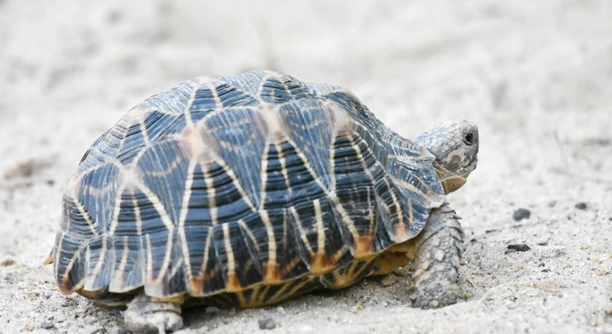
Indian star tortoises are fascinating creatures, and as a pet owner, you may find yourself wondering about their dietary needs. Their diet plays a crucial role in maintaining their health and well-being, so understanding what they can safely eat is important.
Indian star tortoises can eat Swiss chard in moderation, as it provides essential nutrients. However, due to its high oxalate content, it should not be fed too often, as excessive oxalates can interfere with calcium absorption.
Understanding how often Swiss chard can be offered to your tortoise will help ensure a balanced diet and overall good health.
Nutritional Benefits of Swiss Chard for Indian Star Tortoises
Swiss chard is a leafy green that offers several nutritional benefits for your Indian star tortoise. It contains vitamins A, C, and K, all of which support the tortoise’s immune system, bone health, and overall well-being. Additionally, Swiss chard is high in fiber, which is crucial for digestive health. However, its high calcium content is a positive feature, but it comes with a trade-off. Swiss chard is also rich in oxalates, compounds that can bind to calcium and reduce its absorption. Feeding Swiss chard occasionally provides a healthy boost to your tortoise’s diet, but it should be done with caution to avoid potential health issues.
While Swiss chard can provide essential nutrients, it should not be a staple in your tortoise’s diet. This balance is key to maintaining a healthy and happy tortoise.
Understanding how to incorporate Swiss chard into your pet’s diet will help you give them variety while ensuring their calcium intake is optimized. Moderation is the key to feeding any leafy green, including Swiss chard.
How Often Can You Feed Swiss Chard?
Offering Swiss chard once or twice a week is generally considered safe for Indian star tortoises.
Since Swiss chard contains high levels of oxalates, feeding it too often can result in calcium deficiencies over time. It’s important to pair Swiss chard with other greens, such as dandelion leaves, collard greens, or mustard greens. These alternatives provide necessary nutrients while keeping the oxalate levels in check. As a general rule, a varied diet helps to ensure that your tortoise is receiving a well-rounded mix of vitamins and minerals.
Incorporating a mix of different leafy greens will prevent over-reliance on any one food source and ensure your tortoise gets the full spectrum of nutrition.
Risks of Overfeeding Swiss Chard
Overfeeding Swiss chard can cause more harm than good for Indian star tortoises. The high oxalate content binds with calcium, preventing proper absorption. This can lead to calcium deficiencies, impacting your tortoise’s bone health. It’s crucial to avoid offering Swiss chard as a regular meal.
Feeding Swiss chard too often can result in serious health issues, especially with the absorption of calcium. A lack of calcium can lead to metabolic bone disease, which is dangerous for tortoises. This condition weakens their bones and affects their overall development. To keep your tortoise healthy, limit the number of times Swiss chard is served.
To prevent overfeeding, it’s essential to offer a mix of other greens with lower oxalate content. This ensures your tortoise gets the variety and balance needed to thrive. By being mindful of how often Swiss chard is included in their diet, you can avoid any long-term health concerns.
Alternatives to Swiss Chard for Indian Star Tortoises
If you’re looking to add variety to your tortoise’s diet, there are plenty of other options. Dark leafy greens like kale, collard greens, and mustard greens are excellent choices. These alternatives are low in oxalates and high in nutrients, making them safer for regular feeding.
Kale is rich in calcium, vitamin A, and fiber, all of which support healthy growth and digestion in Indian star tortoises. Collard greens are another great option, offering a variety of vitamins and minerals. These greens have lower oxalate levels, reducing the risk of calcium interference. Mixing these greens into your tortoise’s diet helps maintain a balanced and nutritious meal plan.
Signs of Calcium Deficiency in Tortoises
A clear sign of calcium deficiency in your tortoise is soft or brittle shells. If your tortoise’s shell becomes pliable or starts to show signs of deformities, calcium levels may be too low. Regular monitoring and providing a balanced diet can prevent this.
Another indication of calcium deficiency includes tremors or difficulty moving. If your tortoise is lethargic or struggling to walk, it might be suffering from calcium imbalance. Providing a proper diet with calcium-rich foods, such as dandelion greens and some leafy vegetables, can help prevent this issue from developing.
Monitoring Your Tortoise’s Health
Keeping track of your tortoise’s health requires regular observation. Check for signs of lethargy, shell changes, or abnormal behavior, all of which can indicate nutritional issues. A well-balanced diet will promote optimal growth and help avoid health complications. It’s important to ensure your tortoise gets appropriate sunlight and calcium supplements if needed.
Best Way to Serve Swiss Chard
To make Swiss chard safer for your tortoise, it’s best to wash it thoroughly to remove any pesticides or chemicals. You can cut it into smaller, manageable pieces to make it easier for your tortoise to eat. Remember to offer it as part of a varied diet to avoid overfeeding.
FAQ
Can Indian star tortoises eat Swiss chard every day?
No, Indian star tortoises should not eat Swiss chard every day due to its high oxalate content. Oxalates can bind to calcium and prevent proper absorption, which can lead to calcium deficiencies. It’s best to offer Swiss chard in moderation, around once or twice a week, as part of a balanced diet.
What other greens can I feed my Indian star tortoise?
In addition to Swiss chard, you can feed your tortoise other leafy greens like dandelion greens, collard greens, mustard greens, and kale. These greens are lower in oxalates and offer a good balance of nutrients for your tortoise’s diet. They also provide important vitamins and minerals like calcium and vitamin A.
How do I know if my tortoise is not getting enough calcium?
If your tortoise is not getting enough calcium, you may notice soft or brittle shell growth. In severe cases, the shell may become deformed or weakened. Additionally, lethargy, lack of movement, or muscle tremors can be signs of calcium deficiency. Regularly offering calcium-rich foods and providing UVB lighting can help prevent this.
Is it necessary to provide UVB light for my tortoise?
Yes, UVB lighting is crucial for your tortoise’s health. UVB rays help your tortoise synthesize vitamin D3, which is necessary for calcium absorption. Without proper UVB exposure, your tortoise may develop metabolic bone disease, which weakens bones and shells. Ensure your tortoise has access to UVB lighting for at least 10-12 hours a day.
How often should I supplement my tortoise’s diet with calcium?
If your tortoise is on a balanced diet with sufficient calcium-rich foods, calcium supplements may not be needed daily. However, it’s a good idea to dust their food with a calcium supplement once or twice a week. Be sure to use a supplement without phosphorus to maintain a proper calcium-to-phosphorus ratio.
Can I feed my tortoise fruit?
Yes, fruits can be fed to your tortoise, but they should be given in moderation. Fruit is high in sugar and should not be the main part of their diet. Offer small portions of fruit like strawberries, melons, and apples occasionally. Avoid citrus fruits, as they can be too acidic for tortoises.
Is it safe to feed Swiss chard stems to my tortoise?
Yes, the stems of Swiss chard are safe for your tortoise to eat. However, they should be chopped into smaller, manageable pieces to make eating easier. Like the leaves, the stems should be offered in moderation due to their oxalate content.
How can I tell if my tortoise is overfed?
Signs of overfeeding in tortoises include weight gain, lethargy, or a noticeable decrease in activity. Tortoises that are overfed may also refuse food or have difficulty moving. To avoid overfeeding, offer a variety of greens in appropriate portion sizes and monitor their health regularly.
What’s the best way to store Swiss chard for my tortoise?
To keep Swiss chard fresh for your tortoise, store it in the refrigerator in a plastic bag or container. It’s best to use the greens within a few days of purchase to ensure they retain their nutritional value. Avoid storing Swiss chard for too long, as it can wilt and lose its freshness.
Can my tortoise eat cooked Swiss chard?
It’s best to feed your tortoise raw Swiss chard. Cooking the chard can reduce its nutritional content and may break down important vitamins. Always serve fresh, raw greens to ensure your tortoise gets the maximum benefit from the food. Steaming can sometimes be used, but raw is generally preferred.
Are there any foods I should avoid feeding my tortoise?
Yes, avoid feeding your tortoise foods that are high in sugar, acid, or oxalates. These include citrus fruits, iceberg lettuce, and avocado. Additionally, never feed your tortoise any processed foods, as they lack the necessary nutrients and can be harmful. Stick to natural, fresh vegetables and leafy greens.
How can I ensure my tortoise gets a balanced diet?
To ensure your tortoise gets a balanced diet, provide a variety of leafy greens, vegetables, and occasional fruit. Offer calcium and vitamin D3 supplements if necessary, and ensure they have access to UVB light for proper calcium absorption. Regularly monitor their health and adjust their diet as needed.
What should I do if my tortoise refuses to eat Swiss chard?
If your tortoise refuses to eat Swiss chard, it could be due to the food being unfamiliar or unappetizing to them. Try offering different greens or mixing Swiss chard with other leafy vegetables. If refusal persists, it might be a sign of an underlying health issue, and a vet consultation may be necessary.
Can I feed my tortoise Swiss chard with other vegetables?
Yes, you can feed your tortoise Swiss chard along with other vegetables. It’s important to mix a variety of greens and vegetables to provide a broad range of nutrients. Just ensure that the combination is balanced, and avoid feeding too much of any single type of vegetable to prevent nutrient imbalances.
What’s the best way to introduce new food to my tortoise?
When introducing new food to your tortoise, start with small amounts and observe their reaction. Offer the new food alongside familiar items, and be patient if they are hesitant at first. Tortoises can be slow to try new foods, but they often warm up to them with time and consistency.
Final Thoughts
In conclusion, feeding Indian star tortoises requires a balanced approach. While Swiss chard can be part of their diet, it should not be given every day due to its high oxalate content. Offering it in moderation, along with other calcium-rich vegetables, ensures your tortoise gets the nutrients it needs without risking any health problems. As with all feeding, variety is essential, and providing a mix of leafy greens and vegetables helps to meet their dietary requirements.
Providing the right environment is just as important as feeding. Ensuring your tortoise has access to UVB light is crucial for their health, as it helps them synthesize vitamin D3, which is necessary for calcium absorption. Without proper UVB exposure, even the best diet won’t be enough to maintain strong bones and a healthy shell. Regularly checking on your tortoise’s health and observing for signs of calcium deficiencies, like shell softness or lack of movement, is important.
A well-balanced diet combined with proper lighting, hydration, and regular vet check-ups will help keep your Indian star tortoise healthy and happy. By following these simple guidelines, you can support their well-being and avoid common dietary issues. Providing the right foods, like Swiss chard in moderation and a variety of other greens, ensures that your tortoise thrives for years to come.

Hello,
If you enjoy the content that we create, please consider saying a "Thank You!" by leaving a tip.
Every little bit helps us continue crafting quality advice that supports the health, happiness, and well-being of pets around the world, for pets of all shapes, sizes, and species.
We really appreciate the kindness and support that you show us!