
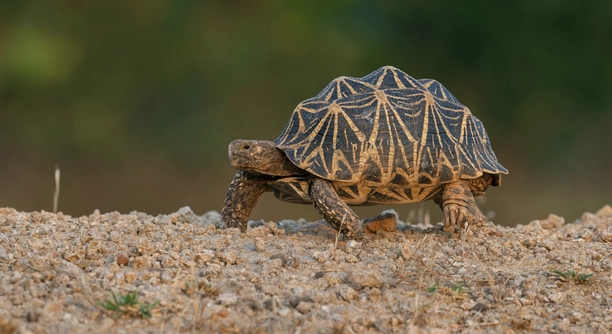
Building a habitat for an Indian Star Tortoise requires careful planning. Understanding their needs is key to ensuring they thrive in their new environment. The right habitat makes a big difference in their health and happiness.
Before constructing a habitat for your Indian Star Tortoise, it is essential to assess factors such as space, temperature, humidity, and lighting. These elements must align with the species’ natural environment to support its growth, well-being, and longevity.
By understanding these key points, you can create a suitable home that meets your tortoise’s needs. The following guide will help you make informed decisions when building the ideal habitat.
1. Choosing the Right Space for Your Indian Star Tortoise Habitat
The space you provide for your Indian Star Tortoise should mimic its natural environment. These tortoises prefer a relatively large area to move around, so make sure their habitat isn’t too cramped. A minimum of 4×8 feet of space is recommended for one tortoise. This gives them room to roam and bask in the sun. Consider using a sturdy enclosure, like a large outdoor pen, or an indoor terrarium for smaller spaces.
The space should be escape-proof to ensure your tortoise remains safe. Tortoises are excellent at climbing and digging, so ensure the walls are high enough and the ground is secure.
Adding different levels, such as a small raised area or logs to climb on, will give your tortoise more stimulation. This also mirrors their natural behavior of seeking higher ground. It’s important to allow them to explore and move freely while keeping them safe and comfortable in their new home.
2. Temperature and Humidity Control
The temperature in your tortoise’s habitat is one of the most critical factors.
Indian Star Tortoises thrive in warm, dry conditions. Their enclosure should maintain a temperature between 80°F and 90°F during the day, with a slight drop at night. A basking spot should reach 95°F to allow them to regulate their body temperature.
Along with temperature, maintaining proper humidity is also essential. Aim for a humidity level of around 50-60%. Too much moisture can lead to respiratory issues, while too little can cause dehydration and shedding problems. If you live in a dry climate, you may need to use a humidifier or mist the enclosure occasionally. This will help create a balance, making sure your tortoise remains healthy.
Providing a temperature gradient in the habitat, from a warm basking area to a cooler area, allows your tortoise to regulate its body temperature easily. Ensure the heat source doesn’t create hotspots, which could lead to overheating.
3. Lighting for Your Indian Star Tortoise Habitat
Providing adequate lighting is crucial for your tortoise’s health.
UVB lighting is necessary to help them absorb calcium and prevent metabolic bone disease. Use a UVB bulb that provides a full spectrum of light. It should be placed close enough to the tortoise to ensure effective exposure. Make sure the light is on for 10-12 hours a day.
You can also use a basking light to create a warm spot for your tortoise to soak up the heat. This is important for digestion and overall well-being. Make sure to replace bulbs regularly as their effectiveness diminishes over time.
During the night, you can turn off the basking and UVB lights, as tortoises need a cool, dark period to rest. Ensure there is no direct light shining in the habitat at night to prevent disruption to their sleep cycle.
4. Substrate for the Habitat
The right substrate is key to keeping your tortoise comfortable.
Choose a substrate that can retain moisture without being too damp. A mix of organic soil, sand, and coconut coir works well, as it provides a natural feel while also being easy to clean. Avoid using pine or cedar wood shavings, as they can release harmful oils that may affect your tortoise’s health.
The substrate should be deep enough to allow your tortoise to dig. Digging is a natural behavior for them, so ensure the depth is at least 2-3 inches. This also helps them feel more secure and gives them enrichment. Changing the substrate regularly is necessary to prevent odors and maintain hygiene.
5. Food and Water Requirements
Your tortoise’s diet is crucial to its overall health.
Indian Star Tortoises are herbivores and thrive on a diet of leafy greens, grasses, and edible flowers. They also need a variety of vegetables, but avoid too much fruit due to its high sugar content. Fresh water should always be available.
Water should be shallow, as tortoises may attempt to drink or soak in it. You can use a shallow bowl, but make sure it’s not deep enough to cause drowning. Regularly clean the bowl to prevent bacteria build-up.
6. Handling and Interaction
Though tortoises aren’t particularly social, they can still become accustomed to handling.
Try to avoid excessive handling, as it can cause stress. Let your tortoise come to you on its own terms. Gradually, they may become comfortable with light interaction. Always support their body properly to prevent injury.
7. Safety and Escape-Proofing the Habitat
Make sure your tortoise’s habitat is secure.
Check for any gaps or areas where your tortoise could escape, especially if you are using an outdoor pen. Even small openings can allow them to slip through. It’s also important to keep the area free from potential predators.
FAQ
How much space does an Indian Star Tortoise need?
An Indian Star Tortoise needs a spacious area to move around freely. For one tortoise, the minimum recommended size is 4×8 feet. Larger spaces are always better, as this provides room for exploring, basking, and digging. If you are keeping more than one tortoise, increase the space accordingly. Providing ample space will reduce stress and allow your tortoise to thrive.
What temperature should the habitat be?
The temperature inside your tortoise’s habitat should range between 80°F and 90°F during the day. A basking area should reach about 95°F. At night, the temperature can drop slightly but should not fall below 70°F. It’s essential to have a temperature gradient within the habitat so your tortoise can move between warmer and cooler areas as needed.
Can I keep my tortoise outside?
Yes, you can keep your Indian Star Tortoise outside, but only if the weather is warm enough and you have a secure, escape-proof enclosure. The outdoor pen should be large enough to allow the tortoise to roam and should be shielded from predators. Make sure the outdoor temperature stays within the recommended range and that there is always a shaded area for your tortoise to retreat to if it gets too hot.
What type of lighting does an Indian Star Tortoise need?
Indian Star Tortoises require both UVB light and basking light. UVB light helps them synthesize vitamin D3 and absorb calcium, which is essential for bone health. Use a full-spectrum UVB bulb that is placed within 12 inches of your tortoise. The basking light should create a warm spot where the tortoise can regulate its body temperature, ideally around 95°F.
How often should I clean the habitat?
Cleaning your tortoise’s habitat should be done regularly to maintain a healthy environment. Spot clean the substrate daily by removing any waste. Once a week, change the substrate entirely and clean the water bowl thoroughly. Additionally, sanitize any other surfaces in the habitat, such as basking rocks or logs. This will prevent the build-up of bacteria and mold, keeping your tortoise’s home fresh and safe.
What should I feed my Indian Star Tortoise?
Indian Star Tortoises are herbivores and need a diet rich in leafy greens, grasses, and edible flowers. Good choices include dandelion greens, clover, collard greens, and hibiscus flowers. You can also offer vegetables like squash, pumpkin, and carrots. Limit fruit intake, as it is high in sugar. Always provide fresh, clean water.
Can Indian Star Tortoises be kept with other tortoises?
While Indian Star Tortoises can sometimes cohabit with other tortoises, caution is needed. Different species have different environmental and dietary needs, so it’s best to house them separately. Tortoises can also be territorial and may become aggressive toward each other. If you choose to keep more than one tortoise together, ensure there is plenty of space and resources to avoid conflict.
Do Indian Star Tortoises hibernate?
Indian Star Tortoises do not hibernate in the same way that some other species of tortoises do, but they may enter a period of dormancy. This typically happens during cooler months if they are kept outside or in a habitat that is too cold. It’s important to avoid letting your tortoise go into dormancy in captivity, as this can lead to health issues. Maintain a consistent temperature year-round to keep your tortoise active.
How long do Indian Star Tortoises live?
Indian Star Tortoises can live for decades if properly cared for. On average, they live between 30 and 50 years, but some have been known to live even longer. Proper habitat, diet, and regular veterinary care are key to ensuring a long, healthy life for your tortoise.
Can I handle my Indian Star Tortoise?
You can handle your tortoise, but it’s important not to overdo it. Excessive handling can cause stress and disrupt your tortoise’s natural behaviors. When you do handle your tortoise, be gentle and support its body properly. Let your tortoise explore on its own terms, and always return it to its habitat after short interactions.
Final Thoughts
Building a suitable habitat for your Indian Star Tortoise is a responsibility that requires careful planning. It’s essential to consider the basic needs of temperature, humidity, lighting, and space before setting up their environment. Providing a secure and comfortable space for your tortoise is vital for its well-being. By meeting these needs, you can ensure your tortoise has a healthy and happy life. Proper attention to detail in every aspect of the habitat can help prevent common health issues and allow your tortoise to live a long life.
The diet you offer is another important factor in their health. Indian Star Tortoises thrive on a diet of leafy greens, grasses, and occasional vegetables. Avoid overfeeding them fruit, as the sugar content is too high. Fresh, clean water should always be available, but it’s important to ensure the water bowl isn’t deep enough to cause accidents. A balanced diet, paired with the right lighting and environmental conditions, will help your tortoise thrive and grow strong. It’s also important to provide enrichment in the form of space to roam and the opportunity to dig, as these behaviors are part of their natural instincts.
Regular maintenance of the habitat is also key to your tortoise’s health. Keeping the enclosure clean and free from waste will prevent the buildup of bacteria and other harmful pathogens. By regularly changing the substrate and cleaning the water bowl, you help maintain a safe and hygienic space. Remember to monitor your tortoise’s behavior and health, as this will give you insight into any changes needed in the habitat. With proper care and attention, your Indian Star Tortoise can live a long, healthy life in an environment that suits its needs.

Hello,
If you enjoy the content that we create, please consider saying a "Thank You!" by leaving a tip.
Every little bit helps us continue crafting quality advice that supports the health, happiness, and well-being of pets around the world, for pets of all shapes, sizes, and species.
We really appreciate the kindness and support that you show us!