
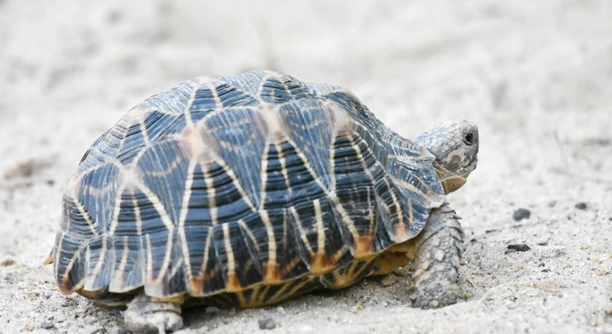
Indian Star Tortoises are fascinating creatures, but you may notice them pressing against the glass of their enclosure more often than you’d like. Understanding why this behavior happens is key to ensuring your pet’s well-being.
Indian Star Tortoises may press against glass as a response to frustration, stress, or a lack of space. They often mistake the glass for an open path, as they instinctively seek out new areas to explore.
This behavior is usually not a cause for concern, but understanding its underlying causes can help improve your tortoise’s environment and overall happiness. Knowing what triggers this action is important for proper care.
The Main Causes Behind the Behavior
Indian Star Tortoises are naturally curious animals, so they tend to explore their surroundings. However, when confined to a tank or enclosure, they may press against the glass because they perceive it as an obstacle or barrier they need to overcome. This often happens if the space provided is too small or lacks enough enrichment to keep them engaged. It’s also important to note that the tortoises might mistake the glass for an open area, especially when they see the outside world or an empty space. Their instincts drive them to move toward what they believe is a path, but the glass obstructs their movement.
The behavior could also be a sign of stress. If the tortoise feels threatened or uncomfortable in its environment, it may try to escape by pressing against the glass.
The environment plays a significant role in whether your tortoise exhibits these behaviors. Make sure their tank has adequate space, hiding spots, and safe spots for basking. You can also add items like rocks, plants, and tunnels to create more enrichment. Proper lighting and heating are also essential to ensure they feel comfortable in their home. If your tortoise is pressing against the glass frequently, it could mean they need more stimulation or a change in their habitat.
Managing Stress and Frustration
Sometimes, tortoises may be pressing against the glass because of stress or frustration.
Addressing these factors involves ensuring that your tortoise’s enclosure is as close to its natural environment as possible. This includes providing a suitable substrate, access to proper lighting, and a temperature gradient that allows the tortoise to regulate its body temperature. If these conditions are not met, the tortoise may become anxious, leading to behaviors like pressing against the glass in search of a more comfortable spot.
To reduce stress, it’s helpful to establish a routine and maintain consistency in their care. Provide hiding places for your tortoise to retreat to when they feel overwhelmed. If they have enough space to roam around freely, they will likely feel less trapped and more content. With patience and the right environment, your tortoise can feel secure in its home.
Space and Habitat Adjustments
If the enclosure is too small, your tortoise will feel confined, which may lead to pressing against the glass. Providing more room allows your tortoise to move around, explore, and feel less restricted. A larger enclosure gives them the freedom to exhibit natural behaviors and prevents frustration.
Increasing the size of the enclosure isn’t always about just extra space. It’s about making sure the space feels safe and comfortable. Ensure there are hiding spots, visual barriers, and multiple basking areas for your tortoise to access. The right setup encourages your tortoise to relax instead of constantly searching for a way out.
You can also introduce a varied landscape within the tank to mimic natural surroundings. Small rocks, plants, or logs can help provide obstacles to climb over and under, keeping the tortoise mentally stimulated. This setup reduces the likelihood of repetitive behaviors like pressing against the glass, offering your pet a more fulfilling habitat.
Environmental Enrichment
Tortoises are curious by nature and benefit greatly from enrichment in their environment. Without stimulation, they may become frustrated and exhibit behaviors such as pressing against the glass. Adding things to explore, like tunnels or small rocks, gives your tortoise something to do rather than focus on the glass barrier.
Provide variety in the environment with items that encourage foraging and exploration. Scatter food items or create climbing areas within the enclosure. Regularly rotating objects keeps their space interesting, preventing boredom. A stimulated tortoise will be less likely to fixate on the glass and more engaged with its surroundings.
Lighting and Temperature
If the lighting or temperature in the enclosure isn’t suitable, your tortoise may feel stressed and react by pressing against the glass. Proper lighting is essential for their health, so ensure the tank gets enough UVB light. This helps them regulate their activity levels.
Maintaining a proper temperature gradient within the enclosure is just as important. A warm basking area, along with cooler areas for retreat, allows your tortoise to regulate its body temperature naturally. Without these conditions, your tortoise may feel out of balance and may display behaviors like pressing against the glass.
Dealing with Overcrowding
Tortoises can become stressed when there are too many other animals in their enclosure. This overcrowding can cause them to press against the glass, trying to escape. Consider if your tank has too many inhabitants or if space isn’t divided properly.
Overcrowding causes territorial disputes and stress for your tortoise. Make sure that only one tortoise or the correct number of compatible animals share the space. If overcrowding is the issue, separating animals into different enclosures will reduce stress, allowing each one to feel safe and secure.
Addressing Boredom
Boredom is another factor that can lead to pressing against the glass. If there is nothing stimulating in the tank, your tortoise will likely focus on the glass and keep trying to get out. Adding variety to their environment can help distract them from this repetitive behavior.
A mix of plants, hiding spots, and areas to explore will keep your tortoise busy. Changing up the environment occasionally gives them something new to interact with. This simple change helps prevent the behavior of constantly pressing against the glass.
FAQ
Why does my Indian Star Tortoise press against the glass?
Tortoises often press against the glass because they mistake it for an open space they can explore. This is typically a sign of frustration, stress, or boredom. If your tortoise doesn’t have enough space or stimulation in its environment, it may focus on the glass as a barrier it needs to overcome. It could also be a way of showing that they feel restricted or unable to move freely within their enclosure.
Is pressing against the glass dangerous for my tortoise?
Occasional pressing against the glass is not usually harmful to your tortoise. However, if the behavior becomes frequent, it may be a sign of distress. Continuous stress can lead to health problems such as weakened immune systems or digestive issues. It’s important to address the cause of the behavior and create a comfortable, stimulating environment for your tortoise. This can help prevent long-term negative effects.
How can I stop my tortoise from pressing against the glass?
The first step is to ensure your tortoise has enough space to roam. A larger enclosure with varied terrain can help prevent the behavior. Adding enrichment items like rocks, plants, and tunnels will provide mental stimulation and discourage the tortoise from focusing on the glass. Also, check that the lighting and temperature conditions are appropriate for your tortoise to feel comfortable and secure.
Could my tortoise be lonely or stressed out?
Yes, loneliness or stress can contribute to glass-pressing behavior. If your tortoise is kept in an enclosure with insufficient hiding places or no other animals to interact with, it may become stressed. Stress can also be triggered by factors such as temperature, lighting, or noise levels in the surrounding area. Ensure your tortoise has enough space to retreat to a quiet area and consider adding items that make the environment feel safer.
How much space does my tortoise need in its enclosure?
The space needed depends on the size and age of your tortoise. As a general rule, your tortoise should have at least 4 square feet of space for every inch of its shell length. For adult Indian Star Tortoises, a 6-foot long by 3-foot wide enclosure is a good minimum size. Larger spaces give your tortoise more room to move around, reducing the likelihood of glass-pressing behavior.
Can the glass tank be too small for my tortoise?
Yes, a small tank can be a significant factor in your tortoise’s glass-pressing behavior. When the enclosure is too small, your tortoise may feel confined and frustrated. They will try to escape by pressing against the glass, which can lead to stress. A larger tank with plenty of space for roaming and climbing will help alleviate this issue and provide your tortoise with the comfort it needs.
How do I know if my tortoise is stressed?
Signs of stress in tortoises include excessive glass-pressing, lack of appetite, lethargy, and changes in behavior. A stressed tortoise may also become more aggressive or overly skittish when handled. If your tortoise shows these signs, it’s important to evaluate its environment. Look for any potential sources of stress, such as overcrowding, inadequate lighting, or extreme temperatures.
Can I use a different type of enclosure for my tortoise?
Yes, you can use different types of enclosures for your tortoise. While glass tanks are commonly used, other options such as wooden or plastic enclosures with proper ventilation might be more suitable. The material and design of the enclosure should allow for enough space, ventilation, and safety. It should also help maintain the proper temperature and humidity levels for your tortoise’s needs.
Should I be worried if my tortoise keeps trying to escape?
If your tortoise consistently tries to escape by pressing against the glass or climbing, it may be a sign that the enclosure is not meeting its needs. Make sure the tank is large enough and that the environment is comfortable. If these behaviors persist, it might indicate boredom, stress, or a need for more space. Keep an eye on how your tortoise reacts to changes in its environment to determine the best solution.
Can my tortoise get injured by pressing against the glass?
While it’s not common, tortoises can sometimes injure themselves if they persistently press or bang against the glass. This is especially true if they are trying to climb or push too hard. Sharp edges or improperly secured tanks can also pose a risk. To prevent injury, ensure the tank is set up securely, and if possible, provide visual barriers to reduce the tortoise’s focus on the glass.
How often should I change my tortoise’s environment?
Changing up your tortoise’s environment periodically can help prevent boredom and keep them engaged. You don’t need to make major changes all the time, but rotating decorations, adding new plants, or rearranging items can give them a new perspective on their surroundings. However, do not make drastic changes too often, as it might cause additional stress. Aim for small, gradual changes that maintain a consistent routine.
In conclusion, understanding why your Indian Star Tortoise presses against the glass is important for ensuring its well-being. This behavior often stems from a lack of space, frustration, or boredom. Tortoises are naturally curious animals, and if their environment doesn’t provide enough opportunities for exploration, they may fixate on the glass. They might mistake it for an open space, leading to repetitive actions that may be a sign of stress. Addressing this issue involves making simple adjustments to their habitat and care routine.
Providing a larger, more stimulating environment is one of the most effective solutions. A bigger enclosure allows your tortoise to move freely and explore its surroundings, reducing the urge to press against the glass. Adding enriching elements like rocks, plants, and hiding spots can keep them engaged and mentally stimulated. These changes not only help prevent this behavior but also ensure that your tortoise’s environment feels more natural and comfortable. Consistent care, including proper lighting and temperature, also plays a crucial role in making your tortoise feel secure in its space.
While pressing against the glass is often not harmful in moderation, it is important to recognize when it becomes a repeated behavior. If your tortoise continues to exhibit this behavior despite changes in its environment, it may be a sign of underlying stress or discomfort. Monitoring your tortoise’s habits and adjusting its habitat accordingly can help prevent further issues and support its long-term health. By creating a more suitable space for your tortoise, you’ll not only reduce the glass-pressing behavior but also ensure that it remains happy and healthy for years to come.

Hello,
If you enjoy the content that we create, please consider saying a "Thank You!" by leaving a tip.
Every little bit helps us continue crafting quality advice that supports the health, happiness, and well-being of pets around the world, for pets of all shapes, sizes, and species.
We really appreciate the kindness and support that you show us!