
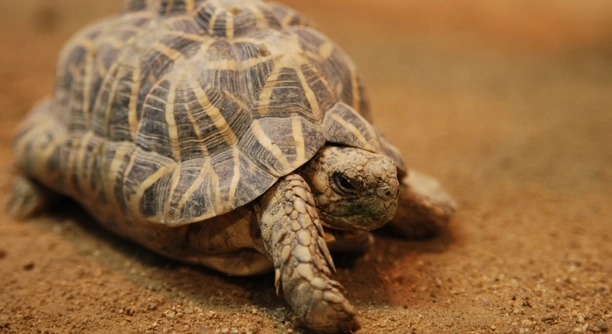
Are your Indian star tortoises living in a crowded enclosure? Overcrowding may seem harmless, but it can lead to stress, health issues, and even aggressive behavior among your tortoises. Providing the right space is essential for their well-being.
Overcrowding Indian star tortoise enclosures increases competition for food, limits movement, and raises the risk of disease transmission. It also creates an unhealthy environment that leads to stress, weakened immune systems, and reduced lifespan. Proper spacing is crucial for their overall health and happiness.
Understanding the dangers of overcrowding will help you create a safer, healthier home for your tortoises. Providing the right balance of space and resources ensures they thrive in a comfortable and stress-free environment.
Limited Space Causes Stress
Indian star tortoises need enough space to explore and feel secure. When too many are placed in a small enclosure, they become anxious and uncomfortable. They may struggle to find a quiet spot to rest, which can lead to constant stress. Stress affects their eating habits, making them eat less or avoid food altogether. Overcrowded enclosures also limit movement, which is essential for their physical health. A lack of space can weaken their muscles and make them less active. Tortoises rely on their surroundings for comfort, and when space is restricted, their overall well-being declines.
A stressed tortoise may become more withdrawn or display signs of irritability. It may hide more often or avoid interactions with other tortoises. These behavioral changes indicate that the enclosure is too cramped.
Providing ample space allows your tortoises to move freely, reducing stress and promoting a calm and relaxed environment. A peaceful enclosure supports their health and happiness.
Increased Risk of Illness
Overcrowding makes it easier for diseases to spread among tortoises. When too many share a small space, bacteria and parasites thrive, leading to infections and respiratory issues. A cramped environment creates unhygienic conditions, exposing tortoises to harmful germs.
Respiratory infections are common in overcrowded enclosures because stale air gets trapped. Poor ventilation increases moisture, making it easier for bacteria to grow. Tortoises with weakened immune systems are more likely to get sick, and once one tortoise becomes ill, others are at risk. Skin infections also develop in unclean environments, causing discomfort and slow healing.
A crowded space increases competition for food and water, making it harder for some tortoises to get proper nutrition. Malnourished tortoises have weaker immune systems, making them more susceptible to illness. Regular enclosure cleaning helps, but space is the key factor in keeping your tortoises healthy. By giving them enough room, you reduce disease risks and promote better hygiene.
Aggression and Injuries
Tortoises may seem peaceful, but overcrowding increases aggression. When space is limited, they compete for food, basking spots, and hiding places. This can lead to biting, shell ramming, and pushing, causing stress and potential injuries. Even minor injuries can become serious if left untreated.
Frequent fights can lead to deep scratches, broken scutes, or infections. Some tortoises may become dominant, preventing others from eating or accessing warmth. This imbalance affects their health, as weaker tortoises struggle to get the resources they need. Constant stress from aggression weakens the immune system, making them more prone to illness. Providing enough space prevents these conflicts and allows each tortoise to thrive.
A peaceful enclosure supports natural behaviors without unnecessary competition. When tortoises have their own space, they feel more secure and are less likely to engage in harmful interactions. A well-planned environment ensures they live safely together.
Poor Growth and Development
Young tortoises need enough space to grow properly. When overcrowded, they may not get enough food or UV exposure, which can slow their development. A lack of movement also weakens their muscles and bones, leading to long-term health problems. Growth deformities are common when space and nutrition are limited.
Restricted movement prevents proper muscle development, making them less active. Their shells may become uneven or soft due to poor nutrition and insufficient UVB lighting. Without enough calcium and vitamin D3, tortoises can develop metabolic bone disease, which leads to weak bones and difficulty moving. Proper spacing helps them access food and light equally.
Providing a spacious enclosure encourages natural activity, allowing tortoises to build strength. They need room to walk, climb, and explore. A well-balanced diet, combined with good lighting and enough space, ensures steady growth and strong development.
Limited Access to Resources
When too many tortoises share a space, food is not evenly distributed. Some may eat more while others struggle to get enough. Unequal access leads to malnutrition, causing slow growth and weakened immune systems. A well-spaced enclosure ensures every tortoise gets proper nutrition without competition.
Water sources also become limited in overcrowded enclosures. Tortoises need clean water for drinking and soaking, but a crowded space can lead to contamination. Dirty water increases the risk of infections and dehydration. Providing enough space prevents these issues, keeping each tortoise hydrated and healthy.
Difficulty in Temperature Regulation
Tortoises need warm and cool areas to regulate their body temperature. Overcrowding makes it difficult for each one to find the right spot. If too many gather in one area, some may overheat while others struggle to stay warm. Uneven temperature access affects their digestion, energy levels, and overall health.
Increased Waste Buildup
Too many tortoises in one space lead to faster waste accumulation. A dirty environment creates a breeding ground for bacteria and parasites, increasing the risk of infections. Frequent cleaning helps, but proper spacing reduces waste buildup, making it easier to maintain a healthy and sanitary enclosure.
FAQ
How much space does each Indian star tortoise need?
Each tortoise should have at least 10 square feet of space. Larger enclosures are always better, as they allow more natural movement. If housing multiple tortoises, increase the space to prevent overcrowding and ensure each one has access to food, water, and basking areas.
Can Indian star tortoises live in groups?
They can live together if given enough space, but overcrowding leads to stress and aggression. Some tortoises may dominate others, causing competition for resources. To prevent issues, provide a large enclosure with separate basking, hiding, and feeding areas for each tortoise.
What happens if an enclosure is too small?
A small enclosure restricts movement, leading to weak muscles and poor shell development. It also increases stress, promotes aggression, and raises the risk of disease due to unclean conditions. Lack of space can cause long-term health problems, affecting their overall lifespan.
How do I know if my tortoise is stressed from overcrowding?
Signs of stress include loss of appetite, excessive hiding, aggressive behavior, and reduced activity. If a tortoise frequently avoids other tortoises or struggles to access food and basking spots, the enclosure may be too crowded. Expanding their space can help relieve stress.
Does overcrowding affect shell growth?
Yes, overcrowding can lead to improper shell growth. Tortoises that struggle to get enough food or UVB exposure may develop soft, uneven, or misshapen shells. A spacious enclosure with proper lighting and nutrition ensures healthy shell development.
Can an overcrowded enclosure cause respiratory infections?
Yes, poor ventilation in a crowded enclosure increases humidity and bacteria buildup, leading to respiratory infections. Symptoms include wheezing, nasal discharge, and lethargy. Proper spacing and good air circulation help prevent these issues.
How often should I clean an enclosure with multiple tortoises?
Daily spot cleaning is necessary to remove waste and uneaten food. A full cleaning should be done weekly, including changing the substrate and disinfecting surfaces. More frequent cleaning may be needed if multiple tortoises are housed together to prevent waste buildup.
What is the best way to introduce new tortoises to an enclosure?
Introduce new tortoises slowly by placing them in a quarantine area for a few weeks to check for signs of illness. When adding them to the main enclosure, monitor interactions closely to prevent aggression. Providing extra space helps ease the transition.
Can overcrowding lead to dehydration?
Yes, overcrowding can limit access to clean water, leading to dehydration. Tortoises need fresh water daily for drinking and soaking. If too many share one water source, it can become dirty quickly. Providing multiple water stations prevents dehydration and maintains hygiene.
What is the ideal setup for an enclosure with multiple tortoises?
A spacious enclosure with separate basking, hiding, and feeding areas is ideal. Use multiple food and water dishes to prevent competition. Maintain proper temperature gradients and ensure good ventilation to support healthy living conditions for all tortoises.
How does overcrowding impact breeding behavior?
Overcrowding can cause stress, reducing the likelihood of successful breeding. Females may struggle to find suitable nesting areas, leading to egg retention. A spacious enclosure with designated nesting spots supports natural breeding behaviors and healthier offspring.
Should I separate sick tortoises from the group?
Yes, always separate sick tortoises to prevent the spread of illness. Keeping an infected tortoise in a separate enclosure allows for proper monitoring and treatment. Returning them to the group should only happen once they have fully recovered.
How can I tell if my tortoise enclosure is too crowded?
If tortoises frequently compete for food, water, or basking spots, or if there are signs of stress and aggression, the space may be too small. Expanding the enclosure and adding more resources helps improve their quality of life.
Final Thoughts
Providing enough space for Indian star tortoises is essential for their health and happiness. Overcrowding leads to stress, aggression, and a higher risk of disease. It limits movement, making it harder for them to develop strong muscles and maintain a healthy shell. When tortoises do not have enough room to explore, they become anxious and may struggle to eat, bask, or find shelter. A well-planned enclosure with separate areas for feeding, basking, and hiding ensures that each tortoise gets the care it needs. Keeping their environment spacious and clean helps prevent unnecessary health issues.
A crowded enclosure also increases competition for resources. Some tortoises may eat more while others struggle to get enough food. Unequal access to UVB light and basking spots can lead to shell deformities and metabolic bone disease. Poor air circulation in a cramped space can cause respiratory infections, making it harder for them to breathe and stay active. Waste also builds up faster, creating an unhealthy living environment. Regular cleaning helps, but the best way to maintain a healthy enclosure is to provide enough space from the start. A well-balanced environment promotes natural behaviors, reduces stress, and allows tortoises to thrive.
Caring for Indian star tortoises means understanding their needs and creating a safe, comfortable space. Giving them plenty of room allows them to move freely, bask in the warmth, and access fresh food and water without competition. When their enclosure is properly maintained, they are more likely to live long, healthy lives. Taking the time to plan their habitat prevents many common health problems and ensures they remain active and content. A spacious and well-managed enclosure is the key to keeping them healthy, stress-free, and able to enjoy their environment fully.

Hello,
If you enjoy the content that we create, please consider saying a "Thank You!" by leaving a tip.
Every little bit helps us continue crafting quality advice that supports the health, happiness, and well-being of pets around the world, for pets of all shapes, sizes, and species.
We really appreciate the kindness and support that you show us!