
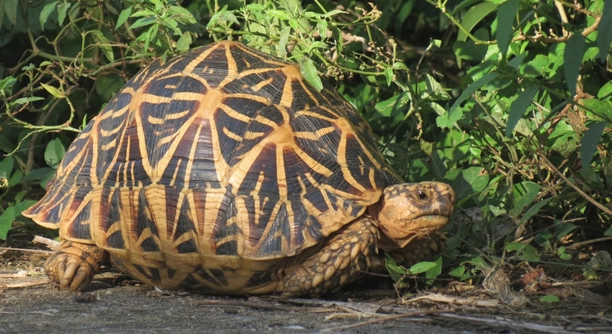
Indian star tortoises are popular pets with unique dietary needs. As with any exotic species, understanding what foods are safe for them is important to maintain their health and well-being. This article explores the safety of pineapple leaves for these tortoises.
While pineapple leaves are not toxic to Indian star tortoises, they are not recommended as a regular part of their diet. High fiber and certain compounds in the leaves may cause digestive issues, potentially harming your tortoise’s health.
Certain factors should be considered when feeding your tortoise, ensuring a balanced and safe diet.
Why Pineapple Leaves Are Not Ideal for Indian Star Tortoises
Pineapple leaves, while not directly harmful, contain high levels of fiber and compounds that may upset your tortoise’s digestive system. Their tough texture can be difficult to break down, leading to potential gastrointestinal issues. Regular consumption could result in discomfort, bloating, or even more serious health concerns. These leaves lack the essential nutrients that tortoises need in their diet. They do not offer the necessary vitamins, minerals, or hydration that your tortoise would typically obtain from more suitable food options. Introducing pineapple leaves into their meals too frequently can interfere with proper digestion.
It’s important to focus on providing a balanced diet consisting of leafy greens, vegetables, and occasional fruit. By offering a variety of food, your tortoise can get the nutrition it needs without the risks associated with improper feeding.
Feeding tortoises the right foods promotes long-term health. Avoiding pineapple leaves in their diet is a simple way to keep your pet happy and healthy.
Alternative Safe Foods for Indian Star Tortoises
When it comes to your Indian star tortoise’s diet, there are plenty of safer and more nutritious options. Leafy greens like dandelion, collard greens, and mustard greens offer essential vitamins and minerals. These greens are high in calcium, which is crucial for maintaining healthy shells and bones. You can also provide them with a variety of vegetables, including zucchini, bell peppers, and carrots. These vegetables support your tortoise’s health by providing hydration and important nutrients without the risk of digestive problems. Fresh fruit such as strawberries and papaya can be offered in moderation for a sweet treat.
A balanced diet should also include appropriate fiber sources, which help to maintain digestive health. Safe, high-fiber plants like hibiscus flowers and clover are a great addition. Just make sure the plants are pesticide-free, as these chemicals can pose risks to your tortoise’s health. Avoid foods that are too high in sugar or acidic content, as they may cause digestive upset. Ensuring variety and moderation will lead to a happier, healthier tortoise.
When feeding your tortoise, always ensure the food is free of pesticides and chemicals. Feeding them safe, nutritious foods provides the foundation for a long and healthy life.
Risks of Feeding Pineapple Leaves
Pineapple leaves are not toxic but may still cause digestive issues for tortoises. They are fibrous and tough, making them difficult to digest. Feeding your tortoise too many pineapple leaves can lead to bloating, discomfort, and possibly even more severe digestive problems.
The high fiber content in pineapple leaves can overload your tortoise’s digestive system, causing constipation or other digestive disorders. If consumed regularly, this can lead to imbalanced nutrition and possibly prevent your tortoise from absorbing other important nutrients. The tough leaves may also be difficult to chew, which increases the risk of choking. It is best to avoid these leaves and focus on foods that are easier to digest and nutritionally balanced.
Even though they’re not toxic, feeding pineapple leaves regularly can have long-term effects on your tortoise’s health. Their digestive systems aren’t built to handle such fibrous foods, and it’s important to ensure that your tortoise’s meals are varied and balanced.
How to Safely Introduce New Foods
When adding new foods to your tortoise’s diet, do so slowly and in small amounts. This gives their digestive system time to adjust. Always monitor your tortoise for any signs of discomfort or digestive upset, such as lack of appetite, diarrhea, or lethargy. Gradually increasing the new food allows you to gauge how well your tortoise tolerates it.
Be sure to introduce food in a way that encourages healthy digestion. When offering something new, provide it alongside familiar foods your tortoise is used to. This approach helps prevent shock to their system. It’s also essential to provide a variety of food sources so your tortoise gets all the necessary nutrients. Regularly changing their diet will help prevent them from becoming too reliant on one particular food, ensuring they receive the full range of nutrients they need.
Patience is key when adjusting your tortoise’s diet. A slow transition to new foods will help them thrive and prevent health problems in the long run. Keep track of any changes in behavior and consult a veterinarian if you have concerns.
Effects of High Fiber Intake
Excessive fiber intake can lead to digestive blockages in Indian star tortoises. While fiber is essential for their diet, too much can cause issues like constipation or bloating. It’s important to balance fiber with other nutrients to avoid health complications.
When tortoises consume too much fiber, it can prevent their digestive system from properly processing the food. This often results in slow digestion or no digestion at all, leading to a buildup of waste. A balanced diet is crucial to maintaining their digestive health and preventing discomfort.
Fiber is necessary for your tortoise’s diet but should be offered in moderation. Overloading them with fibrous foods like pineapple leaves can be harmful and affect their ability to absorb other important nutrients.
The Role of Calcium in Tortoise Diets
Calcium plays a vital role in shell and bone health for tortoises. Without it, they risk developing soft or malformed shells, which can lead to long-term health issues. Proper calcium intake is crucial for overall wellness.
Providing adequate calcium is essential for the growth and development of your tortoise’s shell. Foods rich in calcium like dark leafy greens, certain vegetables, and calcium supplements can help prevent deficiencies. Be mindful of offering calcium in the right amounts—too much can also cause problems.
A well-balanced diet that includes calcium-rich foods ensures a healthy shell and supports your tortoise’s skeletal development. Regular calcium intake is key to maintaining overall health, preventing deformities, and ensuring a strong shell.
Hydration Needs of Indian Star Tortoises
Hydration is essential for tortoises, as it aids in digestion and overall health. Offering fresh water regularly helps maintain their internal systems and supports healthy skin. Proper hydration can also aid in preventing kidney problems.
FAQ
Can Indian Star Tortoises eat pineapple leaves?
While pineapple leaves are not toxic, they should not be part of an Indian star tortoise’s regular diet. The leaves are tough and high in fiber, which can cause digestive issues. Overconsumption may lead to bloating, constipation, or discomfort. It’s safer to focus on more suitable, digestible foods like leafy greens and vegetables.
What is the best diet for Indian Star Tortoises?
A balanced diet for Indian star tortoises includes a variety of leafy greens, such as dandelion greens, collard greens, and mustard greens. These should be supplemented with vegetables like zucchini, carrots, and bell peppers. Occasional fruits, such as papaya and strawberries, can be offered in moderation.
How much should I feed my Indian Star Tortoise?
The amount you feed your Indian star tortoise depends on their age and size. Younger tortoises generally require more frequent meals, while adults can be fed once a day. As a guideline, offer food that fills about 80% of their feeding dish. Always provide fresh water daily.
Is it okay to feed Indian Star Tortoises fruits?
Fruits can be fed to Indian star tortoises but should be offered in moderation. Fruits like strawberries, melons, and papayas are good choices. They are high in natural sugars, so too much can upset their digestive system and lead to health problems.
Can Indian Star Tortoises eat flowers?
Yes, Indian star tortoises can eat certain flowers. Safe options include hibiscus, clover, and dandelion flowers. Ensure that the flowers are pesticide-free and free from any harmful chemicals. Avoid offering toxic flowers like lilies or chrysanthemums, which can be harmful to your tortoise.
Are there any foods that are toxic to Indian Star Tortoises?
Some foods are toxic to tortoises and should be avoided at all costs. These include avocado, onions, garlic, and rhubarb. Even small amounts of these foods can cause serious health issues like kidney damage, digestive problems, or even death. Always research new foods before offering them.
What vegetables can Indian Star Tortoises eat?
Indian star tortoises can eat various vegetables, including zucchini, bell peppers, carrots, and squash. These vegetables are packed with essential vitamins and hydration. Avoid feeding them vegetables like potatoes or tomatoes, as these can cause digestive upset. Always wash the vegetables thoroughly before feeding.
How often should I feed my Indian Star Tortoise?
The feeding frequency depends on the age and activity level of your tortoise. Juvenile tortoises require more frequent feedings, typically every day, while adults may need feeding every other day. It’s crucial to observe your tortoise’s eating habits and adjust feeding schedules accordingly.
Can Indian Star Tortoises eat weeds?
Weeds can be a good addition to your tortoise’s diet, as long as they are safe and pesticide-free. Weeds like clover, dandelion, and plantain can provide variety and nutrition. Make sure to properly identify the weed to avoid offering any harmful or toxic varieties.
Can I feed my Indian Star Tortoise lettuce?
Lettuce can be offered in small amounts, but it should not be a primary food source. Iceberg lettuce, in particular, lacks nutritional value and can lead to digestive issues. Stick to darker, more nutritious varieties like romaine or leaf lettuce when feeding your tortoise.
How do I know if my Indian Star Tortoise is overweight?
To determine if your tortoise is overweight, check for any signs of sluggishness, difficulty moving, or an unusually round shell. Overfeeding or offering high-fat foods can lead to weight gain. A proper diet, exercise, and careful monitoring will help maintain a healthy weight.
Can Indian Star Tortoises eat seeds?
Indian star tortoises can eat some seeds, but it’s important to be selective. Seeds from non-toxic fruits and vegetables, like melons or peppers, can be offered in moderation. Avoid offering seeds that are high in fat or seeds from potentially harmful plants.
Should I provide calcium supplements for my Indian Star Tortoise?
Yes, calcium supplements are essential, especially for young tortoises and females who are laying eggs. Calcium helps support shell and bone health. You can offer calcium powder on food or use cuttlebone for them to chew on. Always provide a balanced amount to avoid calcium excess.
Is it necessary to provide UVB lighting for Indian Star Tortoises?
Yes, UVB lighting is essential for Indian star tortoises. It helps them synthesize vitamin D3, which is necessary for calcium absorption and overall health. Without UVB light, your tortoise may develop metabolic bone disease. If they cannot access natural sunlight, invest in proper UVB lighting.
Can I feed my Indian Star Tortoise live insects?
Indian star tortoises are primarily herbivores and do not typically eat live insects. Their diet should be focused on plant-based foods. Some tortoises might occasionally nibble on insects or snails, but this should not be a regular part of their diet. Stick to plant-based foods for proper nutrition.
How can I tell if my Indian Star Tortoise is dehydrated?
Signs of dehydration in a tortoise include lethargy, dry or wrinkled skin, and a lack of appetite. Offering fresh water regularly is essential, as tortoises often do not drink enough on their own. Soaking your tortoise in shallow, warm water can help them rehydrate.
Do Indian Star Tortoises need a basking area?
Yes, Indian star tortoises require a basking area with a heat source to maintain proper body temperature. This helps them digest food and stay healthy. The basking spot should be between 90°F and 100°F (32°C to 38°C) to mimic natural conditions. Proper lighting and heating are essential for their care.
Final Thoughts
Feeding your Indian Star Tortoise requires careful attention to their diet. While pineapple leaves are not toxic, they can cause digestive issues and should be avoided. Instead, focus on a variety of safe, nutritious foods that align with their natural diet. Offering leafy greens, vegetables, and occasional fruits in moderation will keep your tortoise healthy. Avoid overfeeding and ensure that the food you provide is fresh and free of pesticides. A balanced diet, along with proper hydration, is key to maintaining a strong immune system and promoting overall well-being.
While it can be tempting to offer your tortoise a wider range of foods, it’s important to stick to what’s safe and beneficial for them. The right diet can prevent various health issues such as obesity, metabolic bone disease, and digestive problems. Additionally, UVB lighting and a proper basking spot are necessary for your tortoise’s shell and bone health. Make sure your tortoise has access to both, especially if they are kept indoors. Regular check-ups with a vet can also help identify any potential health concerns early on, ensuring a longer and healthier life for your tortoise.
By providing a consistent and balanced feeding routine, you are supporting your tortoise’s growth and development. Keep in mind that tortoises have specific dietary needs that differ from other pets. They thrive on a plant-based diet, and too much of any single food can lead to nutritional imbalances. Pay attention to their habits and adjust their food intake as needed. With careful planning and knowledge of their dietary preferences, you can ensure your Indian Star Tortoise stays happy, healthy, and well-fed for years to come.

Hello,
If you enjoy the content that we create, please consider saying a "Thank You!" by leaving a tip.
Every little bit helps us continue crafting quality advice that supports the health, happiness, and well-being of pets around the world, for pets of all shapes, sizes, and species.
We really appreciate the kindness and support that you show us!