
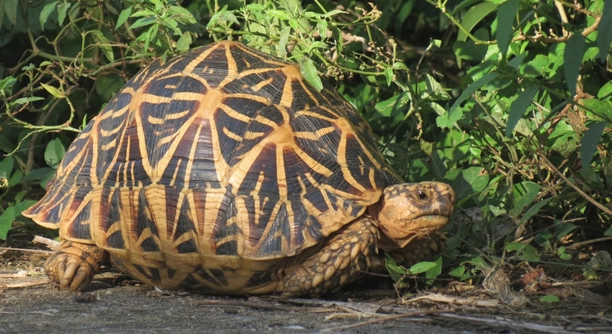
An Indian Star Tortoise lying under its lamp may seem unusual, but it’s often a sign of certain behavioral and environmental needs. Understanding these can help ensure the well-being of your pet.
The primary reason your Indian Star Tortoise stays under its lamp is to regulate its body temperature. Tortoises are cold-blooded animals and require a heat source to maintain their metabolism and overall health. Without proper warmth, they may appear lethargic.
Several factors can influence this behavior, including temperature, habitat setup, and your tortoise’s natural instincts. It’s important to ensure that these elements are appropriately adjusted for optimal care.
Understanding the Role of Temperature
A healthy tortoise relies on consistent warmth to thrive. If the environment is too cold, your Indian Star Tortoise may seek out the heat from its lamp to regulate its body temperature. Tortoises are ectothermic, meaning they depend on external heat sources to maintain the right internal temperature. If the lamp isn’t positioned correctly or the temperature isn’t stable, it could affect your tortoise’s behavior and energy levels. These reptiles need a warm basking spot to digest food and stay active. Without the proper heat, they may become inactive and spend more time under the lamp, even when they don’t need it.
While tortoises can tolerate brief changes in temperature, prolonged exposure to cold or excessive heat can cause stress and health problems. Regular checks on your tortoise’s habitat setup will help ensure a comfortable environment. Monitoring the temperature is crucial to keeping your pet healthy.
Heat sources, such as UV lamps, need to be adjusted based on the time of year and the specific needs of your tortoise. Proper lighting is also important, as it helps with vitamin D synthesis and encourages healthy shell growth.
Possible Stress Factors
Stress could also lead your tortoise to remain under the lamp more often. Environmental changes, handling, or loud noises may cause discomfort, prompting the tortoise to retreat to familiar, warm spaces for safety and comfort.
Tortoises are sensitive to their surroundings, and they will often choose the most secure, warm location available. Ensuring that the habitat remains calm and stable can reduce stress, allowing your tortoise to feel more at ease.
Proper Lighting Setup
A correct lighting setup is essential for your tortoise’s health. The basking lamp should provide both warmth and UVB light. UVB light helps your tortoise absorb calcium, preventing shell deformities and other health issues. Without proper UVB light, they may seek out the lamp more often, even if it’s not needed for heat.
Ensure that the lamp is placed at the right distance to provide the correct temperature. Too close or too far from the tortoise can lead to inadequate heat. The basking spot should be around 90°F, while the cooler side of the enclosure should stay around 75°F for a comfortable gradient.
You should also replace the UVB bulb regularly, as its effectiveness diminishes over time. UVB light is crucial for your tortoise’s well-being, and a lack of it could make your tortoise more dependent on the lamp.
Activity Levels
Your tortoise may be spending more time under the lamp because it’s not getting enough physical activity. Tortoises need space to roam and explore, which helps keep them healthy and active. If they are confined to a small enclosure, they may end up resting under the lamp more than they should.
To encourage movement, increase the size of your tortoise’s habitat. Provide hiding spots, different textures, and gentle obstacles for them to explore. These additions create an environment that allows for natural behaviors, reducing the likelihood of excessive basking.
Overheating
Overheating can also be an issue if the lamp is too strong or too close. Tortoises need a warm environment, but excessive heat can cause stress and dehydration. If the basking spot is too hot, your tortoise may retreat under the lamp to escape the heat but remain inactive.
Make sure to check the temperature regularly with a thermometer to avoid this problem. The basking area should be warm but not so hot that it causes discomfort. A range of 85°F to 90°F works well for most tortoises. This way, they can move to a cooler area if needed.
Humidity Levels
Humidity plays a significant role in the tortoise’s comfort. If the humidity is too low, your tortoise may seek warmth more often to feel secure. The air should be kept at moderate humidity levels, especially in dry environments.
A small misting system or a shallow water dish can help maintain proper moisture levels. Make sure the enclosure has proper ventilation to prevent the growth of harmful bacteria while still maintaining the right humidity. This helps ensure your tortoise remains comfortable and avoids spending excessive time under the lamp.
FAQ
Why does my tortoise spend so much time under the lamp?
Your tortoise spends time under the lamp primarily for heat. As cold-blooded animals, tortoises depend on external heat sources to regulate their body temperature. If the temperature in its habitat is too low or if the lamp is improperly placed, your tortoise may seek warmth from it more often. It could also be a sign of stress or inadequate space to move around.
Is it normal for my tortoise to lay under the lamp all day?
It’s not entirely normal for your tortoise to stay under the lamp all day. While they need heat to maintain their body temperature, constant basking may indicate problems such as overheating, stress, or lack of activity. Monitor the lamp’s position and temperature, and ensure your tortoise has a comfortable area to explore.
How do I know if my tortoise is too hot?
If your tortoise appears lethargic, is hiding frequently, or not eating well, it may be too hot. Excessive heat can cause dehydration, stress, and health issues. Ensure the basking area temperature is around 85°F to 90°F. A thermometer can help you check if it’s in the correct range.
Should I adjust the temperature if my tortoise is always under the lamp?
Yes, adjusting the temperature might help. Make sure the basking area is warm enough for your tortoise but not too hot. If it’s excessively hot, your tortoise might be trying to escape the heat but remain under the lamp. A range of 85°F to 90°F is ideal for most tortoises.
What happens if the lamp is too far from my tortoise?
If the lamp is too far from your tortoise, it won’t provide enough heat. This can cause your tortoise to remain under the lamp longer, struggling to regulate its body temperature. Ensure that the lamp is placed at the correct distance to provide proper warmth and UVB light.
Can I use a regular bulb for my tortoise’s lamp?
It’s not recommended to use a regular bulb. Tortoises need UVB light to help with calcium absorption and prevent shell deformities. Use a specialized UVB lamp designed for reptiles. It provides the right type of light needed for your tortoise’s health.
How can I make sure my tortoise’s habitat is comfortable?
Ensure your tortoise’s habitat has the right temperature gradient, humidity levels, and space to roam. The basking area should be warm, while the other side of the enclosure should be cooler. Make sure there’s enough space for your tortoise to move around comfortably, along with hiding spots for security.
Is it okay if my tortoise does not move much?
A lack of movement could be a sign of several issues, such as improper temperature, stress, or lack of stimulation. If your tortoise is not moving much, check the environment for temperature fluctuations, humidity, and lighting. You might also want to add obstacles or enrichment to encourage natural behavior.
Can the lamp damage my tortoise’s eyes?
Yes, if the UVB light is too intense or your tortoise is exposed to it for extended periods, it could cause eye damage. Ensure the lamp is positioned at the correct distance and that your tortoise has plenty of shade to avoid excessive exposure.
How can I tell if my tortoise is stressed?
Signs of stress include excessive hiding, lack of appetite, biting or nipping, and spending too much time in one spot. Stress can be caused by improper temperature, insufficient space, or changes in their environment. Make sure to maintain a consistent and calm habitat for your tortoise.
How often should I change the lightbulb in my tortoise’s lamp?
It’s essential to replace the UVB lightbulb every 6 to 12 months, depending on the manufacturer’s recommendations. UVB light loses effectiveness over time, and replacing it ensures that your tortoise gets the proper amount of exposure for vitamin D synthesis.
Can my tortoise live without a basking lamp?
A basking lamp is crucial for your tortoise’s health. Without it, they won’t be able to regulate their body temperature, which can lead to health issues like lethargy, poor digestion, and weak bones. Make sure to maintain a proper heat source in your tortoise’s habitat.
Should I mist my tortoise’s enclosure?
Misting can help maintain proper humidity levels, especially for tortoises that require more moisture. However, it should not be overdone. Too much humidity can cause respiratory issues or mold growth. Aim for moderate humidity and ensure proper ventilation.
How can I prevent my tortoise from spending too much time under the lamp?
Ensure your tortoise has a larger space to move around and explore. Add hiding spots, different textures, and obstacles to encourage physical activity. A healthy environment with temperature gradients and enough room will help prevent your tortoise from spending excessive time under the lamp.
Why does my tortoise act sluggish after basking?
Sluggishness after basking can be caused by overheating or a lack of proper cooling areas in the enclosure. Ensure the temperature is not too high and that your tortoise has access to cooler areas in its habitat. Dehydration could also be a factor, so offer fresh water regularly.
Can my tortoise get too much UVB light?
Yes, overexposure to UVB light can cause skin and eye damage. Ensure that the UVB light is positioned properly and is not on for too long. It’s also important to provide areas in the enclosure where your tortoise can move out of the light if needed.
What temperature should my tortoise’s basking area be?
The basking area should be around 85°F to 90°F. This is ideal for most tortoises, allowing them to regulate their body temperature while basking. You can adjust the temperature slightly depending on your tortoise’s specific species and needs, but avoid extremes in either direction.
Do I need a heat source during the night for my tortoise?
Most tortoises do not need heat during the night. They can tolerate cooler temperatures as long as they aren’t extreme. A drop in temperature at night simulates natural conditions. However, if your home gets very cold, a low-wattage heat source can be used to maintain a comfortable environment.
Final Thoughts
Understanding why your Indian Star Tortoise spends so much time under its lamp is crucial for ensuring its well-being. Tortoises need heat to regulate their body temperature, but too much time spent under the lamp can indicate other issues. It is important to create an environment that allows your tortoise to move freely between warmer and cooler areas. This balance helps maintain its overall health, as it needs a temperature gradient to stay active and digest food properly. By ensuring proper heat sources and giving your tortoise enough space, you create a habitat where it can thrive.
Monitoring your tortoise’s behavior and environment is the key to preventing problems. If it remains under the lamp for extended periods, check the heat levels to ensure they are not too high or too low. Look for signs of stress, dehydration, or discomfort, which can also result from improper lighting, too little space, or an unsuitable temperature. In cases where your tortoise is not moving much or showing signs of lethargy, consider adjusting the habitat and seeking advice from a vet if necessary. Small adjustments to its environment can often make a big difference in its overall health and activity levels.
Ultimately, your Indian Star Tortoise’s behavior is a reflection of the habitat you’ve created. A suitable environment with proper lighting, heat, and space will allow it to remain active, healthy, and comfortable. It’s essential to keep track of the temperature and humidity, ensure access to UVB light, and provide areas for both basking and resting. With these considerations in mind, your tortoise will be able to enjoy a long, healthy life while staying active and content in its home.

Hello,
If you enjoy the content that we create, please consider saying a "Thank You!" by leaving a tip.
Every little bit helps us continue crafting quality advice that supports the health, happiness, and well-being of pets around the world, for pets of all shapes, sizes, and species.
We really appreciate the kindness and support that you show us!