
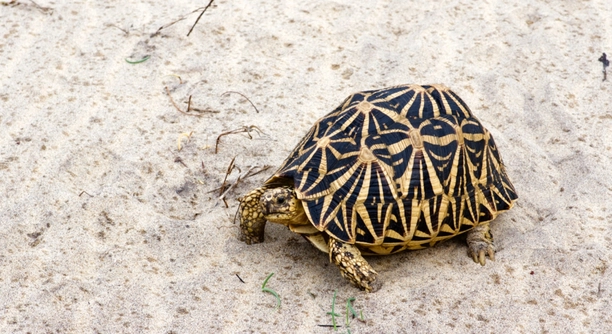
When caring for Indian Star Tortoise hatchlings, knowing how to identify a healthy one is crucial. Understanding key signs of good health will help you ensure your hatchling thrives and grows strong.
To identify a healthy Indian Star Tortoise hatchling, observe its activity level, shell appearance, and behavior. A healthy hatchling will be active, have a smooth, shiny shell, and show signs of curiosity in its environment.
Knowing how to spot a healthy hatchling is essential for providing the best care. Let’s look at the key traits you should watch for to ensure your tortoise is growing well.
Activity Level and Alertness
A healthy Indian Star Tortoise hatchling should be alert and active. If your hatchling is sluggish or seems uninterested in its surroundings, it could be a sign that something is wrong. A lack of movement can indicate stress, illness, or improper care conditions. New hatchlings may take a little time to adjust to their environment, but they should soon begin to explore their enclosure, moving around and showing interest in food.
If you notice your hatchling resting excessively or hiding in a corner without moving, it could signal a problem. Make sure your hatchling is provided with the right temperature and humidity levels. Keep a consistent environment with proper lighting, and if the behavior persists, consider consulting a vet.
Hatchlings are naturally curious, and this trait is often a good indicator of their health. Ensure your tortoise has enough space and stimulation to move around freely. Their activity levels are directly linked to their comfort and well-being, so don’t overlook any changes in their behavior.
Shell Appearance and Condition
A healthy Indian Star Tortoise will have a smooth, shiny shell. This glossy shell reflects good health and proper care. If you notice any cracks, dullness, or scarring, it could be a sign of dehydration or other health issues. Always check for soft spots or areas that seem unusually weak.
A strong, hard shell is crucial for the protection of a tortoise. Its development depends on a proper diet rich in calcium and vitamin D3, along with appropriate UVB lighting. A poor shell can lead to long-term health problems and could indicate improper diet or housing.
Another important factor to check is the smoothness of the scutes, or the plate-like scales on the shell. They should be evenly spaced, without any noticeable bulging or deformities. Shell condition is an easy indicator of the overall health of a tortoise. If there are concerns, addressing the cause quickly will help prevent further damage.
Behavior and Feeding Habits
A healthy Indian Star Tortoise hatchling will have a good appetite and show interest in food. If your hatchling refuses to eat for extended periods, this could signal a problem. They are usually eager eaters and should not be overly fussy about food.
Pay attention to the types of food offered. A balanced diet is key to growth and health, so make sure to include fresh greens, vegetables, and occasional fruits. You may notice your hatchling moving towards food as soon as it’s presented, and this eagerness is a good sign. If food is ignored for several days, it may indicate stress or an underlying health concern.
Changes in feeding habits can be linked to environmental stress, such as improper temperature or humidity. Ensure that their habitat conditions are optimal to maintain a good appetite. Additionally, some hatchlings may be picky at first, but a healthy tortoise will eventually adapt to a regular feeding routine.
Weight and Size Growth
Monitoring weight and size is crucial for identifying a healthy hatchling. Your tortoise should be steadily growing, and any sudden weight loss or failure to grow can indicate an issue with diet or health. Regular checks will help ensure proper development.
A healthy hatchling typically gains weight each week as it grows. If your tortoise isn’t gaining weight or appears smaller than expected for its age, it might not be eating enough or could be suffering from illness. Growth should be gradual, and a sudden decrease in weight can be alarming. Make sure to weigh your hatchling every few weeks to keep track.
Growth can also be affected by environmental factors. An inadequate basking area, poor lighting, or an incorrect temperature range can stunt growth. The hatchling needs both UVB light for vitamin D3 production and proper heat to metabolize food effectively. If your tortoise is not growing at the expected rate, consider reviewing its care routine to ensure it’s getting what it needs.
Eyes and Nasal Discharge
Healthy Indian Star Tortoise hatchlings will have clear, bright eyes. Any cloudiness, swelling, or discharge could indicate an infection or illness. Check for watery eyes or mucus around the nose, which are often signs of respiratory issues.
If you notice any crust or mucus around the nose or eyes, it’s important to monitor closely. Such symptoms can be caused by improper humidity levels or bacterial infections. Seek veterinary care if the condition persists or worsens, as respiratory infections can be serious for tortoises. Cleanliness in their enclosure can also help prevent such issues.
Skin Condition
The skin of a healthy hatchling should be smooth and free of sores or lesions. Dry, flaky skin or visible wounds might indicate dehydration, malnutrition, or skin infections.
Hatchlings naturally shed their skin as they grow, but this should not result in excessive dryness or peeling. If the skin appears dry or the tortoise is constantly rubbing itself against objects, it could be a sign that humidity levels are too low. Regular bathing and a proper habitat will help maintain healthy skin and prevent these issues.
FAQ
What should I feed my Indian Star Tortoise hatchling?
Indian Star Tortoise hatchlings require a varied diet that consists of leafy greens like dandelion greens, collard greens, and kale, as well as vegetables such as carrots and squash. Occasionally, you can offer fruits like apples and strawberries, but these should only be given in moderation due to their sugar content. It’s important to provide a diet rich in calcium and fiber to support shell development and overall health. Fresh, clean water should always be available, and you should avoid feeding them foods that are too high in protein or fatty.
How can I maintain the proper temperature for my tortoise?
Maintaining the right temperature is crucial for your hatchling’s health. The basking spot should be around 95°F (35°C), while the cooler side of the enclosure should be between 75°F to 85°F (24°C-29°C). This temperature gradient allows your tortoise to regulate its body temperature by moving between warm and cool areas. Use a reliable thermometer to monitor these temperatures, and make sure the basking light or heat source provides the necessary heat during the day. At night, temperatures can drop slightly, but they should not go below 70°F (21°C).
What type of enclosure is best for a hatchling?
For a hatchling, a spacious, secure enclosure is key to their well-being. A glass tank or plastic storage bin can work, but it should be large enough to allow for movement and exercise. The enclosure should have a dry side and a humid side to ensure they can self-regulate their environment. Ensure there’s enough room for a basking spot, a hiding area, and space for them to move around. It should also have proper ventilation and be easy to clean to prevent health problems.
How often should I clean my tortoise’s enclosure?
It’s essential to clean the enclosure regularly to keep your hatchling healthy. Spot-clean the tank daily by removing uneaten food and waste. A full cleaning of the enclosure should be done once a week, where you wash all surfaces, replace bedding, and disinfect the tank. This helps to avoid the buildup of bacteria or fungi, which can lead to health problems. Make sure to use non-toxic cleaning supplies that are safe for reptiles.
How much should an Indian Star Tortoise hatchling grow each month?
A healthy Indian Star Tortoise hatchling should grow steadily over time. Typically, they will grow about 1 inch in length per month during their first year, though growth can vary based on diet, temperature, and overall care. Monitor their weight regularly, and make sure they are eating enough to sustain healthy growth. If you notice a sudden halt or decrease in growth, it could signal a health issue or improper care, so it’s important to check their diet and environment.
Can I keep my Indian Star Tortoise with other reptiles?
While it may be tempting to keep multiple reptiles together, it’s generally not recommended to house your Indian Star Tortoise with other species. Tortoises can be territorial and may become stressed if placed with other animals. Additionally, different reptiles have varying environmental needs, making it difficult to maintain the correct temperature and humidity levels for all species. It’s usually best to keep your tortoise alone, unless you’re keeping them with other Indian Star Tortoises that are similar in size and age.
How do I know if my tortoise is dehydrated?
Dehydration in tortoises can be tricky to spot, but there are some signs to watch for. If your hatchling seems lethargic, has a dry or cracked nose, or shows signs of sunken eyes, dehydration could be the cause. Offering a shallow bath with warm water for 15-20 minutes can help hydrate your tortoise. Always make sure they have access to clean water, and if dehydration persists, it’s important to consult a veterinarian for further treatment.
What kind of lighting does my tortoise need?
Indian Star Tortoises require both UVB lighting and heat for optimal health. UVB light helps them produce vitamin D3, which is necessary for calcium absorption and shell development. Without UVB light, they are prone to metabolic bone disease and other health issues. The light should be on for about 10-12 hours a day, mimicking natural sunlight. Make sure to place the UVB bulb at an appropriate distance from your tortoise, as it can lose its effectiveness over time.
Can I let my Indian Star Tortoise roam outside?
Yes, you can let your tortoise roam outside, but only if the weather is warm and there is a secure area for them to roam. Always supervise them when outside to prevent escape or injury. Be sure the area is free of predators or hazards like pesticides. If you live in a warm climate, outdoor time can provide them with natural sunlight, which is essential for their health. However, outdoor time should be limited during extreme weather conditions, and the area should be well-maintained to ensure their safety.
What should I do if my tortoise isn’t eating?
If your Indian Star Tortoise isn’t eating, first check the environmental conditions. Ensure the temperature and humidity are at proper levels, as changes in these factors can affect appetite. Stress, changes in their routine, or new surroundings can also cause a decrease in appetite. If the problem persists, check for any signs of illness, such as discharge from the eyes or nose, lethargy, or a swollen shell. If your hatchling continues to refuse food, it’s best to consult a reptile veterinarian.
Final Thoughts
Caring for an Indian Star Tortoise hatchling requires attention to detail and consistency. It’s essential to provide the right environment, including the correct temperature, humidity, and proper lighting, to ensure your tortoise stays healthy. Monitoring their behavior, shell, eyes, and feeding habits will help you identify any issues early. By maintaining a proper diet and keeping the enclosure clean, you can give your hatchling the best chance for healthy growth.
Regular checks on your hatchling’s weight, size, and activity levels are key indicators of its overall health. Growth should be steady, and any signs of illness, such as refusal to eat, lethargy, or abnormal shell conditions, should not be ignored. Paying attention to these signs and acting quickly can prevent more serious health issues down the road. Additionally, making sure your tortoise has a clean, safe, and comfortable space to live in will contribute greatly to its well-being.
Taking the time to understand your hatchling’s needs and creating a suitable environment is essential for its long-term health. Be patient and observe their habits closely. While the responsibility may seem overwhelming at times, providing the right care will help ensure your Indian Star Tortoise thrives and enjoys a long, healthy life. If you ever have doubts about your tortoise’s health, it’s always a good idea to seek guidance from a vet to address concerns.

Hello,
If you enjoy the content that we create, please consider saying a "Thank You!" by leaving a tip.
Every little bit helps us continue crafting quality advice that supports the health, happiness, and well-being of pets around the world, for pets of all shapes, sizes, and species.
We really appreciate the kindness and support that you show us!