
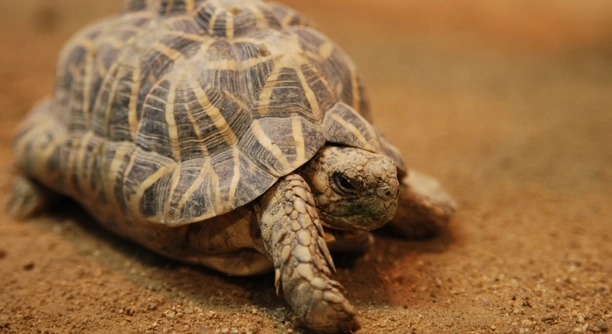
Proper ventilation in an Indian star tortoise’s tank plays a significant role in their overall well-being. Many tank setups overlook this important factor, leading to health problems that could easily be prevented.
Adequate ventilation ensures proper airflow and humidity control, preventing respiratory issues and promoting a comfortable environment for the tortoise. Without it, stale air and excess moisture can lead to harmful bacterial growth, negatively impacting their health.
Maintaining the right ventilation system will help prevent these common issues and improve your tortoise’s habitat for better long-term health.
Importance of Proper Airflow
When setting up a tank for your Indian star tortoise, ensuring good airflow is essential. Stagnant air in the tank can trap harmful gases, moisture, and heat, which can lead to respiratory infections and other health issues. Proper ventilation helps in balancing humidity levels and temperature, which are critical for your tortoise’s comfort and growth. Installing a ventilation system like a simple mesh screen or small vents can be an easy way to promote airflow. Without these measures, conditions like mold growth or a damp, stuffy environment may become prevalent, which is unhealthy for your tortoise.
Airflow plays a big role in maintaining an environment that is not too hot or humid. Excess moisture can be harmful, so be sure to monitor the tank’s temperature and humidity levels.
Keeping these factors in check ensures your tortoise remains healthy and free from the complications associated with poor air quality. Regular checks and small adjustments to the tank setup can go a long way in promoting your tortoise’s health.
Risks of Poor Ventilation
Without proper airflow, your tortoise could suffer from respiratory issues and skin infections. These conditions are often linked to environments that are too humid or lack sufficient air circulation.
Improper ventilation also encourages the growth of harmful bacteria, which thrive in damp, still conditions. When the tank is sealed too tightly, the lack of fresh air combined with moisture can create a breeding ground for pathogens. These bacteria can affect the tortoise’s skin and respiratory system, leading to severe health complications. Additionally, without enough ventilation, waste from the tortoise can also build up, making the air inside the tank less breathable. A clean, dry environment, made possible by proper airflow, ensures your tortoise stays in good health.
Temperature Regulation
Without proper ventilation, temperature regulation becomes difficult. Poor airflow traps heat, which can cause the tank to become too hot. Indian star tortoises are sensitive to extreme temperatures, and without airflow, their tank can reach unsafe levels.
To prevent overheating, ensure there are small vents or mesh screens to allow heat to escape. Use a thermometer to monitor the tank’s temperature. Ideal temperatures for these tortoises range from 75°F to 90°F, depending on the time of day. Proper ventilation helps maintain consistent temperature levels, which is crucial for your tortoise’s health. Overheating can stress the tortoise, lowering its immune system and making it more vulnerable to illnesses.
Regularly check the tank to ensure that it stays within the optimal temperature range. If the tank gets too warm, adjust the ventilation or use a fan to cool it down. If the air circulation is lacking, even the best heating system won’t be effective.
Humidity Control
Humidity is another critical factor for your tortoise’s environment. Too much moisture can lead to skin and shell issues, while too little can cause dehydration. Proper ventilation helps manage humidity levels by allowing moisture to escape.
Consider installing a humidity gauge to keep track of the moisture in the tank. Humidity should stay between 50% and 70% for Indian star tortoises. Without ventilation, excess moisture will accumulate, leading to mold and fungal growth that can affect the tortoise’s health. It’s crucial to balance humidity and temperature, as too much moisture combined with heat can create a perfect environment for harmful bacteria.
Additionally, ensure that the tank has adequate space for your tortoise to move around. Restricted movement in a humid environment can lead to stress and discomfort, which could weaken the tortoise’s immune system. Adjusting the ventilation as needed will help keep both temperature and humidity at ideal levels.
Preventing Mold Growth
A poorly ventilated tank encourages mold and mildew growth. Mold thrives in damp, stagnant conditions, and it can spread quickly in a closed environment. This not only affects the tank’s appearance but can harm your tortoise’s health.
Mold can cause respiratory problems, skin irritation, and infections in tortoises. Regular ventilation reduces the chance of mold by allowing air to circulate and remove excess moisture. Ensuring your tank is well-ventilated also makes it easier to clean and prevent mold build-up. Small mesh screens or vents can work wonders in maintaining airflow.
Healthier Tank Conditions
With proper ventilation, the overall health of your tortoise’s tank improves. Fresh air circulates throughout the enclosure, making it less likely for harmful bacteria to thrive. Additionally, waste buildup from the tortoise will not linger in a well-ventilated tank, reducing the risk of contamination.
A clean tank, with the right air circulation, creates a more comfortable environment for your tortoise. Without proper airflow, the air can become stagnant, and any waste or uneaten food can cause issues, attracting bacteria and pests. Regular ventilation keeps the tank fresh, minimizing these risks and ensuring a healthier habitat.
Easy Maintenance
Maintaining proper ventilation in the tank helps with upkeep. Regularly checking air flow, cleaning vents, and ensuring there are no blockages reduces the overall maintenance work. This simple habit can prevent larger issues from forming down the line.
FAQ
What are the signs that my Indian star tortoise’s tank needs better ventilation?
If the tank feels stuffy or the temperature is hard to regulate, that’s a clear sign of poor ventilation. You might also notice increased humidity or condensation on the walls of the tank. If your tortoise appears sluggish or has breathing difficulties, it could be struggling due to lack of airflow. Mold or mildew growth inside the tank is another strong indicator that ventilation is insufficient. These issues can lead to health problems for your tortoise, so improving airflow should be a priority.
How can I improve ventilation in my tortoise’s tank?
There are several ways to improve ventilation in a tortoise tank. First, make sure the tank is not overly sealed; some tanks have vents or screens built into the lid. If yours doesn’t, consider adding a mesh screen or small air holes to allow fresh air in. Position the tank in a well-ventilated area, avoiding corners where airflow is limited. You can also use a fan or a small air pump designed for terrariums to keep the air circulating. Regularly cleaning the ventilation areas and removing any blockages is important to keep airflow consistent.
How do I monitor the humidity and temperature levels in the tank?
To monitor the humidity, use a hygrometer. This tool measures the moisture in the air and will help you maintain the right balance. The ideal humidity level for an Indian star tortoise is between 50-70%. For temperature, a thermometer is needed. Keep the tank between 75°F and 90°F. Check both daily to ensure that the levels remain stable. Proper airflow helps maintain these levels naturally, but you may need to adjust heating or misting if the environment goes outside the desired range.
Can poor ventilation lead to respiratory problems in my tortoise?
Yes, poor ventilation can lead to respiratory issues. When air is stagnant, it can cause bacteria and mold to grow, which are harmful to your tortoise’s health. The lack of fresh air can lead to an increase in humidity, which in turn makes it easier for respiratory infections to develop. Signs of respiratory distress in your tortoise might include wheezing, nasal discharge, or difficulty breathing. If you notice any of these symptoms, improving ventilation immediately is crucial, and a vet should be consulted for proper treatment.
Is it safe to use a fan in the tank for better airflow?
Using a fan can be a good way to improve airflow, but it’s important to use it carefully. A small fan placed outside the tank, aimed at the tank’s ventilation holes, can help circulate air without disturbing your tortoise. Make sure the fan is not blowing directly on your tortoise, as sudden drafts or extreme changes in temperature could stress them. Also, ensure that the fan does not blow moisture out of the tank or cause the environment to become too dry.
What kind of ventilation system works best for an Indian star tortoise tank?
The best ventilation system for an Indian star tortoise tank includes a combination of passive and active airflow. Passive airflow can be achieved with small holes or mesh screens in the lid and sides of the tank. Active airflow, such as using a fan, helps ensure that air keeps circulating. The key is not to overdo it; the tank should still be able to maintain humidity without excessive drying. A mesh lid or screen on the top of the tank, along with proper air flow from the sides, is usually sufficient.
How often should I clean the ventilation areas?
It’s important to clean the ventilation areas regularly, as dust and debris can clog the vents and reduce airflow. Cleaning the vents once a week is a good habit, especially if the tank is in a humid environment. If you notice any mold or mildew forming around the vents, clean them immediately with a gentle soap and water solution. Be sure to dry the vents thoroughly after cleaning to prevent any water accumulation. Regular maintenance helps keep the air flowing freely and reduces the risk of contamination.
Can I use glass tanks for my Indian star tortoise?
Glass tanks can be used for Indian star tortoises, but they require proper ventilation to ensure air circulation. Glass tanks are often sealed, which makes them prone to poor airflow. If you use a glass tank, make sure to incorporate mesh screens or air holes to allow for ventilation. Keep the tank in a location where natural air circulation can help, and monitor humidity and temperature carefully. While glass tanks are aesthetically pleasing, they require more attention to ensure a healthy environment for your tortoise.
What is the ideal tank size for an Indian star tortoise?
The ideal size for an Indian star tortoise tank depends on the age and size of the tortoise. As a general rule, the tank should be at least 4 feet long for an adult tortoise, giving it enough space to move around comfortably. Young tortoises can be housed in smaller tanks, but they should be upgraded as they grow. Regardless of size, make sure that the tank is well-ventilated and offers a proper balance of heat and humidity. A larger tank may require more frequent ventilation checks to ensure the environment remains stable.
Is it necessary to have a humidity gauge in the tank?
Yes, a humidity gauge is very helpful for maintaining the right conditions for your tortoise. Without a gauge, it can be hard to know if the humidity is too high or too low. This tool will help you keep the humidity between 50-70%, which is essential for your tortoise’s health. Too much humidity can lead to fungal infections, while too little can cause dehydration. Monitoring humidity levels is just as important as regulating temperature, so having a gauge is highly recommended.
Final Thoughts
Proper ventilation is crucial for maintaining a healthy environment for your Indian star tortoise. Without adequate airflow, the tank can become too humid, causing mold and bacteria to grow, which can lead to health problems. Tortoises, like all reptiles, thrive in environments that mimic their natural habitats. Ensuring they have the right amount of air circulation is a simple yet essential step in creating a comfortable and safe home. Whether you use mesh screens, air holes, or a fan, regular airflow is key to preventing the buildup of harmful substances inside the tank.
Keeping the tank’s humidity and temperature balanced is another important aspect of ventilation. Without fresh air, humidity levels can quickly rise, creating a damp environment that can negatively impact your tortoise. This imbalance can lead to respiratory issues or skin problems. Monitoring temperature and humidity is necessary to keep the tank’s conditions within the recommended ranges. Even minor changes in airflow can affect these factors, so it’s important to regularly check and maintain the tank’s ventilation. A consistent environment will ensure that your tortoise stays healthy and active.
In the end, a small investment in proper ventilation can make a big difference in your tortoise’s well-being. It may seem like a minor detail, but the air quality in the tank plays a significant role in your pet’s health. Regularly cleaning the vents, using a thermometer and hygrometer, and ensuring the tank has airflow are easy steps to prevent potential issues. Your tortoise deserves the best, and proper ventilation is one of the simplest ways to keep them happy and healthy.

Hello,
If you enjoy the content that we create, please consider saying a "Thank You!" by leaving a tip.
Every little bit helps us continue crafting quality advice that supports the health, happiness, and well-being of pets around the world, for pets of all shapes, sizes, and species.
We really appreciate the kindness and support that you show us!