
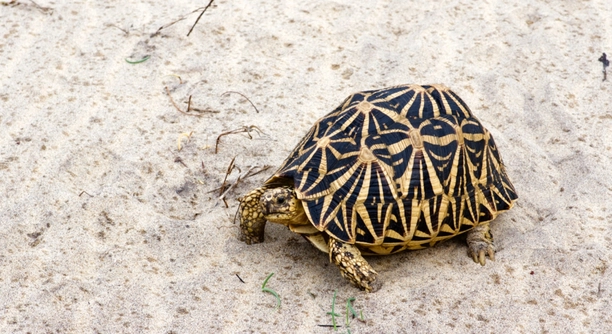
If you’ve noticed that your Indian Star Tortoise refuses to stay in its basking area, you’re not alone. Many tortoise owners face this challenge, and it can be concerning to see your pet avoid an essential part of its habitat.
The most common reasons for your tortoise’s refusal to stay in its basking area include improper temperature, lighting, or stress. A lack of comfort in the environment can make your tortoise hesitant to stay in that spot for too long.
Finding the right environment for your tortoise can make a big difference in its behavior. Adjusting factors like heat and lighting may help keep your tortoise comfortable in its basking area.
Temperature and Lighting Issues
Your Indian Star Tortoise depends on its basking area to regulate its body temperature. If the temperature is too high or too low, it may avoid spending time there. The basking spot should ideally be between 90-100°F (32-38°C) to ensure your tortoise can soak up the heat it needs. Too much heat can lead to discomfort, while insufficient warmth can result in your pet staying away.
When setting up the basking area, make sure it is properly lit as well. UVB light is essential for your tortoise’s health, as it helps with calcium absorption. If your tortoise feels there isn’t enough heat or light, it may prefer hiding in cooler, darker areas instead.
To maintain proper temperature and lighting, use a reliable thermometer and UVB lamp in the basking zone. Adjusting these elements could make a noticeable difference in encouraging your tortoise to stay where it should. Monitoring its behavior closely will help you identify any discomfort caused by environmental factors.
Stress and Anxiety
Stress can also play a significant role in why your tortoise avoids its basking area. If there’s too much noise, movement, or activity around its enclosure, your tortoise might feel unsafe and decide to stay in a more secluded space.
A peaceful and calm environment is vital for your tortoise’s well-being. Try to avoid disturbing it too often and ensure the area around its habitat is quiet and stable. Keep any other pets or loud noises at a distance. If your tortoise feels threatened or stressed, it’s less likely to bask properly, which could lead to health issues in the long term.
It’s also worth checking if your tortoise has enough space to roam around comfortably. Overcrowding or lack of hiding places can cause stress, making it avoid areas like the basking spot. Adjusting your tortoise’s living conditions to suit its natural behaviors can help relieve anxiety and encourage more time in the basking area.
Inadequate Habitat Size
If the enclosure is too small, your tortoise may not feel comfortable staying in one area for long. Tortoises need enough space to roam around, explore, and find spots to cool off or warm up. A cramped environment can make them feel trapped, leading them to avoid their basking zone altogether.
When setting up your tortoise’s enclosure, ensure there’s enough room for it to move freely between different temperature zones. A larger habitat encourages natural behaviors and reduces stress. This way, your tortoise can comfortably bask in the warmth when it wants to, but also retreat to cooler areas as needed.
To give your tortoise the best chance at thriving, aim for a minimum of 40 gallons of space per adult tortoise. Adjust the size of the basking spot accordingly. A spacious environment will allow your tortoise to choose where it wants to be, making it more likely to stay in the basking area when it’s needed.
Poor Food and Hydration
Your tortoise’s diet plays a role in its overall well-being and willingness to bask. If your tortoise is dehydrated or not getting the right nutrients, it may feel lethargic or disoriented. This can lead to it avoiding areas it would normally enjoy, like its basking spot.
Make sure your tortoise has access to fresh, clean water at all times. A balanced diet, including leafy greens, hay, and occasional fruits, is also essential. A well-hydrated tortoise with a healthy diet will feel more energized and comfortable in its basking area.
Additionally, avoid feeding your tortoise right before it’s time for basking. A full stomach may make your tortoise less inclined to stay in a warm spot. Wait until your pet has digested its food, so it’s more likely to use the basking area for its full benefit.
Basking Area Design
The design of the basking area is crucial in determining whether your tortoise will stay there. If it’s not comfortable or easily accessible, your tortoise will avoid it. Ensure the basking platform has a smooth surface and is placed in a spot where your tortoise can easily climb to it.
Adding natural elements, like rocks or wood, can also help create a more inviting basking space. Tortoises enjoy climbing and exploring, so a varied basking area will encourage them to use it. Avoid sharp or rough surfaces that could cause injury, as comfort is key.
Substrate Choice
The type of substrate used in the enclosure can affect your tortoise’s behavior. If the substrate is too damp or too dry, it could make your tortoise uncomfortable and reluctant to spend time in the basking area. Ensure the substrate in this area is dry and easy to clean.
Choosing a proper substrate is vital for maintaining both comfort and cleanliness in your tortoise’s environment. A dry, non-toxic material such as coconut coir or a sand-and-soil mix works well. Keeping the area clean will help your tortoise feel safe and more likely to bask without issue.
FAQ
Why is my Indian Star Tortoise not basking?
There are several reasons your tortoise may avoid basking. The temperature in the basking area may not be optimal, or the lighting might not provide enough UVB. It could also be stressed from a noisy environment or uncomfortable living conditions. Make sure the basking area is warm enough, with proper UVB lighting, and that the enclosure is a peaceful space. If the habitat is too small or the substrate is unsuitable, your tortoise might choose to hide rather than bask.
Can I move the basking area to a different location?
Yes, you can move the basking area if you feel the current spot isn’t working. Just be sure the new location still provides proper heat and lighting. The basking spot should be in a place where it gets consistent warmth and UVB light, as well as easy access for your tortoise. Moving it to a more secluded or calm spot might reduce stress and encourage your tortoise to use it more often.
How can I tell if the temperature is right in the basking area?
To check if the temperature is right, use a reliable thermometer. The basking area should be between 90-100°F (32-38°C). If it’s too hot, your tortoise may avoid it; if it’s too cold, your tortoise won’t be able to absorb the warmth it needs. Adjust the heat source to maintain a steady, ideal temperature.
Is it okay to have a heating pad under the basking area?
A heating pad can be useful for providing warmth, but it’s important to make sure it doesn’t overheat the area. Heating pads may not be as effective for maintaining consistent warmth as overhead lamps. They can be used as a supplement, but make sure the temperature is still in the recommended range and that your tortoise can move to cooler spots.
What should I do if my tortoise refuses to bask altogether?
If your tortoise refuses to bask entirely, check for possible issues like incorrect temperature, lighting, or stress. Ensure the basking area is suitable, with proper heat and UVB light. If everything seems correct, your tortoise may be feeling unwell or stressed, and it might be a good idea to consult a veterinarian.
How long should my tortoise bask each day?
Generally, your tortoise should bask for 3-4 hours each day. This time allows your tortoise to absorb enough heat and UVB light for optimal health. However, the duration can vary depending on your tortoise’s age, species, and health. Make sure the basking spot is available for as long as your tortoise needs it.
Can I use a heat lamp for basking?
Yes, heat lamps are a common choice for providing warmth in a basking area. It’s best to use a lamp that emits both heat and UVB light, ensuring your tortoise gets the necessary exposure for calcium absorption. Make sure the lamp is not too close to the basking spot to avoid overheating.
What if my tortoise is basking but still looks unhealthy?
If your tortoise is basking but appears unhealthy, there could be underlying health issues. Ensure it has access to a balanced diet and sufficient hydration. Check that the basking area is the right temperature and lighting. If it still looks unwell, consult a vet to rule out diseases or other conditions.
How do I create a more comfortable basking area for my tortoise?
To create a more comfortable basking area, make sure it’s spacious, clean, and well-lit. Add natural elements like rocks or logs for your tortoise to climb on, ensuring they can easily access the warm spot. Also, provide a cool area for your tortoise to retreat to when it gets too warm.
How often should I change the substrate in the basking area?
The substrate in the basking area should be cleaned regularly to avoid bacteria buildup. Replace the substrate when it starts to look soiled, typically every few weeks. A clean environment will help your tortoise feel more comfortable and encourage it to spend time basking.
Can stress affect my tortoise’s basking behavior?
Yes, stress can significantly affect your tortoise’s behavior. Excess noise, sudden movements, or overcrowding can make your tortoise feel unsafe, causing it to avoid basking areas. Keep the environment calm and peaceful to reduce stress and encourage basking. Make sure there are plenty of hiding spots to help your tortoise feel secure.
What kind of UVB light should I use for my tortoise?
Your tortoise needs UVB light to help with calcium absorption and overall health. Use a full-spectrum UVB bulb designed for reptiles. Make sure the light is positioned properly in the basking area, close enough to provide the necessary intensity but not so close that it causes overheating.
How do I know if my tortoise is getting enough calcium?
Signs that your tortoise may not be getting enough calcium include a soft or malformed shell, lethargy, or difficulty moving. Providing a calcium supplement or feeding calcium-rich foods like leafy greens and grasses can help. UVB lighting is also necessary for calcium metabolism.
Final Thoughts
If your Indian Star Tortoise refuses to stay in its basking area, it’s important to consider several factors that might be influencing its behavior. The temperature, lighting, and comfort of the basking area all play a role in whether your tortoise will feel comfortable enough to spend time there. By ensuring the basking spot is within the right temperature range and has proper UVB lighting, you can help your tortoise get the warmth and energy it needs. It’s also essential to check if the habitat is large enough for your tortoise to move around and feel secure.
Stress is another factor that shouldn’t be overlooked. Loud noises, sudden movements, or overcrowding can make your tortoise feel anxious, causing it to avoid the basking area. Providing a peaceful, quiet environment is crucial for your tortoise’s overall health and well-being. It’s also helpful to monitor how much space your tortoise has in its habitat. A small enclosure with limited hiding spots can lead to discomfort and prevent your tortoise from basking as much as it should. Having enough room to explore, hide, and bask freely is essential for its natural behavior.
Lastly, pay attention to your tortoise’s health and diet. A balanced diet with proper hydration is vital for your tortoise to feel active and healthy. If your tortoise is not basking, it could be a sign that something is off with its diet or hydration levels. Make sure your tortoise has access to fresh water and calcium-rich foods. If your tortoise continues to avoid basking or shows signs of illness, it’s always a good idea to consult a veterinarian for further advice. By addressing these factors, you can create a better environment that encourages your tortoise to bask, stay healthy, and thrive.

Hello,
If you enjoy the content that we create, please consider saying a "Thank You!" by leaving a tip.
Every little bit helps us continue crafting quality advice that supports the health, happiness, and well-being of pets around the world, for pets of all shapes, sizes, and species.
We really appreciate the kindness and support that you show us!