
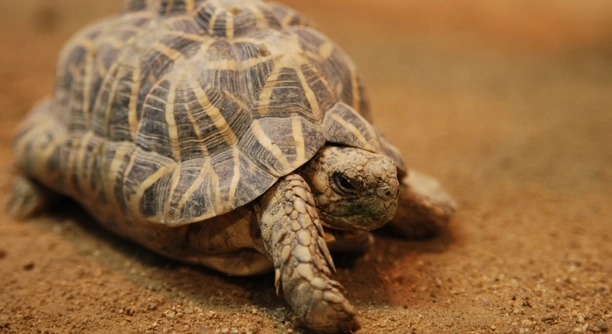
Caring for an injured tortoise, especially an Indian Star Tortoise, requires prompt attention. Their shells are vulnerable, and any injury should be treated immediately to prevent further harm and infection. Understanding the right steps is essential.
To treat a wounded Indian Star Tortoise shell, carefully clean the wound with saline solution, then apply an antibiotic ointment. Bandage the area to prevent dirt exposure and ensure the tortoise is kept in a warm, clean environment for healing.
Taking these steps will help your tortoise heal properly. Understanding the process can guide you through each stage of treatment, ensuring that your pet recovers without complications.
Assess the Injury and Evaluate the Severity
When you notice that your Indian Star Tortoise has a shell injury, it’s important to act quickly. First, examine the wound carefully. If it’s minor, such as a small crack or scrape, it can usually be treated at home. However, if the shell is deeply cracked or broken, a veterinarian should be consulted. A serious injury could lead to infection, so a proper assessment of the damage is crucial to prevent further complications. The sooner you can identify how severe the injury is, the faster you can take action and ensure your tortoise receives the necessary care.
If the injury is severe, it’s critical to get professional help. Shell fractures can involve underlying damage to the tortoise’s organs, which might require immediate medical attention. Do not hesitate to seek veterinary care if you suspect a major injury.
Tortoises can be surprisingly resilient, but proper care is essential for healing. Regular monitoring will allow you to determine if the wound is improving or worsening, helping you decide if professional intervention is necessary.
Clean the Wound Properly
Once you’ve assessed the injury, cleaning the wound is the next step. Use saline solution to gently wash the area, removing any dirt or debris. Avoid using harsh chemicals or disinfectants as these can irritate the tortoise’s sensitive shell. You want to keep the area clean to reduce the risk of infection while the wound heals.
A clean, dry environment is important after cleaning the wound. Afterward, allow the tortoise to dry off in a safe space, ensuring that the shell doesn’t stay moist for too long. This helps to avoid bacterial growth and further damage to the shell.
Drying the area thoroughly is key for the healing process. Avoid excessive moisture, as it can create an environment where bacteria thrive. By cleaning and drying the wound, you can prevent the spread of infection and ensure proper recovery.
Apply Antibiotic Ointment
After cleaning, applying an antibiotic ointment is essential for preventing infection. A gentle, pet-safe antibiotic ointment will help protect the injured area and promote healing. Ensure that the ointment is specifically designed for reptiles. Apply a thin layer over the wounded area, avoiding too much pressure. This allows the medication to work without further stressing the tortoise.
When applying the ointment, be careful not to use too much. A small amount is enough to cover the injury and keep the area protected. If the injury is on a larger area of the shell, you may need to apply the ointment in sections. Be patient and gentle, as the tortoise may be sensitive around the wounded area. It’s important to allow the ointment to soak into the shell and work effectively.
By applying the ointment as directed, you ensure that the wound stays protected. This reduces the chances of infection and helps speed up the healing process.
Bandage the Area Carefully
Once the antibiotic ointment is applied, you can bandage the area to help keep the wound clean and dry. Use a non-stick bandage or gauze pad to cover the wound. Wrap it loosely, ensuring that it’s not too tight, as this can cause unnecessary pressure on the shell. If the tortoise is active, you might want to secure the bandage to prevent it from falling off. Be mindful of how the bandage fits, as you don’t want to restrict the tortoise’s movements.
The bandage will serve as a protective barrier, helping to keep the area free from dirt and debris while the tortoise heals. Make sure to check the bandage regularly to ensure it remains in place and doesn’t cause any discomfort.
Changing the bandage every few days will help keep the area fresh and allow you to monitor the progress of the healing. If the wound appears to be healing well, you can begin reducing the frequency of the bandage changes.
Provide a Safe and Warm Environment
After treating the wound, it’s important to create a safe and warm environment for your tortoise. A clean, quiet area with consistent warmth is essential for healing. Set up a comfortable enclosure with proper lighting, including a heat source to maintain a steady temperature. This will help your tortoise stay active and promote healing. Make sure the area is free of other animals that could stress or harm your tortoise.
Maintain an appropriate temperature in the enclosure, as warmth will speed up the healing process. Reptiles, like Indian Star Tortoises, rely on their environment to regulate body temperature, so make sure the heating is not too intense. A consistent warm environment encourages blood flow, which supports tissue repair.
The area should be spacious enough for your tortoise to move around without risk of further injury. Providing space ensures your tortoise isn’t limited in its movements, which helps reduce stress and promote healing.
Monitor the Wound and Tortoise’s Behavior
While your tortoise heals, it’s crucial to monitor both the wound and its behavior closely. Regularly check the bandage to make sure it’s still in place and dry. If the bandage becomes wet or dirty, change it immediately. Also, observe how the wound is progressing—look for signs of swelling, redness, or discharge. If any of these occur, it may indicate infection, and you should seek veterinary help.
In addition to checking the wound, watch your tortoise’s activity levels. A healthy tortoise should remain relatively active. If it’s becoming lethargic, eating poorly, or showing signs of discomfort, it could indicate a problem. Keeping track of any changes in behavior will help you detect complications early.
Make sure to handle your tortoise gently, especially around the wounded area. Stress can delay healing, so minimizing handling can help your pet feel more at ease. By keeping a close eye on both the physical and behavioral signs, you can better ensure a smooth recovery.
Prevent the Wound from Getting Worse
It’s crucial to ensure the injury doesn’t worsen during the healing process. Keep your tortoise in an area where it can’t bump into hard objects or other animals. This reduces the risk of further injury to the shell. You can add soft bedding to the enclosure to cushion any falls.
Avoid moving your tortoise too much during this time. Unnecessary handling can put stress on the animal and possibly worsen the injury. Keeping your tortoise in a safe, secure place will help ensure the wound doesn’t reopen or become infected.
Proper Nutrition for Healing
A proper diet supports the healing process. Offer your tortoise fresh vegetables, fruits, and high-quality pellets. These will provide the necessary nutrients for tissue repair. A well-balanced diet rich in calcium is particularly important for shell health. Additionally, hydration is key. Make sure fresh water is always available.
Monitor how much your tortoise is eating and drinking. If it’s not eating, try offering softer foods or providing more appealing options. Nutrition plays an essential role in boosting the immune system and ensuring your tortoise has the energy to heal properly.
Avoid Using Harsh Chemicals
While cleaning the wound is important, avoid using harsh chemicals like hydrogen peroxide or alcohol. These can damage the tortoise’s delicate skin and shell. Instead, stick to gentle saline solution for cleaning. Using anything too strong can slow down healing or cause further harm to the injury.
Be cautious when applying any ointments or creams, as not all are safe for reptiles. Always opt for pet-safe products designed specifically for tortoises. The wrong treatment can irritate the wound and delay recovery, so always check the label before using anything.
FAQ
What are the signs that the wound is infected?
If the wound becomes red, swollen, or begins to ooze pus, it could be infected. These are clear signs that something isn’t healing correctly. If the tortoise appears more lethargic than usual or loses its appetite, this could also point to an infection. An infected wound can worsen quickly, so it’s important to address it right away by contacting a vet. If the wound starts to smell bad or shows any abnormal changes in color, immediate attention is necessary. The quicker you treat the infection, the better for your tortoise’s health.
Can I use regular bandages for my tortoise?
Regular human bandages are not ideal for tortoises. They might not stick properly and could irritate the skin. It’s best to use non-stick gauze pads or reptile-safe bandages. These are more breathable and will prevent the wound from getting too moist, which can lead to infection. Be sure to change the bandage regularly to ensure it stays clean and dry. If you’re unsure about the best bandage material, a vet can recommend suitable options for your tortoise’s specific needs.
How long will it take for my tortoise’s shell to heal?
The healing time depends on the severity of the injury. Minor wounds might heal in a few weeks, while more serious injuries could take months. Shell fractures, for example, may take up to 6-8 weeks or longer, depending on how well the tortoise is cared for during recovery. Be patient and monitor the wound regularly for signs of improvement. Keep in mind that tortoises heal slowly, so progress might be gradual. During this time, maintaining a warm, clean environment is key to speeding up recovery.
What should I do if my tortoise refuses to eat after an injury?
If your tortoise isn’t eating, try offering soft, fresh foods that are easy to digest. You can also try offering treats that are highly appealing to encourage it to eat. Sometimes, after an injury, tortoises may become stressed or uncomfortable, causing them to lose their appetite. Keep the environment calm and quiet to minimize stress. If the lack of appetite lasts for more than a couple of days, you should consult a veterinarian. A decrease in eating could indicate pain or infection that needs professional attention.
Is it safe to bathe my tortoise while it’s healing?
Bathing your tortoise can help with hydration and cleanliness, but it’s important to do so carefully. Avoid soaking the tortoise for long periods, as prolonged moisture can make the wound worse. If the injury is on the shell, keep the wound dry during the bath. A short, gentle bath with lukewarm water is fine, but make sure to dry your tortoise thoroughly afterward to prevent any bacteria from forming. It’s also important not to let the tortoise submerge its wound in water, as it may cause further irritation or infection.
Can I apply any natural remedies to my tortoise’s shell injury?
While some natural remedies might seem like a good idea, it’s important to stick with proven, safe treatments for your tortoise. Aloe vera gel, for example, might sound soothing, but it could cause more harm than good, as it’s not designed for reptiles. Always consult a vet before using any natural remedies, as some can be toxic to tortoises. The safest way to care for a shell injury is with a saline solution for cleaning and a reptile-specific antibiotic ointment for protection.
Should I let my tortoise roam around during recovery?
It’s important to limit your tortoise’s movement while it’s recovering from an injury. Overactivity can strain the injured area, leading to complications. Provide a spacious enclosure where your tortoise can move around, but avoid letting it roam freely, as it could accidentally injure itself again. Keeping your tortoise in a controlled, safe environment will help it heal faster. If possible, restrict its movement until the wound has sufficiently healed. Encourage gentle movement and monitor closely for signs of discomfort.
What type of environment is best for a healing tortoise?
The ideal environment for a recovering tortoise includes a warm, clean space with proper lighting. The temperature should be regulated to ensure it stays warm, as warmth helps speed up healing. You can use a basking light or heat lamp to provide the necessary warmth, but avoid placing it directly over the wounded area. The area should be quiet and free of stressors, as a calm environment helps the tortoise focus on healing. Make sure the substrate is soft to reduce pressure on the injury and avoid anything that could further damage the shell.
When should I seek veterinary care?
If you notice that the wound is not healing after a few weeks, or if the injury is severe, it’s important to seek veterinary care. Any signs of infection, such as swelling, discharge, or a bad smell, should be addressed immediately. Additionally, if the tortoise appears to be in pain, becomes unusually lethargic, or loses its appetite, professional help is necessary. A vet can provide additional treatments and offer guidance on how to care for your tortoise during its recovery. Don’t hesitate to reach out to a professional if you feel unsure about the healing process.
Caring for a wounded Indian Star Tortoise requires attention to detail and patience. Whether the injury is minor or more serious, following the proper steps can help ensure a smooth recovery. From cleaning the wound to providing a warm and safe environment, each step is important. The healing process might take time, so be prepared to monitor the injury closely, check for signs of infection, and make adjustments as needed. Keeping a calm and controlled environment will also help reduce stress, which is key for recovery.
Paying attention to your tortoise’s diet is also a vital part of the healing process. A well-balanced, nutrient-rich diet will support the tortoise’s immune system and speed up recovery. Fresh vegetables, fruits, and a source of calcium will help the body repair damaged tissue. Make sure the tortoise is staying hydrated, as dehydration can slow healing. If the tortoise isn’t eating well, try offering softer foods or adjusting the temperature in its environment to encourage appetite. Monitoring food and water intake is an easy but effective way to ensure the tortoise is on track for recovery.
Lastly, be mindful of when to seek professional help. If the injury doesn’t improve or worsens, it’s important to consult with a vet. A vet can provide additional treatment and offer guidance on the best care for your tortoise’s specific injury. If you notice signs of infection, severe swelling, or if the tortoise is not behaving normally, don’t hesitate to get professional help. With proper care, most tortoises can recover from injuries and lead healthy lives.

Hello,
If you enjoy the content that we create, please consider saying a "Thank You!" by leaving a tip.
Every little bit helps us continue crafting quality advice that supports the health, happiness, and well-being of pets around the world, for pets of all shapes, sizes, and species.
We really appreciate the kindness and support that you show us!