
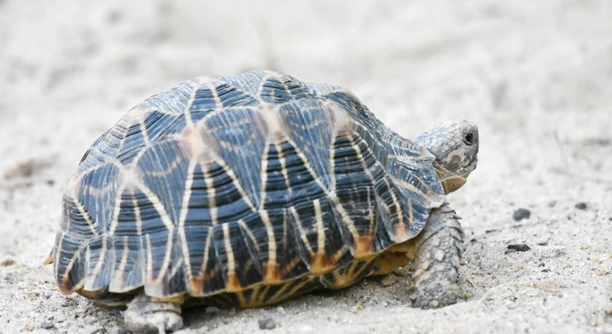
UVB lights are essential for providing the right environment for Indian Star Tortoises, ensuring their health and well-being. These reptiles require specific light conditions for optimal growth and vitality.
UVB light helps tortoises synthesize vitamin D3, which is crucial for calcium absorption. Without adequate UVB exposure, tortoises may suffer from metabolic bone disease and weakened shells. Providing UVB lighting ensures proper bone health and overall vitality.
Understanding the role of UVB lighting in tortoises’ health is key to their long-term survival and growth. This article will explore the benefits of using UVB lights for Indian Star Tortoises.
The Importance of UVB for Calcium Absorption
UVB light plays a significant role in ensuring that Indian Star Tortoises absorb enough calcium, which is vital for their bone and shell health. When exposed to UVB rays, their bodies produce vitamin D3, which helps process calcium. Without proper UVB lighting, tortoises can face serious health issues, such as weakened shells, lethargy, and even paralysis. This is why providing the right lighting in their habitat is so important. It mimics natural sunlight, helping these reptiles stay healthy and active. Tortoises exposed to inadequate UVB can suffer from metabolic bone disease, leading to long-term complications. As pet owners, it’s crucial to replicate the natural conditions of their wild habitats to ensure they thrive in captivity. UVB light is one of the most effective ways to promote proper growth, strength, and vitality in tortoises.
UVB lighting mimics the sun’s rays, promoting calcium absorption and preventing serious bone issues. It is essential for long-term health.
Providing UVB lights in a controlled environment ensures that your Indian Star Tortoise gets the necessary exposure to thrive. Unlike natural sunlight, indoor lighting setups require UVB bulbs designed to mimic the sun’s rays. These bulbs should be replaced every six months since their effectiveness diminishes over time. Additionally, the light should be positioned at the right distance to allow proper absorption. A balanced light cycle, usually around 10-12 hours of exposure per day, simulates natural conditions and helps your tortoise stay active and healthy. This regular exposure is vital for preventing deficiencies that could lead to bone disease. A well-maintained UVB setup creates an environment that supports both the mental and physical well-being of your tortoise, making it an essential part of their habitat.
Maintaining Proper UVB Lighting
Regular maintenance of UVB lights is crucial to ensure their effectiveness. Over time, UVB bulbs lose their ability to emit the required levels of radiation.
Preventing Metabolic Bone Disease
Metabolic bone disease (MBD) is a common problem in Indian Star Tortoises when they don’t receive enough UVB exposure. This condition leads to weakened bones and shells, causing deformities and discomfort. UVB lighting is a simple yet effective solution to prevent MBD.
UVB light enables tortoises to produce vitamin D3, which is essential for calcium absorption. Without it, their bones and shells may become brittle and deformed. In severe cases, MBD can cause paralysis or death. Proper UVB lighting is vital for preventing this. It helps maintain healthy bones and ensures that tortoises develop properly. Tortoises that lack adequate UVB exposure are at high risk of developing MBD, especially in captivity where natural sunlight is limited.
Once proper UVB lighting is introduced, the risk of MBD significantly reduces. It’s essential to monitor your tortoise’s health and look for signs like softened shells or slow movement, which may indicate a problem. Ensuring that they get the right amount of UVB will keep them active, healthy, and free from bone disease.
UVB Lighting Placement and Distance
Placing UVB lights at the right distance from your tortoise is crucial for their health. Too far away, and the UVB won’t be effective; too close, and it could cause overheating or skin damage.
Proper UVB Lighting Duration
UVB light should be provided for about 10-12 hours daily to mimic the natural daylight cycle. This exposure ensures that your tortoise gets enough light to maintain healthy calcium levels and bone strength. Consistency is key for optimal health.
Setting a timer for your UVB lights can help maintain a regular schedule. If tortoises are exposed to light for too long, it could lead to stress or overheating. Maintaining a balanced light cycle that matches their natural habitat helps them feel secure and thrive. Regular exposure keeps their metabolic processes in check, promoting overall well-being.
UVB Bulb Replacement
UVB bulbs lose their effectiveness over time. Even though they may still appear to work, the UVB output decreases significantly after about six months. It’s essential to replace these bulbs regularly to ensure your tortoise is getting the full benefit of UVB light exposure.
FAQ
Why is UVB light important for Indian Star Tortoises?
UVB light is essential because it helps Indian Star Tortoises synthesize vitamin D3, which is necessary for proper calcium absorption. Without sufficient calcium, tortoises can develop metabolic bone disease, which affects their shell and overall health. UVB light mimics natural sunlight and ensures the tortoise’s bones and shells stay strong.
How long should UVB lights be on each day?
UVB lights should be on for 10-12 hours per day to simulate natural sunlight. This duration is enough to keep your tortoise’s vitamin D3 levels up and ensure it gets the proper calcium absorption. Consistency in the lighting schedule is essential for maintaining good health.
Can UVB lights overheat a tortoise?
Yes, UVB lights can potentially overheat a tortoise if placed too close. It’s important to position the light at an appropriate distance to avoid heat stress or burns. Typically, the light should be 8-12 inches above the tortoise, but always check the manufacturer’s guidelines for specific distance recommendations.
How often should UVB bulbs be replaced?
UVB bulbs should be replaced every six months, even if they still appear to be working. Over time, the amount of UVB emitted by the bulb decreases, which reduces its effectiveness. Regularly replacing the bulbs ensures that your tortoise receives the full benefits of UVB light.
What are the signs of inadequate UVB exposure?
If a tortoise is not getting enough UVB, it may show signs such as lethargy, soft or deformed shells, and difficulty moving. Over time, this can lead to more severe issues, including fractures or paralysis. If you notice any of these signs, it’s important to address the lighting setup immediately.
Can I use regular light bulbs instead of UVB bulbs?
Regular light bulbs do not emit UVB rays, so they cannot replace the specialized UVB bulbs. UVB bulbs are designed to produce the specific wavelengths of light needed for your tortoise to synthesize vitamin D3. It’s important to use a proper UVB bulb to ensure your tortoise’s health.
What is the difference between UVA and UVB light?
UVA light is visible to both humans and tortoises and plays a role in regulating their behavior and appetite. UVB light, however, is the critical type of light for vitamin D3 production and calcium absorption. While both are important, UVB is the key for the tortoise’s bone health.
Can I use natural sunlight instead of UVB bulbs?
Natural sunlight can be a great source of UVB, but it’s not always reliable, especially indoors or during cloudy days. If you have access to outdoor sunlight, make sure your tortoise gets direct exposure for about 20-30 minutes. However, UVB bulbs are often necessary to provide consistent and reliable lighting.
How can I measure the UVB output of a bulb?
To measure the UVB output, you can use a UVB meter. These meters can help you ensure that the bulb is emitting enough UVB to be effective. If you don’t have a meter, most experts recommend replacing the bulb every six months to ensure it’s working properly.
Is there a specific UVB bulb for tortoises?
Yes, there are UVB bulbs specifically designed for reptiles, including tortoises. These bulbs are calibrated to provide the correct amount of UVB radiation. Some options are better suited for larger enclosures or higher basking areas, so choose a bulb based on the needs of your setup.
Can UVB light harm my tortoise?
UVB light is not harmful if used correctly. However, if a tortoise is exposed to too much UVB or is too close to the bulb, it can lead to overheating or skin damage. Always follow the manufacturer’s guidelines regarding the appropriate distance between the bulb and the tortoise.
What type of UVB bulb is best for my tortoise?
There are two main types of UVB bulbs: fluorescent tubes and compact fluorescent bulbs. Fluorescent tubes tend to offer a more even distribution of UVB light, while compact bulbs can be easier to use in smaller enclosures. Both can be effective, but the choice depends on your specific setup and the needs of your tortoise.
Can UVB lights affect the behavior of my tortoise?
UVB lights can affect a tortoise’s behavior by influencing its activity levels and feeding habits. In a natural environment, UVB is a part of their daily routine, so they will be more active and alert with proper exposure. Tortoises without adequate UVB exposure may appear more lethargic or less active.
Do tortoises need UVB light at night?
No, tortoises do not need UVB light at night. In fact, having a light on overnight can disrupt their natural sleep cycle. Tortoises are diurnal, so they need UVB light during the day to simulate their natural environment. At night, they require darkness to rest properly.
What happens if my UVB bulb is not strong enough?
If your UVB bulb isn’t strong enough, your tortoise may not get sufficient UVB exposure, leading to calcium deficiencies and health issues like metabolic bone disease. It’s important to use a high-quality UVB bulb designed for reptiles and regularly check its output to ensure it remains effective.
Are there any other factors that affect UVB exposure?
Yes, factors such as the distance between the bulb and the tortoise, the type of bulb used, and the enclosure setup can all affect UVB exposure. It’s also important to consider the placement of the tortoise’s basking area, as they need to be able to access the UVB rays effectively.
Final Thoughts
Providing the right lighting for your Indian Star Tortoise is essential for their health and well-being. UVB light plays a significant role in their ability to absorb calcium, which is crucial for their bone and shell development. Without sufficient UVB exposure, tortoises are at risk of developing metabolic bone disease, which can cause deformities, weakness, and even death. It’s important to remember that UVB light mimics natural sunlight, helping your tortoise thrive in an environment that closely resembles their natural habitat.
The proper duration and intensity of UVB exposure are also vital for maintaining your tortoise’s health. Keeping a consistent 10-12 hours of UVB light daily helps ensure they are getting enough exposure to promote calcium absorption. Additionally, maintaining the right distance between the bulb and the tortoise is necessary to avoid overheating or exposure to too much light. If the UVB bulb is too close, it could lead to stress or even burns. On the other hand, if it’s too far away, the tortoise won’t get enough UVB to meet its needs. Regularly replacing UVB bulbs is also essential to ensure that they continue to provide adequate UVB radiation for your tortoise.
In conclusion, proper UVB lighting is not just an accessory, but a vital component of your tortoise’s care routine. By providing the right amount of light, using appropriate bulbs, and regularly replacing them, you can help your Indian Star Tortoise live a healthy and active life. Ensuring that your tortoise has access to the right UVB exposure will lead to better bone health, activity levels, and overall happiness. Keep in mind the importance of consistency and the environment in which your tortoise lives, and they will thank you with a long and healthy life.

Hello,
If you enjoy the content that we create, please consider saying a "Thank You!" by leaving a tip.
Every little bit helps us continue crafting quality advice that supports the health, happiness, and well-being of pets around the world, for pets of all shapes, sizes, and species.
We really appreciate the kindness and support that you show us!