
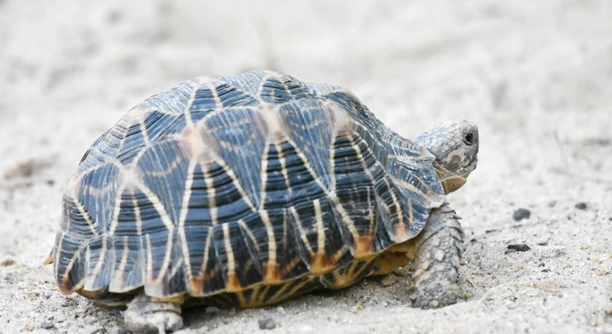
Indian star tortoises are fascinating creatures, known for their beautiful, star-patterned shells. Many people keep them as pets, but ensuring they thrive in captivity requires proper care and attention to their needs.
Providing the right environment, diet, and handling is essential for the well-being of Indian star tortoises. By maintaining proper temperature, humidity, and a balanced diet, you can create a safe and healthy home for these unique reptiles.
These tips will guide you through creating the best environment for your tortoise and ensuring its health and happiness for years to come.
Creating the Right Habitat for Your Indian Star Tortoise
A suitable habitat is crucial for your Indian star tortoise’s well-being. These tortoises naturally live in warm, dry environments, so replicating this is key. You’ll need to set up an enclosure with a basking spot where temperatures can reach around 95°F. The rest of the habitat should have a cooler area of 75°F to 85°F to allow your tortoise to regulate its body temperature. Additionally, humidity levels should remain between 50% and 60%. A substrate like coconut coir or a mix of sand and soil can help maintain the right conditions.
Providing a varied habitat with different areas for basking, hiding, and foraging will prevent stress and encourage natural behaviors. Make sure the enclosure is large enough for the tortoise to roam. For an adult tortoise, an enclosure size of at least 4×6 feet is recommended.
Tortoises need light to thrive, so providing a UVB light source is essential for calcium absorption and shell health. Be sure to replace bulbs every 6 months as their UVB output decreases over time.
Proper Diet and Nutrition
A balanced diet is vital for the growth and health of your tortoise. They are herbivores, primarily feeding on grasses, leaves, and flowers. You should provide a variety of dark leafy greens like dandelion greens, collard greens, and mustard greens. Avoid offering iceberg lettuce, as it lacks nutrients. Additionally, a small amount of fruits such as papaya and berries can be given occasionally as treats.
Your tortoise also requires calcium to support a healthy shell, so dusting their food with a calcium supplement is recommended. They also need access to fresh water at all times. Ensure the water bowl is shallow to avoid drowning risks, and clean it daily.
A diverse and nutritious diet ensures your Indian star tortoise thrives in captivity. Over time, you’ll learn what they prefer, but it’s always important to maintain variety to prevent nutritional deficiencies.
Providing Proper UVB Lighting
UVB lighting is one of the most important aspects of tortoise care. Indian star tortoises require exposure to UVB light to properly absorb calcium, which helps in the development of strong bones and shells. Without sufficient UVB, tortoises can develop metabolic bone disease, a condition that weakens their bones and can lead to serious health problems.
The best option is a high-quality UVB lamp that provides adequate coverage for your tortoise’s enclosure. The light should be positioned about 12-18 inches above the basking area to ensure effective exposure. Make sure to replace UVB bulbs every 6 months, as their effectiveness decreases over time, even if the light still appears to be functioning. It’s also beneficial to give your tortoise access to natural sunlight when possible, but only in a safe, controlled manner.
Ensuring your tortoise gets the proper UVB exposure will promote healthy growth, a stronger shell, and overall well-being.
Substrate and Bedding for Your Tortoise’s Enclosure
Choosing the right bedding is essential for your tortoise’s health. Use substrates that help maintain humidity while being easy to clean. Coconut coir, organic soil, and cypress mulch are good options. Avoid using sand or gravel as they can cause impaction if ingested.
Keep the bedding at the correct depth to allow for burrowing. A depth of about 2-3 inches is ideal. Regularly spot clean and change the substrate to avoid bacteria buildup. It’s also important to ensure the bedding doesn’t get too wet, as this can lead to respiratory issues. Keep it dry and fresh for optimal conditions.
Use a substrate that doesn’t just hold humidity but also mimics your tortoise’s natural habitat. Some tortoises like to dig and burrow, so it’s important to offer bedding that supports this behavior. By maintaining the right substrate, you can prevent issues like skin irritations or stress that may occur from unsuitable bedding.
Handling Your Indian Star Tortoise
When handling your tortoise, be gentle and calm. Indian star tortoises are not naturally fond of being held, so it’s important to respect their space. Try not to handle them excessively, as it can cause stress. A brief, gentle touch is best when interacting with them.
Make sure to support their body fully when picking them up, as lifting them improperly can cause injury. Use both hands, and avoid gripping them too tightly. Handling them for a few minutes once or twice a week is usually sufficient, but each tortoise has its own comfort level.
Ensure your tortoise feels safe when being handled. If they become stressed or retreat into their shell, it’s best to set them down and allow them some time to relax. Positive, brief interactions will help build trust between you and your tortoise.
Temperature and Humidity Control
Maintaining the right temperature is crucial for your tortoise’s health. The basking area should be around 95°F, while the cooler end of the enclosure should stay between 75°F and 85°F. This temperature gradient allows your tortoise to regulate its body heat.
Humidity should be kept between 50% and 60%. Too much moisture can lead to respiratory issues, while too little can cause dehydration. Use a hygrometer to monitor humidity and make adjustments using a humidifier or shallow water dishes. Proper airflow is also important to prevent mold growth in the enclosure.
Adjusting the environment for your tortoise’s needs will keep them comfortable and healthy. Consistent monitoring of both temperature and humidity ensures they thrive in captivity.
Bathing Your Tortoise
Bathing your tortoise is an important part of their care routine. It helps prevent dehydration and keeps their shell and skin clean. Gently place your tortoise in shallow, lukewarm water for about 15-20 minutes. Make sure the water level is low enough for them to easily climb out.
Bathing is especially important for tortoises that are kept indoors, as they might not drink as much water. Bathing helps stimulate their natural drinking habits. Always monitor them to ensure they don’t stay too long in the water, which could cause stress or discomfort.
Enrichment and Mental Stimulation
Providing enrichment for your Indian star tortoise is important for their mental well-being. You can add rocks, logs, and plants to the enclosure for them to explore and hide in. This encourages natural foraging and climbing behavior, helping to keep them active.
Introducing objects to interact with, like a shallow dish of fresh greens or a new log to climb on, can also help reduce stress. Tortoises enjoy investigating their environment, so providing variety in their space promotes curiosity. Additionally, rotating these items regularly keeps their environment stimulating and engaging.
FAQ
How often should I feed my Indian star tortoise?
Indian star tortoises should be fed every other day. Their diet mainly consists of leafy greens, grasses, and occasionally fruits. Offering a variety of greens such as dandelion greens, collard greens, and turnip greens is important for providing balanced nutrition. Small amounts of fruits like papaya or berries can be offered as treats. It’s best to avoid feeding them high-oxalate foods like spinach and lettuce, which can cause health issues over time.
Can I keep multiple tortoises together?
While it is possible to keep multiple Indian star tortoises together, it’s important to consider their size and personalities. Tortoises are territorial and can become aggressive towards each other, especially if there’s not enough space in the enclosure. To prevent fights, ensure your tortoises have enough room to establish their own territories. It’s also important to provide separate food and water bowls to avoid competition. Monitoring them closely for signs of aggression is essential, and separating them when necessary is a good practice.
How can I tell if my Indian star tortoise is healthy?
A healthy Indian star tortoise will have clear, bright eyes, a smooth, well-formed shell, and active movement. It should not appear lethargic or have any noticeable injuries. You should also observe its eating and drinking habits. If your tortoise is not eating or drinking regularly, or if it appears to have a soft or deformed shell, it may indicate health problems. Additionally, the tortoise should not have any signs of respiratory issues, such as wheezing or nasal discharge.
What should I do if my tortoise is not eating?
If your Indian star tortoise is not eating, check the temperature and humidity levels in its enclosure. Tortoises often stop eating when their environment is too cold or too dry. Ensure the basking area is between 90°F and 95°F and that humidity levels are kept between 50% and 60%. You can also try offering different foods or gently soaking your tortoise in warm water to stimulate its appetite. If the issue persists, consult a veterinarian to rule out health problems.
Can Indian star tortoises live outside?
Indian star tortoises can live outdoors, but only in a suitable environment. They need a safe, enclosed space where they can bask in the sun and seek shelter when needed. Make sure the outdoor area is secure to prevent predators from getting in. The temperature should stay within the appropriate range, and the enclosure must provide hiding spots and areas for grazing. Be cautious of extreme weather conditions; they should be brought indoors during harsh winters or extremely hot summer days.
How do I clean my tortoise’s enclosure?
Cleaning your tortoise’s enclosure regularly is important to prevent bacteria buildup. Remove any uneaten food, droppings, and soiled bedding daily. At least once a week, fully clean the enclosure by removing all bedding, washing the walls and floor with a reptile-safe disinfectant, and replacing the substrate. Make sure the habitat dries completely before adding fresh bedding. If using a water bowl, clean and refill it daily with fresh water.
How long do Indian star tortoises live?
Indian star tortoises can live a long time, often reaching 50 years or more with proper care. In captivity, they can live up to 60 years, especially when provided with the right diet, environment, and regular veterinary care. It’s important to be prepared for the long-term commitment of owning a tortoise. Proper care can help them thrive and live to their full lifespan.
What is the ideal size for an Indian star tortoise’s enclosure?
The size of the enclosure depends on the size and age of your tortoise. For adults, the minimum recommended size is a 4×6 foot enclosure. Larger enclosures are better, as tortoises need space to roam, explore, and bask. For hatchlings or younger tortoises, a smaller enclosure may be suitable, but it should still allow for movement. Make sure the enclosure has areas with different temperatures to allow your tortoise to regulate its body heat effectively.
How can I help my tortoise shed its skin?
Tortoises naturally shed their skin, but if the shedding process is slow or incomplete, it can lead to health problems. To assist in shedding, make sure the humidity levels in the enclosure are ideal, as low humidity can cause skin shedding issues. You can also provide a shallow water bath to help soften the skin, making it easier for your tortoise to shed. If shedding problems persist, consult a vet to rule out any underlying conditions.
Are Indian star tortoises good pets for beginners?
Indian star tortoises can be a good pet for beginners, but they require a certain level of care and attention. Their habitat must be set up with specific temperature and humidity conditions, and they need a varied diet of leafy greens, grasses, and occasional fruits. They are relatively low-maintenance once their environment is properly established, but beginners should be willing to invest time into learning about their care needs. It’s always helpful to research thoroughly and possibly consult a vet before getting a tortoise.
Final Thoughts
Caring for an Indian star tortoise requires attention to detail, but it’s not overly complicated. By providing the right environment, diet, and proper medical care, your tortoise can live a long and healthy life. Temperature and humidity play significant roles in their well-being, so it’s essential to monitor these factors consistently. A well-maintained enclosure with plenty of space for them to roam, bask, and explore is crucial. Regularly checking on their health and addressing any concerns early will help you avoid problems down the road.
Indian star tortoises are fascinating creatures with unique needs that can be met with dedication. Their longevity and the rewarding experience of watching them thrive make the effort worthwhile. By ensuring their habitat remains secure and comfortable, and offering them a varied diet, you’ll set your tortoise up for success. Taking the time to educate yourself about their behaviors and needs is a great way to prevent unnecessary stress or health issues. Tortoises are sensitive to changes in their surroundings, so consistency is key.
Ultimately, your Indian star tortoise will thrive when its environment matches its natural habitat as closely as possible. Whether it’s providing proper lighting, feeding them the right foods, or giving them space to roam, their happiness depends on the care you offer. With a little patience and preparation, you can enjoy many years of companionship with your tortoise, watching them grow and adapt in their environment. Always be sure to monitor their health and consult a vet if needed to ensure they remain in good condition.

Hello,
If you enjoy the content that we create, please consider saying a "Thank You!" by leaving a tip.
Every little bit helps us continue crafting quality advice that supports the health, happiness, and well-being of pets around the world, for pets of all shapes, sizes, and species.
We really appreciate the kindness and support that you show us!