
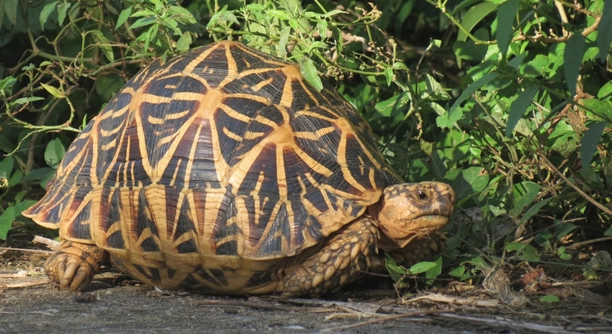
Indian star tortoises are often charming pets, but when they refuse to use their hide, it can raise concerns. This behavior might indicate an issue that needs attention. Understanding why your tortoise is avoiding its hide can help improve its comfort.
The refusal of a tortoise to use its hide can be due to stress, temperature imbalances, or an uncomfortable enclosure. Ensuring the right conditions, like temperature control and a properly sized hide, may encourage your tortoise to feel more secure.
Identifying these factors can lead to a solution that benefits your tortoise’s well-being and environment.
Understanding Tortoise Behavior and Preferences
When your Indian star tortoise refuses to use its hide, it could be a sign of discomfort. Tortoises are naturally shy creatures, and their hides serve as safe spaces where they feel secure. If the hide is too small, too large, or in the wrong location, your tortoise might not feel comfortable using it. The placement of the hide is important as well. If it’s in a high-traffic area or near a noisy environment, it might discourage your tortoise from using it. A hide should ideally be placed in a quiet, calm area of the enclosure to help your tortoise feel safe and relaxed.
A warm, quiet spot is key for your tortoise’s comfort. Temperature also plays a crucial role in your tortoise’s preference for its hide. If the area is too cold or too hot, it could cause the tortoise to avoid it altogether. It’s important to ensure that the hide is in the right temperature zone.
Proper humidity levels are just as important as temperature. Too much humidity can cause discomfort, and too little can affect your tortoise’s health. A balanced environment will help encourage your tortoise to use its hide and feel comfortable.
Temperature and Humidity Control
Ensuring proper temperature and humidity levels in your tortoise’s enclosure can significantly impact its behavior. Your tortoise needs a temperature gradient, with a warm side and a cooler side, so it can regulate its body heat. If the hide is too hot or too cold, your tortoise might avoid it entirely. A basking spot with a temperature of around 95°F to 100°F will give your tortoise the warmth it needs, while the cooler side should be around 75°F to 80°F.
Humidity is also an essential factor. Indian star tortoises prefer slightly higher humidity, around 50% to 60%. If the humidity is too low, your tortoise may feel uncomfortable, causing it to avoid the hide. Keep a water dish in the enclosure and consider using a misting system to maintain the right humidity level.
Hide Size and Placement
The size of the hide plays a major role in whether your tortoise will use it. If it’s too cramped or too spacious, your tortoise may not feel secure enough to settle inside.
The hide should be just big enough for your tortoise to fit comfortably, but not so large that it feels exposed. The walls of the hide should offer some sense of enclosure, giving your tortoise the feeling of security. The hide should also be placed in a quiet, low-traffic area, far from any direct light or loud noise. This allows your tortoise to feel more comfortable and less stressed when seeking shelter.
If the hide feels too open or located in an area with frequent disturbances, your tortoise may avoid it. The hide’s purpose is to provide a place where your tortoise can retreat when it feels the need for safety and privacy.
Stress Factors Affecting Hide Use
Stress is one of the main reasons your tortoise might refuse its hide. Changes in the environment or handling can cause anxiety, making your tortoise avoid its safe space.
A sudden change in temperature, new animals in the household, or excessive handling can all contribute to stress. Your tortoise may find comfort in staying out in the open if it’s feeling overwhelmed. To reduce stress, try to keep its environment stable. Minimize disruptions and ensure its habitat stays calm, predictable, and secure. Avoiding frequent interactions will allow your tortoise to feel less stressed and more inclined to use its hide.
Inadequate Lighting
Poor lighting can discourage your tortoise from using its hide. If the lighting is too bright or too dim, it may cause your tortoise to feel uncomfortable or disoriented.
Tortoises need a proper balance of light and dark areas to feel secure. If the hide is located under a harsh light or in a completely dark spot, your tortoise might avoid it. A UVB light should be used to simulate daylight, providing both warmth and light without overwhelming your tortoise.
Poorly Designed Enclosure
A poorly designed enclosure can also affect your tortoise’s behavior. If there aren’t enough hiding spots or the enclosure is overcrowded, your tortoise may avoid its hide.
Ensuring that the enclosure is spacious, clean, and has multiple hide options can make a big difference. It also helps to include a range of surfaces like rocks, plants, and other items to mimic a natural habitat. This variety provides your tortoise with multiple places to feel secure, encouraging it to use its hide more often.
FAQ
Why isn’t my Indian star tortoise using its hide?
There are several reasons why your Indian star tortoise might avoid its hide. It could be due to stress, improper temperature, or even the hide being uncomfortable. If the hide is too small, too large, or located in a high-traffic area, your tortoise may feel unsafe and avoid it. Make sure the hide is in a calm, quiet area with proper temperature and humidity levels. Sometimes, even a small change in environment can cause stress, which leads to your tortoise not using its hide.
How do I know if my tortoise’s hide is the right size?
The hide should be just big enough for your tortoise to enter and turn around comfortably, but not too spacious. If it’s too large, your tortoise may feel exposed, and if it’s too small, it may not fit properly. The hide should allow the tortoise to feel securely enclosed, mimicking the snugness it would feel in the wild. To check the size, observe if your tortoise uses it occasionally. If it avoids the hide completely, it may not be the right size.
Can the temperature affect my tortoise’s use of its hide?
Yes, temperature plays a significant role. Tortoises are cold-blooded and rely on external heat to regulate their body temperature. If the hide is too cold or too hot, your tortoise may avoid it. A basking area should be around 95°F to 100°F, and the cool side of the enclosure should be around 75°F to 80°F. It’s essential to monitor the temperature in both areas to ensure the hide remains comfortable for your tortoise. Having a temperature gradient allows the tortoise to regulate its body temperature better and feel comfortable in its hide.
What kind of hide is best for my Indian star tortoise?
A naturalistic hide is ideal for your Indian star tortoise. A wooden or ceramic hide can mimic the conditions they would seek in the wild. The hide should provide a dark, enclosed space where your tortoise can retreat to feel safe. Avoid using transparent or open hides, as they can make your tortoise feel exposed and stressed. Ensure the hide is the right size, as discussed, and place it in a calm, cool area of the enclosure to encourage use.
Should I place my tortoise’s hide in the warm or cool side of the enclosure?
It’s a good idea to place the hide on the cooler side of the enclosure. Tortoises often seek out their hide to cool down and feel secure, especially if they get too warm from basking. However, if the hide is located in a warmer area, it might discourage use. Keep a temperature gradient so your tortoise can choose between the warmer basking area and the cooler hide. Providing a choice in temperature zones is key for a tortoise’s comfort and natural behavior.
Can stress cause my tortoise to stop using its hide?
Yes, stress is one of the most common reasons a tortoise may refuse to use its hide. Changes in the environment, excessive handling, or the presence of other animals can make your tortoise feel unsafe. This anxiety can lead it to avoid its hide, preferring to stay out in the open. Reducing stress by providing a stable, quiet, and calm environment will help your tortoise feel secure and encourage it to use its hide. Avoid disturbing your tortoise too frequently and keep the enclosure free from external stressors.
What if my tortoise still doesn’t use its hide after adjusting the temperature and environment?
If your tortoise continues to avoid its hide after adjusting the temperature and environment, it might help to try adding more hides or rearranging the enclosure. Sometimes, a tortoise will prefer a different type of hide or a more secluded spot. You can also try adding more plants or objects in the enclosure to make the space feel more natural. However, be patient, as it might take time for your tortoise to adjust to the new changes. Observing your tortoise’s behavior and experimenting with slight adjustments can eventually lead to a more comfortable environment.
Can the humidity level impact the use of the hide?
Yes, humidity levels can affect your tortoise’s decision to use its hide. Indian star tortoises need a slightly higher humidity level, around 50%-60%. If the humidity is too low, your tortoise might feel uncomfortable, and if it’s too high, it could lead to other health issues. Proper humidity helps maintain your tortoise’s skin and respiratory health, and it can make the hide a more appealing place for it to retreat. Use a hygrometer to monitor the humidity levels and ensure they stay within the proper range.
Do I need to provide more than one hide for my tortoise?
While one hide is typically enough, offering more than one hide can encourage your tortoise to use them more often. Some tortoises prefer having a choice, allowing them to select a hide based on temperature or privacy needs. If your enclosure is large enough, adding a second hide can provide extra comfort and security. Ensure that both hides are positioned in different areas of the enclosure to give your tortoise variety and a better chance of finding a spot it prefers.
Final Thoughts
Ensuring your Indian star tortoise feels safe and comfortable in its enclosure is crucial for its well-being. If your tortoise is refusing to use its hide, it’s important to look closely at factors such as temperature, stress, and the hide’s size and location. A hide that is too big, too small, or improperly placed can discourage your tortoise from using it. Additionally, poor lighting or incorrect humidity levels may contribute to your tortoise feeling uncomfortable. Taking the time to adjust these factors can make a big difference in encouraging your tortoise to use its hide.
It’s also essential to be patient and observant. Changes in the environment may take some time for your tortoise to adjust to, and it may not immediately begin using the hide again. Observe your tortoise’s behavior and make gradual adjustments to its enclosure. Creating a safe, calm environment will help ease any stress that could be preventing your tortoise from seeking shelter in its hide. Offering your tortoise a variety of hides and making the space feel more natural can also encourage it to explore its surroundings more confidently.
Finally, understanding your tortoise’s needs and responding to them is key to creating a healthy, comfortable living space. If your tortoise continues to avoid its hide after addressing these factors, it may be helpful to consult with a vet to rule out any underlying health issues. By paying attention to temperature, humidity, hide size, and stress levels, you can create an environment that promotes natural behaviors, allowing your Indian star tortoise to thrive.

Hello,
If you enjoy the content that we create, please consider saying a "Thank You!" by leaving a tip.
Every little bit helps us continue crafting quality advice that supports the health, happiness, and well-being of pets around the world, for pets of all shapes, sizes, and species.
We really appreciate the kindness and support that you show us!