
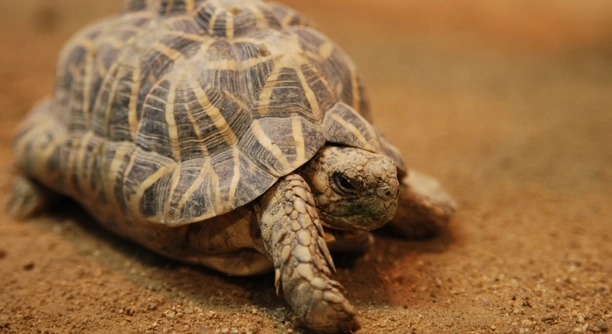
Is your Indian star tortoise showing unusual behavior or signs of distress? Stress can impact its health, leading to changes in eating habits, shell condition, and overall activity levels. Recognizing these signs early can help prevent further complications.
Common signs of stress in Indian star tortoises include loss of appetite, hiding for extended periods, excessive pacing, and irregular basking habits. Environmental factors like improper temperature, inadequate humidity, or a lack of hiding spots can contribute to stress-related behaviors and health issues.
Recognizing these signs allows you to take steps to improve your tortoise’s well-being. Creating a comfortable environment and addressing stressors can promote a healthier, happier pet.
Signs Your Indian Star Tortoise Is Stressed
A stressed Indian star tortoise may become less active, hide frequently, or refuse food. Stress can weaken its immune system, making it more vulnerable to illness. Environmental factors like temperature fluctuations, improper humidity, or loud noises can contribute to discomfort. Monitoring behavior and identifying stress triggers early can prevent long-term health problems. Ensuring a consistent and suitable habitat, with proper lighting and temperature, is essential for maintaining stability. Small adjustments, like providing hiding spots and maintaining a quiet environment, can make a significant difference in reducing stress levels. When stress is left unaddressed, it may lead to more severe behavioral changes, such as excessive pacing or shell deterioration.
A tortoise that is constantly on edge may withdraw into its shell more often. Reduced basking or irregular sleeping patterns can also indicate stress. Paying attention to these behaviors helps in making necessary habitat improvements.
Poor diet, dehydration, and inadequate space can add to stress. If your tortoise refuses to eat, ensure its diet includes fresh greens, calcium, and proper hydration. Inadequate lighting can also lead to lethargy and shell issues. Checking these factors regularly can keep your tortoise comfortable and thriving.
How to Help a Stressed Indian Star Tortoise
Making small changes to your tortoise’s environment can greatly improve its well-being. A stable habitat with proper temperature, humidity, and a quiet atmosphere helps create a stress-free space. Ensuring adequate hiding spots and a balanced diet supports overall health.
Lighting plays a key role in your tortoise’s comfort. UVB light is necessary for shell health and calcium absorption. Without it, stress levels may increase, leading to weaker bones. Temperature should be consistent, with a basking area around 95°F and a cooler area around 75°F. Humidity should stay between 50–70% to prevent dehydration. If stress-related behaviors persist, consider evaluating your tortoise’s enclosure for any potential disruptions. Sudden changes in surroundings, including loud noises or frequent handling, may contribute to stress. Reducing disturbances and maintaining a consistent routine can help your tortoise feel secure. By providing a suitable environment, you can ensure a healthier, more relaxed pet.
Adjusting the Habitat for Comfort
A stable environment is essential for reducing stress. Sudden temperature changes, improper humidity, and lack of hiding spots can cause discomfort. Ensuring the right setup with consistent conditions helps your tortoise feel secure and promotes healthy behaviors like basking and regular feeding.
Temperature should be carefully maintained, with a basking spot around 95°F and a cooler area at 75°F. A proper UVB light source is necessary for calcium absorption and overall health. Without it, stress levels may increase, leading to lethargy and shell problems. Humidity levels should stay between 50–70% to prevent dehydration and shell issues. Hiding spots, such as logs or shaded areas, allow your tortoise to retreat when needed. Minimizing external disturbances, like loud noises or excessive handling, also helps create a stress-free habitat. Keeping the enclosure in a quiet area of your home further reduces unnecessary stress.
Space is another important factor in your tortoise’s well-being. A small enclosure can limit movement and cause frustration. A larger space allows for natural behaviors like roaming, exploring, and burrowing. The substrate should be soft and comfortable, such as a mix of soil and coconut coir, to allow burrowing without causing irritation. A well-structured habitat with proper lighting, humidity, and space ensures a more relaxed and healthy tortoise.
Reducing External Stressors
Too much noise and activity around your tortoise can cause anxiety. Frequent disturbances, such as household traffic, loud sounds, or other pets, can make your tortoise feel unsafe. Placing the enclosure in a quiet space helps create a calm and secure environment.
Consistent handling can also contribute to stress. While occasional interaction is fine, excessive handling may make your tortoise feel threatened. Limit handling to necessary situations, such as health checks or enclosure maintenance. When picking up your tortoise, ensure a gentle approach to avoid sudden movements that might startle it. Slow, steady interactions can help your tortoise feel more comfortable over time.
Changes in routine, such as moving the enclosure frequently or altering feeding schedules, can disrupt your tortoise’s sense of security. Maintaining a consistent routine helps reduce stress by providing predictability. If changes are necessary, introduce them gradually to allow for adjustment. Avoid placing the enclosure near televisions, speakers, or other high-traffic areas to prevent unnecessary anxiety. A calm, steady environment allows your tortoise to thrive with minimal stress.
Ensuring Proper Nutrition
A poor diet can lead to stress and health issues. Indian star tortoises need a variety of leafy greens, grasses, and occasional fruits. Avoid high-protein foods, as they can cause kidney problems. Fresh water should always be available to prevent dehydration.
Calcium is essential for shell and bone health. Lack of calcium can result in metabolic bone disease, leading to weakness and deformities. Providing calcium supplements or cuttlebone helps maintain strong bones. A balanced diet, with the right mix of nutrients, supports overall well-being and reduces stress-related behaviors.
Monitoring Health Issues
Unusual behaviors like excessive hiding, loss of appetite, or irregular bowel movements can indicate stress or illness. Shell discoloration, soft spots, or swelling may be signs of underlying health problems. Regular checkups with a reptile veterinarian help catch potential issues early, preventing stress from worsening.
Creating a Routine
A consistent schedule helps your tortoise feel secure. Feeding, lighting, and cleaning should follow a regular pattern to provide stability. Avoid sudden changes in environment or routine, as they can cause unnecessary stress. Small adjustments over time are easier for your tortoise to adapt to, ensuring a comfortable and predictable environment.
FAQ
What are the common signs of stress in an Indian star tortoise?
Common signs include loss of appetite, excessive hiding, abnormal pacing, and irregular basking. Stress can also cause lethargy and changes in behavior, like becoming more withdrawn or less active. You may notice your tortoise showing less interest in food or staying in one spot for too long.
How can I reduce stress in my tortoise’s habitat?
Ensure your tortoise’s habitat is stable with consistent temperatures and humidity. The basking area should be around 95°F, while the cooler side of the enclosure should stay at 75°F. Provide a UVB light source for proper calcium absorption, and make sure there are plenty of hiding spots. Reducing noise and disruptions in the environment will help too.
Is it normal for my tortoise to hide all the time?
Hiding can be a normal behavior, especially if your tortoise feels stressed or threatened. However, if the hiding becomes excessive or if your tortoise refuses to come out for extended periods, it could be a sign of stress or illness.
How often should I handle my tortoise?
Limit handling to once or twice a week. Over-handling can cause unnecessary stress. If you need to pick up your tortoise, do so gently and calmly. Ensure that your tortoise feels safe and not threatened.
What type of food should I feed my tortoise?
Indian star tortoises need a diet rich in leafy greens, grasses, and occasional fruits. Foods like dandelion greens, clover, and kale are great options. Avoid high-protein foods and make sure to provide fresh water daily. Calcium supplements or cuttlebone should also be available for bone health.
Can stress cause my tortoise to stop eating?
Yes, stress can lead to a lack of appetite. Environmental factors, such as improper temperature, humidity, or a noisy environment, may cause your tortoise to refuse food. If the stress continues, it may affect your tortoise’s health. Ensure the habitat is appropriate and give your tortoise time to adjust.
What should I do if my tortoise is pacing back and forth?
Pacing is often a sign of discomfort or stress. Check the temperature, humidity, and lighting in the enclosure to make sure they are optimal. If everything is in order, consider if there are any other stress factors, like noise, other pets, or handling.
How can I tell if my tortoise has a shell problem?
Look for signs of shell discoloration, soft spots, or swelling. These could be indications of a health issue such as metabolic bone disease or an infection. If you notice any of these signs, consult a veterinarian as soon as possible for proper treatment.
How do I provide the right lighting for my tortoise?
UVB light is essential for your tortoise’s health, as it helps them metabolize calcium. Ensure the UVB light is strong enough and placed in a way that your tortoise can access it during the day. You’ll need to replace UVB bulbs every 6 to 12 months, as their effectiveness decreases over time.
Why is my tortoise constantly staying in one spot?
Staying in one spot can indicate stress or illness. If your tortoise is avoiding movement, it could be due to environmental issues such as too high or low temperatures, or it may feel unsafe due to noise or handling. If the behavior persists, consider a visit to a veterinarian.
What temperature should my tortoise’s basking spot be?
The basking spot should be around 95°F to 100°F. This allows your tortoise to regulate its body temperature properly. A temperature gradient, with a cooler area around 75°F, allows your tortoise to move between areas as needed. Ensure the temperature is measured with a reliable thermometer.
How can I make my tortoise feel secure in its habitat?
Provide enough hiding spots, such as logs, rocks, or plants, where your tortoise can retreat. Ensure the habitat is quiet and stable, with minimal disturbances. A large enclosure with proper lighting, temperature, and humidity will help your tortoise feel secure and comfortable.
Is it okay to have other pets around my tortoise?
Other pets, especially active or noisy ones, can stress your tortoise. Ensure that your tortoise’s enclosure is placed in a quiet area away from other pets. If you have other animals, be sure they can’t access the tortoise’s habitat.
What is the best substrate for my tortoise’s enclosure?
A mix of coconut coir and soil works well for Indian star tortoises. It allows for burrowing and helps maintain proper humidity. Avoid substrates that could cause irritation, such as sand or gravel, which could also cause impaction if ingested.
How can I ensure my tortoise is getting enough calcium?
Provide a calcium supplement in the form of a powder that you can sprinkle on the tortoise’s food. Alternatively, you can offer cuttlebone in the enclosure. A proper UVB light will also help your tortoise metabolize calcium for strong bones and a healthy shell.
How often should I clean my tortoise’s enclosure?
Clean the enclosure regularly, at least once a week, to remove waste and uneaten food. A deeper cleaning with substrate changes should be done every 2–3 weeks. This ensures your tortoise’s habitat stays hygienic, preventing the growth of bacteria or fungi that could lead to health issues.
Final Thoughts
Understanding the signs of stress in your Indian star tortoise is crucial for ensuring its health and well-being. These tortoises are sensitive to their environment, and factors such as improper temperature, humidity, and diet can cause stress. By observing their behavior, you can identify early signs and make adjustments to improve their living conditions. Regularly checking the habitat and adjusting it to meet their needs will help create a safe and comfortable space for them.
Providing a balanced diet, the right temperature, and proper lighting are all key to reducing stress. A varied diet that includes leafy greens, grasses, and occasional fruits is essential for their health. Supplementing with calcium ensures their bones and shells remain strong. Proper lighting, especially UVB light, is necessary for calcium absorption and overall well-being. Managing environmental factors such as temperature and humidity also plays a significant role in preventing stress.
Taking the time to observe your tortoise and address any issues promptly will help create a stable environment. If stress continues despite making adjustments, consulting a veterinarian who specializes in reptiles can provide additional insight. With the right care and attention, your Indian star tortoise can thrive in a stress-free environment, leading to a long, healthy life.

Hello,
If you enjoy the content that we create, please consider saying a "Thank You!" by leaving a tip.
Every little bit helps us continue crafting quality advice that supports the health, happiness, and well-being of pets around the world, for pets of all shapes, sizes, and species.
We really appreciate the kindness and support that you show us!