
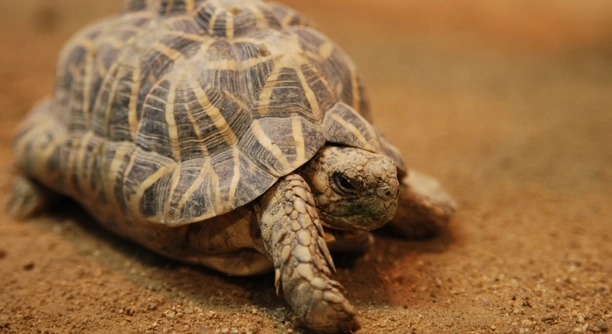
Is your Indian Star Tortoise always sleeping, leaving you wondering if it’s a cause for concern? Tortoises are known for their calm nature, but understanding their behavior is key to ensuring they stay healthy and active.
The primary reason for an Indian Star Tortoise’s excessive sleep could be temperature-related stress or inadequate lighting. Proper habitat conditions, including temperature, humidity, and UVB lighting, are essential to maintain their activity levels and overall health.
Adjusting their environment can significantly improve your tortoise’s well-being. Maintaining proper conditions will help prevent lethargy and ensure your pet thrives.
Temperature and Lighting Impact on Your Tortoise
Your Indian Star Tortoise is sensitive to its environment, and changes in temperature or lighting can make a big difference in how active it is. If your tortoise’s habitat is too cold, it will likely sleep more to conserve energy. Tortoises require a basking area that is around 90°F, while the cooler side of the enclosure should be around 75°F. Without proper lighting, including UVB light to mimic sunlight, they can become lethargic. These environmental factors play a crucial role in maintaining your tortoise’s health and energy levels. If you notice your tortoise sleeping excessively, the first step is to check whether the enclosure’s temperature and lighting meet its needs.
Make sure to use a thermometer and UVB lightbulb to create the right environment. If the conditions aren’t correct, your tortoise may not have the energy to stay active and alert.
Adjusting these factors can make a big difference in how your tortoise behaves. Consistency with temperature and light levels helps regulate their natural rhythms, making sure they stay active during the day and rest properly at night. Ensure that your tortoise’s environment is in line with its natural habitat, and it will likely return to its normal, lively self.
Diet and Hydration Influence Behavior
Inadequate diet and hydration can contribute to lethargy in tortoises. Ensure your tortoise is eating a balanced diet, including leafy greens, and has access to fresh water at all times.
Tortoises often sleep more when their diet lacks essential nutrients. They rely on a high-fiber, calcium-rich diet for proper digestion and overall health.
Stress and Its Effects on Your Tortoise
Stress can cause a tortoise to sleep more than usual. This may happen due to factors like noise, handling, or changes in its environment.
If your tortoise feels threatened or unsettled by its surroundings, it may retreat into its shell and sleep excessively. A noisy or overly busy environment can cause stress, so it’s important to provide a quiet, calm space for your pet. Also, avoid frequent handling that might cause discomfort or anxiety.
A stressed tortoise may also lose its appetite, further contributing to lethargy. Ensuring a stable and calm environment with minimal disruption will help your tortoise feel secure and reduce stress, encouraging normal activity and behavior.
Health Issues and Sleeping Patterns
Health problems could also be a reason for your tortoise’s extra sleep. Respiratory infections or parasites can lead to lethargy.
If your tortoise suddenly sleeps excessively without any change in its environment, it’s important to monitor for other signs of illness, such as nasal discharge or a lack of appetite. Respiratory infections are common in reptiles, especially when they are kept in damp or cool conditions. If you notice any concerning symptoms, consult a vet for a thorough checkup.
Seasonal Changes and Tortoise Behavior
Seasonal changes can influence how much your tortoise sleeps. During colder months, they may enter a state of dormancy or brumation.
As the temperature drops, tortoises tend to reduce their activity levels and rest more to conserve energy. Brumation is a natural process similar to hibernation, where the tortoise’s metabolism slows down. It’s essential to monitor your pet’s behavior to ensure it’s not due to an underlying issue.
Creating the Ideal Habitat for Your Tortoise
Creating the right habitat can prevent excessive sleeping and ensure your tortoise remains active. Start by adjusting temperature and lighting to mimic natural conditions.
Provide a basking area with a heat source, such as a UVB light, to encourage your tortoise to come out and be more active. Proper humidity and substrate are also important to help your tortoise stay healthy. Regularly check and maintain your tortoise’s habitat to keep it comfortable and stimulating.
Observing Your Tortoise’s Behavior
Regularly observing your tortoise can help identify if there are changes in its behavior or habits. Look for patterns of excessive sleeping or any signs of illness.
If your tortoise shows any unusual behavior or you suspect something isn’t right, it’s always best to consult with a vet for guidance.
FAQ
Why is my Indian Star Tortoise always sleeping?
Excessive sleeping in an Indian Star Tortoise is often a sign of environmental issues, such as improper temperature or lighting. Tortoises need a basking area of around 90°F and a cooler side at about 75°F to stay active. Inadequate UVB lighting can also cause lethargy, as they need it for proper metabolism and vitamin D synthesis. If these conditions aren’t met, your tortoise may sleep more than usual to conserve energy. Check the habitat’s conditions first, as they play a significant role in maintaining your tortoise’s natural behavior.
What temperature should my Indian Star Tortoise’s enclosure be?
Your tortoise needs a gradient in its enclosure, with a basking area heated to around 90°F and a cooler side at approximately 75°F. It’s essential to keep the temperature stable, especially in colder months. Use a reliable thermometer to monitor the temperature throughout the day and night to ensure it remains within the recommended range. If the enclosure is too cold, your tortoise may become lethargic and sleep more often.
Does my tortoise need UVB light?
Yes, UVB light is crucial for your tortoise’s health. Without it, they cannot properly metabolize calcium, which could lead to serious health issues like metabolic bone disease. UVB light helps your tortoise produce vitamin D3, essential for absorbing calcium. Ensure your tortoise’s enclosure has a UVB bulb specifically designed for reptiles, and replace it regularly to maintain proper light levels.
How do I know if my tortoise is sick?
A sick tortoise will show several signs, such as excessive sleepiness, lack of appetite, nasal discharge, labored breathing, or abnormal behavior. If your tortoise is sleeping more than usual and shows other symptoms like not eating or drinking, it might have an underlying health issue. Any abnormal behavior should be addressed by a veterinarian, who can help diagnose and treat the problem. Don’t wait too long to seek professional help if you notice concerning symptoms.
Is it normal for my tortoise to sleep during the winter?
Yes, it is natural for tortoises, including the Indian Star Tortoise, to reduce their activity levels during colder months. This behavior is called brumation, similar to hibernation. During this time, your tortoise will sleep more to conserve energy. However, it’s important to ensure that the temperature inside the enclosure stays within a comfortable range for your tortoise. If it becomes too cold, your tortoise could experience stress or health issues. Make sure the enclosure is still appropriately heated, even during the winter.
Can my tortoise be too hot?
Yes, tortoises can suffer from heat stress if their environment gets too hot. The basking area should not exceed 95°F, as temperatures above this can lead to dehydration or overheating. If the overall enclosure is too warm, it can also disrupt their sleep and feeding patterns. Make sure to monitor the temperature and provide a cooler area for your tortoise to retreat to if it gets too hot.
How long should my tortoise sleep during the day?
An Indian Star Tortoise typically sleeps for 12-14 hours a day, but the exact duration can vary based on age, temperature, and overall health. Young tortoises may sleep more than adults, but if your tortoise is sleeping excessively, it could be a sign of an issue. Always check the environmental conditions and monitor any other behavioral changes that might indicate health concerns.
Why is my tortoise eating less and sleeping more?
If your tortoise is eating less and sleeping more, it could be due to stress, illness, or environmental problems. Stress can be caused by a noisy environment or frequent handling, while illness may cause a lack of appetite and increased lethargy. Temperature and lighting issues can also reduce your tortoise’s desire to eat. First, check the habitat’s conditions and then observe for other signs of illness. If these changes persist, visit a veterinarian for advice.
How can I encourage my tortoise to be more active?
To help your tortoise stay active, ensure it has a proper habitat with correct temperature, lighting, and space to roam. Avoid keeping the tortoise in small enclosures, as lack of space can cause lethargy. Provide a varied diet of leafy greens, and add different textures to the substrate to create a more stimulating environment. You can also try gently encouraging movement by placing food at different points within the enclosure.
Should I be concerned if my tortoise is not eating?
If your tortoise stops eating for more than a day or two, it could be a sign of health issues, environmental stress, or temperature problems. If the temperature and lighting are correct and your tortoise is still not eating, it’s important to consult a vet to rule out any underlying conditions. Dehydration or an improper diet can also cause your tortoise to lose interest in food, so ensure you’re offering the right nutrients.
How often should I clean my tortoise’s enclosure?
It’s essential to keep your tortoise’s enclosure clean to avoid bacteria and disease. Spot clean daily by removing uneaten food and waste. Perform a more thorough cleaning every two to three weeks, changing the substrate and wiping down surfaces. A clean environment will help your tortoise remain healthy and active.
Can my tortoise sleep in its water dish?
While it’s not common for tortoises to sleep in their water dish, it could happen if the temperature is too high or if the tortoise feels stressed. Ensure that the water dish is appropriately sized and placed in a cool section of the enclosure. Tortoises need access to water, but they should not sleep in it. If this happens, assess the environment for possible temperature or stress-related issues.
Final Thoughts
It’s natural for an Indian Star Tortoise to sleep more under certain conditions, like changes in temperature, lighting, or even diet. Understanding these factors can help you ensure that your tortoise remains healthy and comfortable. A well-maintained environment with appropriate temperatures and lighting is crucial for preventing excessive sleep. While brumation during colder months is a normal behavior, it’s important to observe any changes in your tortoise’s behavior and address them promptly.
If you notice your tortoise sleeping more than usual and exhibiting other signs, such as loss of appetite or changes in movement, it’s vital to check for any environmental issues first. Improper temperatures or insufficient UVB lighting can affect your tortoise’s activity levels. These factors can also lead to health problems over time, making it important to create an ideal habitat for your pet. If you’ve ruled out habitat issues and your tortoise still shows signs of distress or unusual behavior, it’s time to consult with a vet for further evaluation.
Maintaining a balanced environment for your tortoise will allow it to thrive and stay active. Regular observation and ensuring it has everything it needs for a healthy lifestyle, such as proper heating, lighting, and space, will keep your tortoise’s sleep patterns in check. If you take the necessary steps to address any problems early on, you can avoid more serious issues down the road. The right care and attention will ensure your tortoise stays healthy and content for years to come.

Hello,
If you enjoy the content that we create, please consider saying a "Thank You!" by leaving a tip.
Every little bit helps us continue crafting quality advice that supports the health, happiness, and well-being of pets around the world, for pets of all shapes, sizes, and species.
We really appreciate the kindness and support that you show us!