
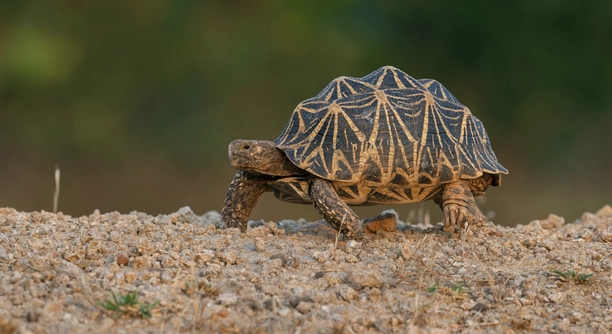
Indian Star Tortoises are unique creatures, and as a pet owner, you might notice them scratching their shells from time to time. This behavior can be concerning, but it’s often a natural part of their routine.
Scratching their shell can be a sign of shedding, irritation, or an attempt to mark territory. It may also indicate discomfort from environmental factors such as humidity, substrate, or poor shell health.
Understanding the reasons behind your tortoise’s behavior can help you ensure their comfort. Let’s explore possible causes and solutions that will help you keep your pet happy and healthy.
Reasons for Scratching: Shedding and Growth
One of the main reasons your Indian Star Tortoise may scratch its shell is due to shedding. Like many reptiles, tortoises shed their outer layer of skin and scutes (the hard outer shell plates) to allow for growth. Scratching is a way for them to loosen and remove these old layers. This process typically happens a few times a year, and scratching helps them with this natural change. If you notice your tortoise scratching frequently, it could simply be a sign that it’s time to shed its scutes.
During shedding, your tortoise may also rub against surfaces or scrape its shell. This behavior isn’t unusual, but if the scratching becomes excessive or the shell looks damaged, you may need to step in.
Proper humidity and temperature in their habitat can encourage healthy shedding. A dry environment or improper heat settings could lead to difficulties during the process, making it harder for your tortoise to shed comfortably.
Irritation or Discomfort
Your tortoise may also scratch if it’s experiencing skin irritation. If they feel discomfort from rough surfaces, it may lead them to scratch their shell. It could be a reaction to something like a sharp object in their enclosure or even the substrate used in their tank.
The cause of irritation could also come from the tortoise’s diet or stress. If your tortoise feels threatened or anxious, it may scratch as part of its instinct to protect itself or mark its territory. Ensuring that your tortoise has a comfortable and secure space can help reduce such behaviors.
If the scratching doesn’t stop or is accompanied by signs of injury or infection, such as redness or swelling, it’s important to consult a vet. Scratching may be a sign of an underlying health issue.
Shell Health Problems
Shell health issues could be another reason for scratching. If your tortoise’s shell is not in good condition, they may try to scratch at it in an attempt to ease discomfort. Cracks, soft spots, or infections could lead to this.
A common cause of shell problems is poor nutrition, which can weaken the shell over time. A diet lacking in calcium, vitamin D, or other essential nutrients can cause your tortoise’s shell to become soft or prone to damage. In such cases, the scratching could be a sign that your pet is struggling with its shell’s health.
To prevent shell problems, ensure your tortoise is getting a well-balanced diet. Providing access to proper UVB light is also critical, as it helps with calcium absorption. Regular checkups with a vet can help monitor shell health and detect any early signs of issues.
Environmental Factors
Your tortoise’s environment plays a significant role in its behavior, including scratching. The temperature and humidity in their enclosure can affect their comfort and health. If conditions are too dry or too humid, they may become uncomfortable and start scratching.
Maintaining the right temperature is important for digestion, movement, and overall well-being. Make sure there’s a warm area and a cooler area within the habitat to allow your tortoise to regulate its body temperature. If the environment feels off, your tortoise may express it through behavior like scratching, trying to adjust to its discomfort.
Additionally, offering an environment that mimics the tortoise’s natural habitat can help minimize stress. Keep their enclosure clean, and make sure it has enough space and hiding spots to feel secure.
Stress and Anxiety
Stress can cause your tortoise to scratch at its shell. Changes in their environment, such as new surroundings, loud noises, or the presence of other pets, can lead to anxiety and increased scratching.
When tortoises feel stressed, they may try to cope by scratching their shells as a response to their discomfort. To avoid this, create a calm and quiet environment for your pet. Reducing factors that cause stress can help your tortoise feel safer and more comfortable.
Boredom
Boredom can also lead to shell scratching. If your tortoise doesn’t have enough stimulation or activities in its environment, it might start scratching out of frustration.
Providing new objects or opportunities for exploration can help prevent this behavior. You can offer different surfaces, toys, or hiding spots to keep your tortoise engaged. Regularly changing their environment can add variety, reducing boredom.
FAQ
Why is my tortoise scratching its shell all the time?
Scratching is a normal behavior for tortoises, especially when they are shedding or experiencing irritation. If your tortoise is scratching excessively, it could be due to environmental factors like humidity or temperature, or it might be related to a health issue, such as shell damage or a nutritional deficiency. Pay attention to the frequency and intensity of the scratching. If it seems excessive, consult a vet to rule out any serious problems.
What should I do if my tortoise scratches too much?
If your tortoise is scratching too much, first check its habitat. Ensure that the temperature and humidity levels are appropriate for its species. A tortoise that’s too warm or too cold may scratch due to discomfort. Also, check for any signs of injury or infection on the shell. If you notice any issues, a visit to the vet is recommended for a thorough check-up and proper treatment.
Can scratching be a sign of a shell infection?
Yes, scratching can sometimes be a sign of a shell infection, especially if it’s accompanied by swelling, discharge, or foul odor. Infections may occur due to injuries or poor shell health. If your tortoise’s shell looks damaged or shows signs of infection, it’s important to get it checked by a vet. They may recommend specific treatments, including antibiotics or special care to promote healing.
How can I prevent my tortoise from scratching its shell?
Prevention starts with creating the right environment for your tortoise. Maintain proper humidity and temperature levels, as these factors can affect your pet’s health. Make sure the substrate is safe and comfortable for your tortoise to walk on. Providing a well-balanced diet with the necessary nutrients will also help avoid health issues that could lead to scratching. Regularly check your tortoise’s shell for signs of damage or disease.
Could my tortoise be scratching because of boredom?
Yes, tortoises, like other pets, can scratch out of boredom if they’re not getting enough stimulation. If your tortoise is confined to a small area without much to explore, it might scratch as a way to pass the time. Make sure their habitat has plenty of space, climbing opportunities, and objects to explore. Changing up the environment periodically can also help keep your tortoise engaged.
Is it normal for a tortoise to scratch after a meal?
It can be normal for a tortoise to scratch after eating. Some tortoises will rub their face or body against surfaces, including their shell, as a way of cleaning themselves after eating. However, if your tortoise scratches excessively or appears distressed after eating, it might be a sign of a digestive issue or discomfort. Check the type of food you’re offering to ensure it’s suitable for your tortoise’s species.
Can stress cause my tortoise to scratch its shell?
Yes, stress can cause scratching in tortoises. If your tortoise feels threatened or uneasy, it may scratch its shell as a way to cope. Changes in its environment, such as moving to a new place, loud noises, or the presence of unfamiliar animals, can trigger stress. Ensuring a calm, secure, and predictable environment will help reduce stress and prevent excessive scratching.
How can I tell if my tortoise is scratching due to an injury?
If your tortoise is scratching at a specific area of its shell and you notice swelling, discoloration, or cracks, it could be an indication of injury. Check the shell closely for any physical damage or signs of infection, such as pus or foul odors. If you suspect injury, consult a vet immediately to avoid further complications.
Should I use ointments or creams if my tortoise’s shell is scratched?
It’s best not to use ointments or creams on your tortoise’s shell without consulting a vet first. Some topical treatments can be harmful or cause further irritation to the shell. If your tortoise has visible scratches or injuries, it’s important to get professional advice before applying any product.
How often should I clean my tortoise’s shell?
Cleaning your tortoise’s shell should be done regularly, but not excessively. A gentle rinse with lukewarm water will help remove debris, dirt, or food particles. Avoid using harsh soaps or chemicals that could irritate the shell. Cleaning should be done about once a week, but if your tortoise gets particularly dirty, more frequent cleaning may be needed. Regular cleaning helps maintain shell health and can prevent infections caused by buildup of bacteria.
Final Thoughts
Scratching is a normal behavior for Indian Star Tortoises, but if it becomes excessive or seems unusual, it’s important to observe your pet closely. While some scratching is part of their natural shedding process, there could be other underlying reasons such as shell health issues, environmental discomfort, or even stress. Understanding these factors can help you determine if your tortoise is simply going through a normal phase or if there’s something more serious to address.
It’s essential to create a comfortable environment for your tortoise. Proper temperature, humidity, and a clean enclosure will go a long way in ensuring that your tortoise stays healthy and content. Keep an eye on the condition of its shell, as signs of damage, infection, or poor nutrition can cause discomfort, leading to more frequent scratching. If you notice anything concerning, such as swelling, redness, or soft spots on the shell, it’s a good idea to visit a vet for a thorough check-up.
Lastly, while scratching is usually harmless, it’s important not to overlook the behavior if it seems out of the ordinary. If your tortoise is scratching excessively, appears stressed, or shows signs of injury or illness, take action. A healthy diet, proper care, and a calm environment are the best ways to prevent scratching caused by discomfort or health issues. With the right care, your tortoise can enjoy a long, happy life free from unnecessary scratching.

Hello,
If you enjoy the content that we create, please consider saying a "Thank You!" by leaving a tip.
Every little bit helps us continue crafting quality advice that supports the health, happiness, and well-being of pets around the world, for pets of all shapes, sizes, and species.
We really appreciate the kindness and support that you show us!