
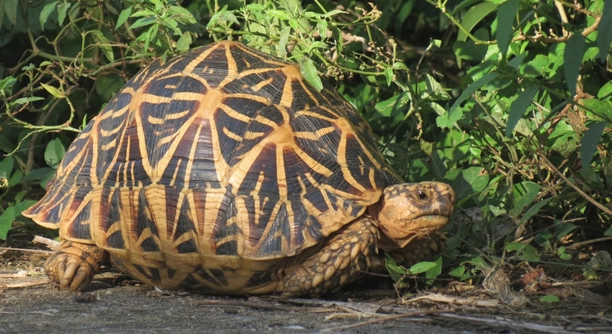
Indian Star Tortoises are known for their calm and gentle nature, but unusual behavior like scraping their legs on the ground can be concerning. Understanding the reasons behind this behavior can help ensure your tortoise’s well-being.
Scraping behavior in Indian Star Tortoises often results from environmental stress or discomfort. It may also indicate health issues such as irritation from their substrate or underlying injury. Consulting a veterinarian is recommended if the behavior persists.
There are multiple factors that may contribute to your tortoise’s scraping. Identifying the root cause is key to addressing the issue and ensuring proper care.
Possible Causes of Scraping Behavior
When an Indian Star Tortoise starts scraping its legs on the ground, it can be a sign of stress, discomfort, or even pain. One common cause could be the type of substrate in their enclosure. Rough surfaces, like gravel or sand, may irritate their skin, causing them to scrape to relieve discomfort. Another possibility is an issue with the humidity levels in the enclosure. If the air is too dry, it can lead to dry, irritated skin, which may prompt the tortoise to try to scratch it off. Additionally, if the enclosure is too small, the tortoise may feel restricted, which could also result in unusual behaviors like scraping.
Sometimes, these behaviors can be a result of underlying medical issues. A common concern is a shell infection or injury, which can cause discomfort and make a tortoise act out of character. It’s important to observe for other signs of health problems, such as swelling, discoloration, or visible wounds. If you notice anything abnormal, it’s best to take your tortoise to a reptile vet.
Regularly checking the conditions of your tortoise’s habitat and ensuring it is safe and comfortable can help prevent these behaviors.
The Importance of Habitat Conditions
Maintaining proper habitat conditions is essential for the well-being of an Indian Star Tortoise. They require an environment with proper humidity levels and a substrate that supports their natural behaviors without causing harm.
The temperature within their enclosure should also be controlled carefully. Tortoises are cold-blooded, so if the temperature fluctuates too much, it can cause stress and result in unusual actions like scraping. Offering a warm, dry space along with a cooler area allows them to regulate their body temperature. Be sure to monitor the temperature and humidity regularly to ensure these factors do not contribute to stress.
Having the right setup helps your tortoise feel secure, minimizing the chance of odd behaviors.
Potential Medical Issues
Scraping behavior could also be due to a medical issue. If your tortoise has an injury or infection, it may try to rub or scrape the affected area. Shell infections, for instance, are painful and could lead to discomfort. Symptoms like swelling, unusual spots, or foul odors should not be ignored.
Tortoises may also develop other health problems such as arthritis, especially as they age. Arthritis can cause joint pain, which might lead to the scraping of legs as a way to alleviate pressure. If you suspect this, a vet can provide pain management options to improve your tortoise’s quality of life.
A thorough examination from a reptile vet can rule out any serious health concerns. It’s better to address these issues sooner than later, as untreated injuries or infections can worsen over time, leading to long-term health problems for your tortoise.
Stress and Anxiety
Stress is another common reason for scraping behavior. If your tortoise feels threatened or anxious, it may start scraping its legs. Changes in their environment, such as new animals or even a shift in furniture, can trigger these reactions. It’s important to provide them with a consistent, familiar environment.
One major source of stress is overcrowding. If your tortoise shares its enclosure with another animal, they may not feel comfortable, especially if there’s competition for space or resources. Inadequate hiding spots or the presence of overly dominant species can increase anxiety.
When your tortoise feels safe and secure in a space that meets its needs, stress will often reduce. Ensure the habitat is large enough and designed to encourage natural behaviors. Making the environment peaceful can help to calm their nerves and prevent unwanted behaviors like scraping.
Improper Diet
A poor diet can contribute to scraping behavior. If your tortoise isn’t getting the proper nutrients, it may feel weak or uncomfortable, leading to strange behaviors like leg scraping. A diet lacking calcium or other vital vitamins may also affect their overall health.
To prevent this, offer a balanced diet that includes a variety of greens, fruits, and occasional protein. Ensure they have access to calcium supplements, such as cuttlebone or powdered calcium, to support shell and bone health. Feeding your tortoise properly helps them maintain strength and comfort.
A proper diet promotes overall well-being, helping prevent stress-related or discomfort-driven behavior.
Substrate Choices
The substrate in your tortoise’s enclosure plays a significant role in its comfort. If the substrate is too rough or abrasive, it can cause irritation to your tortoise’s legs, leading to scraping. Consider switching to a softer, more natural material.
Safe options include coconut coir, organic soil, or grass hay. These materials are gentle on your tortoise’s skin and mimic their natural environment. Avoid using sand or gravel, as they can cause harm if ingested or cause skin irritation.
Choosing the right substrate prevents discomfort, allowing your tortoise to feel more secure and less likely to scrape its legs.
Checking for Injuries
If the scraping continues despite a well-maintained environment, it’s essential to check for injuries. Tortoises can sustain minor wounds or abrasions, often unnoticed. Scraping may be their attempt to relieve the discomfort caused by these injuries.
Inspect the legs, shell, and underside for signs of injury. Look for swelling, bruising, or broken skin. If any of these signs are present, treat the injury carefully and consult a vet. Small injuries can become serious if left untreated.
Ensuring your tortoise is injury-free helps prevent further distress and abnormal behaviors like scraping.
FAQ
Why is my Indian Star Tortoise scraping its legs?
Scraping behavior can be a sign of discomfort, stress, or health issues. It may indicate that the tortoise is trying to relieve irritation caused by rough substrate, dry skin, or injuries. Additionally, environmental factors like overcrowding or changes in their habitat could trigger anxiety, leading to scraping. Monitoring their surroundings and health can help address the root cause.
How can I stop my tortoise from scraping its legs?
To stop this behavior, start by assessing your tortoise’s habitat. Ensure the substrate is soft and natural, such as coconut coir or organic soil. Check for any signs of injury or infection, and make necessary adjustments to their environment to reduce stress. Providing a well-balanced diet with calcium supplements and ensuring proper humidity levels will also help.
Can scraping be a sign of injury?
Yes, scraping can indicate an injury. If your tortoise has a wound or irritation on its legs or shell, it may scrape its legs to relieve the discomfort. Inspecting the tortoise for swelling, bruising, or any signs of injury is crucial in determining whether an injury is the cause of the scraping behavior. If any injuries are found, treat them promptly and consult a vet if needed.
What kind of diet should I give my Indian Star Tortoise?
An Indian Star Tortoise requires a diet high in fiber and calcium. Offer a variety of leafy greens like dandelion, collard greens, and turnip greens, along with some fruits like strawberries or melon. Occasional protein, such as small amounts of boiled egg or earthworms, can be included. Ensure they have access to cuttlebone or calcium powder to maintain healthy shell and bone growth.
Does my tortoise need UVB lighting?
Yes, UVB lighting is essential for your tortoise. UVB rays help them synthesize vitamin D3, which is needed for calcium absorption and overall health. Without UVB lighting, your tortoise can develop metabolic bone disease, causing weak bones and shells. Ensure you have a proper UVB light fixture in their enclosure, and replace the bulb regularly.
Is my tortoise stressed?
Signs of stress in tortoises include excessive scraping, lethargy, hiding, or changes in eating habits. Stress can result from overcrowding, sudden changes in their environment, loud noises, or a lack of proper hiding spots. Reducing stress factors by providing a consistent, quiet environment and ensuring the enclosure is spacious enough will help your tortoise feel secure.
How often should I clean my tortoise’s enclosure?
Cleaning your tortoise’s enclosure is essential for maintaining a healthy environment. You should remove waste daily to prevent bacteria growth. Thoroughly clean the enclosure with non-toxic cleaning solutions every 1-2 weeks, depending on the size of the habitat. Be sure to disinfect their water bowl and any areas where food is placed.
What should I do if my tortoise’s legs are swollen?
Swelling in a tortoise’s legs could be a sign of an infection, injury, or fluid retention. If you notice swelling, carefully inspect the area for signs of cuts, scratches, or abnormal growths. If the swelling doesn’t go away or gets worse, it’s best to consult a vet to diagnose the issue and recommend appropriate treatment.
Can temperature affect my tortoise’s behavior?
Yes, temperature plays a significant role in your tortoise’s behavior. If the enclosure is too hot or too cold, it can cause stress or discomfort, which might lead to scraping or other unusual behaviors. Tortoises need a temperature gradient in their enclosure, with a warm area for basking and a cooler area to retreat to. Maintaining the correct temperature range is crucial for their health.
Why does my tortoise seem so lethargic?
Lethargy in tortoises can be caused by several factors, including improper temperature, insufficient lighting, dehydration, or a poor diet. If your tortoise is not eating, is overly tired, or shows signs of weakness, it may be time to check their environment. Ensure the enclosure is set up correctly with proper temperature, humidity, and lighting. Also, make sure they are getting the right nutrition.
Can I keep two tortoises together?
While some tortoises can be kept together, it’s important to consider their individual needs and personalities. Indian Star Tortoises are solitary animals by nature, and overcrowding can lead to stress and aggression. If you do decide to house multiple tortoises together, make sure the enclosure is large enough to provide space for each one to have its own territory. Monitor them for signs of aggression or stress and separate them if needed.
How can I tell if my tortoise is in pain?
Tortoises may not show pain in the same way that other animals do, but signs of discomfort include changes in behavior, like scraping, lethargy, or refusal to eat. They may also withdraw into their shells more often or show signs of physical injury, such as swelling or redness. Regular check-ups with a vet can help ensure your tortoise is free from pain and discomfort.
How do I know if my tortoise has a shell infection?
Shell infections can be indicated by signs such as swelling, soft spots, or unusual discoloration. If your tortoise’s shell appears damaged, smells foul, or seems unusually soft or cracked, it’s important to seek veterinary attention. Shell infections can worsen over time if left untreated, so it’s best to consult a vet for proper treatment.
Can I use sand as a substrate for my tortoise?
Sand is generally not recommended as a substrate for Indian Star Tortoises. While it may seem like a natural option, it can cause irritation to their skin and digestive issues if ingested. Sand can also retain moisture, leading to improper humidity levels and possible respiratory problems. Opt for softer substrates like coconut coir or organic soil instead.
Final Thoughts
When it comes to understanding why your Indian Star Tortoise is scraping its legs, several factors could be at play. This behavior may be linked to stress, discomfort, or health issues. Whether it’s caused by environmental factors like rough substrate or a sign of physical injury, identifying the root cause is essential for your tortoise’s well-being. Taking the time to assess their habitat, diet, and overall health can help you pinpoint the issue and address it promptly. Ensuring your tortoise has a calm, comfortable environment with the right temperature, lighting, and humidity will go a long way in preventing unnecessary stress and discomfort.
Regular monitoring of your tortoise’s behavior and surroundings is key to maintaining their health. If scraping or other unusual behaviors persist, it may be time to consult a vet. Early intervention is important, as health issues, if left unchecked, can lead to more serious problems. Your tortoise’s behavior is often a reflection of its environment and physical state, so keeping an eye on both can help you prevent many common issues. Keep in mind that while scraping can sometimes be a normal behavior, it can also be a sign that something needs attention.
Ultimately, a well-balanced diet, a clean and spacious enclosure, and a stress-free environment are essential for your tortoise’s long-term health and happiness. By providing the proper care, you can ensure your Indian Star Tortoise lives a healthy, comfortable life. Observing your tortoise closely and making adjustments as needed will allow you to maintain a happy and healthy companion. As with any pet, attention to detail in their care and environment is the best way to avoid health problems and encourage positive behaviors.

Hello,
If you enjoy the content that we create, please consider saying a "Thank You!" by leaving a tip.
Every little bit helps us continue crafting quality advice that supports the health, happiness, and well-being of pets around the world, for pets of all shapes, sizes, and species.
We really appreciate the kindness and support that you show us!