
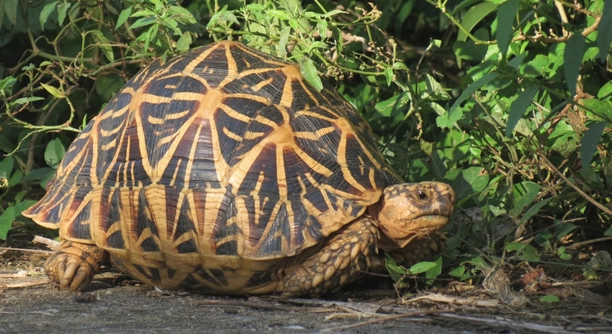
Indian star tortoises are known for their unique diet, primarily consisting of grasses, flowers, and leafy plants. Their eating habits play a significant role in their overall health and well-being. It’s essential to understand which plants they can safely consume.
Indian star tortoises can eat lemongrass in moderation. While lemongrass is not toxic to them, it should be offered as a supplementary food, not as a main component of their diet. Too much lemongrass could cause digestive issues.
Including lemongrass in their diet can be beneficial when done correctly. Understanding its nutritional content will help ensure your tortoise stays healthy and happy.
Can Lemongrass Benefit Indian Star Tortoises?
Lemongrass offers several benefits to Indian star tortoises when given in moderation. It contains vitamins and minerals that are good for your tortoise’s overall health, including vitamin A, vitamin C, and fiber. These nutrients can support digestion and help maintain a balanced diet. However, it’s important not to overfeed them. Too much lemongrass can upset their stomach or cause diarrhea. A small amount, once or twice a week, should be enough to provide the nutritional benefits without overwhelming their system. Ensuring a variety of plants in their diet is essential for their health.
While lemongrass has some health benefits, it’s important to remember that it should not be the main food source. Your tortoise’s diet should consist mostly of grasses, leaves, and other greens to mimic their natural diet. Lemongrass should be treated as an occasional treat.
Offering a variety of plants ensures your tortoise gets a well-rounded diet, including the necessary nutrients for proper growth and immune function. Along with grasses, you can occasionally include flowers, edible weeds, and some fruits. Avoid giving too many fruits as their sugar content can be too high for tortoises. Balance is key for their health, so make sure to switch things up while keeping their food intake diverse and nutritious.
Nutritional Value of Lemongrass for Tortoises
Lemongrass has a high water content and is low in calories, making it a hydrating food for your tortoise. However, it is not as nutrient-dense as other plants, so it should not replace essential food sources. It is a good source of fiber, which supports digestion and helps maintain a healthy gut. Additionally, it contains trace amounts of calcium and magnesium, minerals that are crucial for shell and bone health. While lemongrass can be beneficial, it should be balanced with other food items to ensure your tortoise gets all the nutrients it needs.
Feeding your tortoise lemongrass can support its hydration and digestive health, but always make sure to offer it in conjunction with other safe, nutritious plants. Avoid making it the primary food source for your tortoise.
Risks of Overfeeding Lemongrass to Indian Star Tortoises
Feeding too much lemongrass can cause digestive issues in Indian star tortoises. They might experience diarrhea or stomach discomfort, which can lead to dehydration. This is why it’s crucial to monitor the amount given and avoid making lemongrass a regular part of their diet.
Overfeeding can also lead to an imbalance in their diet, which could impact their health. Tortoises rely on a variety of plants for essential nutrients. Consistently feeding them too much of one plant, even one like lemongrass, may result in deficiencies or excesses of certain nutrients. Keeping their diet diverse is key.
When offering lemongrass, make sure to do so in moderation. Only provide small amounts once or twice a week, and keep an eye on their health. If you notice any signs of digestive upset or changes in behavior, reconsider the frequency and amount of lemongrass being offered. Balanced feeding is essential.
How to Safely Include Lemongrass in Your Tortoise’s Diet
Lemongrass can be safely added to your tortoise’s diet by cutting it into small, manageable pieces. This makes it easier for them to chew and digest. Be sure to wash the lemongrass thoroughly to remove any pesticides or chemicals that may be harmful to your tortoise. Organic lemongrass is a better choice if available.
Avoid feeding lemongrass as a daily snack. Instead, incorporate it once or twice a week as a supplement to their usual greens. This provides variety without overloading them with one type of food. It’s essential to combine lemongrass with other plants that offer necessary vitamins and minerals, such as dandelion greens, collard greens, and clover.
Keeping the amount of lemongrass small and infrequent will help your tortoise enjoy its benefits while preventing any health issues. Always ensure the overall diet remains balanced to promote healthy growth and a strong immune system.
Nutritional Breakdown of Lemongrass
Lemongrass contains a variety of nutrients that can benefit Indian star tortoises. It offers a good amount of fiber, which aids digestion. Additionally, it provides small amounts of vitamins and minerals, including vitamin A and vitamin C. These nutrients support overall health and immune function.
While lemongrass does provide some nutrients, it is not as rich as other greens that should make up the majority of a tortoise’s diet. It can be considered a supplementary food, helping to add some variety to their meals. A balanced diet of various greens and plants is still essential.
Other Suitable Foods for Indian Star Tortoises
In addition to lemongrass, Indian star tortoises should be offered a wide range of other plant-based foods. Grasses, dandelions, clover, and hibiscus flowers are great choices. These plants provide the necessary vitamins, minerals, and fiber required to keep them healthy. Always ensure that the plants are safe for consumption.
Avoid feeding them processed or high-sugar foods, as these can upset their digestive systems. It’s best to stick with fresh, organic, and pesticide-free plants for a balanced, natural diet. Consistent variety ensures your tortoise gets a full range of nutrients.
When to Avoid Lemongrass for Tortoises
It’s best to avoid offering lemongrass to your tortoise if they have any known digestive issues or if they’re not responding well to it. In these cases, it’s safer to stick with more suitable, gentle plant-based foods. Regular monitoring of their health is essential.
FAQ
Can Indian star tortoises eat lemongrass every day?
Indian star tortoises should not eat lemongrass every day. While lemongrass is safe in small amounts, it should be given as an occasional treat, not a regular part of their diet. A few times a week is more appropriate to ensure they receive a balanced intake of nutrients. Overfeeding lemongrass can lead to digestive issues, so it’s important to monitor their health closely when introducing any new foods.
What should I do if my tortoise eats too much lemongrass?
If your tortoise eats too much lemongrass, monitor them for any signs of digestive upset, such as diarrhea or lack of appetite. Remove the lemongrass from their diet immediately, and offer more suitable plants like grasses or leafy greens. Keep an eye on their behavior for a few days to ensure they recover. If any serious symptoms appear, contact a veterinarian experienced with reptiles for advice.
Can lemongrass help with hydration for tortoises?
Yes, lemongrass can help with hydration due to its high water content. Providing plants with high moisture content like lemongrass can be a good supplement for tortoises that need extra hydration. However, it should not replace water. Always ensure your tortoise has access to fresh water in addition to plant-based foods.
Is lemongrass toxic to Indian star tortoises?
No, lemongrass is not toxic to Indian star tortoises. It’s safe for them to eat in moderation. However, like any new food, it should be introduced carefully. Some tortoises may have sensitivities to certain plants, so watch for any unusual behavior or signs of discomfort after feeding them lemongrass.
Can I feed my tortoise lemongrass from my garden?
If you grow lemongrass in your garden, you can feed it to your tortoise, but make sure it hasn’t been treated with any pesticides or chemicals. Always wash it thoroughly before offering it to your tortoise. Organic lemongrass is the best option to ensure it is free from harmful substances.
How much lemongrass should I feed my tortoise?
A small amount of lemongrass, about a teaspoon or two, is enough for an Indian star tortoise. This can be given once or twice a week, depending on your tortoise’s overall diet and health. Moderation is key to prevent digestive issues, so avoid overfeeding them any one type of food.
Can lemongrass improve my tortoise’s shell health?
While lemongrass does contain some nutrients that support general health, such as vitamin A, it is not specifically a superfood for shell health. A well-rounded diet rich in calcium and other essential nutrients is more important for maintaining a strong and healthy shell. Foods like dandelions, collard greens, and other leafy plants are better options for promoting strong shell growth.
Is lemongrass good for a tortoise with digestive problems?
Lemongrass may help with digestion due to its fiber content, but it should be used carefully if your tortoise already has digestive problems. For tortoises with a sensitive stomach or existing digestive issues, it may be better to avoid lemongrass altogether and opt for gentler foods like soft leafy greens. Always consult with a vet if you have concerns about your tortoise’s digestion.
Can lemongrass cause diarrhea in tortoises?
Yes, lemongrass can cause diarrhea in tortoises, especially if they eat too much of it. Its high water content, combined with its fibrous texture, can upset the digestive system if consumed in large amounts. To prevent diarrhea, always feed lemongrass in moderation and monitor your tortoise’s health.
How can I introduce lemongrass to my tortoise’s diet?
Introduce lemongrass slowly by offering small, chopped pieces. This allows you to see how your tortoise reacts to it without overwhelming their system. If they seem to enjoy it and don’t experience any digestive problems, you can continue offering small amounts on a regular basis. Always provide a variety of other foods as well to maintain balance in their diet.
What other plants can I feed my Indian star tortoise?
Indian star tortoises thrive on a diet of grass, weeds, and leafy greens. Dandelion greens, clover, and hibiscus flowers are excellent choices. You can also feed them safe, non-toxic plants such as cactus pads, mulberry leaves, and certain flowers like pansies. Always make sure the plants are pesticide-free.
Can I feed my tortoise lemongrass along with other herbs?
Yes, you can feed lemongrass along with other herbs, but it should still be in moderation. Herbs like basil, thyme, and oregano can be safe and healthy additions to their diet. However, avoid overloading their meals with too many herbs, as this could upset their stomach. Keep variety in their diet to provide a broader range of nutrients.
Is lemongrass suitable for baby tortoises?
Lemongrass is generally safe for baby tortoises, but it should only be given in very small amounts. Baby tortoises have more sensitive digestive systems, so introducing new foods must be done carefully. It’s important to provide a diet that is primarily composed of more nutritious, easily digestible foods to support healthy growth.
Can lemongrass improve my tortoise’s immune system?
Lemongrass contains small amounts of vitamin C, which can support your tortoise’s immune system, but it should not be relied upon as the primary source. A well-balanced diet that includes a variety of greens and other nutrient-rich plants will more effectively boost your tortoise’s immune function.
How often should I feed my tortoise lemongrass?
Lemongrass should be fed once or twice a week in small quantities. It should not be a daily food. Overfeeding lemongrass can lead to digestive problems, so limiting its inclusion in their diet is important. Always ensure your tortoise has a variety of other plants to meet their nutritional needs.
What are the benefits of feeding lemongrass to tortoises?
Lemongrass offers some benefits, including supporting hydration due to its high water content and providing a small amount of fiber for digestion. It also contains some vitamins and minerals that contribute to overall health. However, it should be used as a supplement, not a staple of their diet.
Should I remove lemongrass from my tortoise’s diet if they show no interest?
If your tortoise shows no interest in lemongrass, there’s no need to force it. Not all tortoises like the same foods, and they will gravitate toward the plants they enjoy and that make them feel good. Try offering other suitable greens or flowers instead. It’s important that your tortoise’s diet is balanced and includes a variety of plants they enjoy.
Final Thoughts
Feeding your Indian star tortoise lemongrass can be a beneficial addition to their diet when done in moderation. It provides some hydration, fiber, and essential vitamins, which contribute to their overall well-being. However, it is important to remember that lemongrass should not make up a large part of their diet. A balanced diet, rich in other safe greens, grasses, and leafy plants, is key to maintaining your tortoise’s health. If given as an occasional treat, lemongrass can support hydration and add some variety to their meals without causing harm.
While lemongrass is not toxic to tortoises, it can cause digestive issues if consumed too frequently. The high water content and fibrous texture can sometimes lead to diarrhea, particularly if they eat too much. It’s always essential to monitor your tortoise’s health after introducing any new food. If you notice any changes in behavior, digestion, or appetite, it’s important to consult with a reptile veterinarian. Your tortoise’s diet should be tailored to their specific needs, and when you add new foods like lemongrass, it should be done gradually and in small amounts.
Ultimately, the key to keeping your Indian star tortoise healthy lies in offering a varied and balanced diet. While lemongrass can be a safe and refreshing option on occasion, there are many other plant-based foods that will better support their long-term health. Focus on providing a wide range of safe greens, weeds, and flowers. With careful attention to their diet and regular monitoring of their health, you can ensure that your tortoise lives a long, healthy, and happy life.

Hello,
If you enjoy the content that we create, please consider saying a "Thank You!" by leaving a tip.
Every little bit helps us continue crafting quality advice that supports the health, happiness, and well-being of pets around the world, for pets of all shapes, sizes, and species.
We really appreciate the kindness and support that you show us!